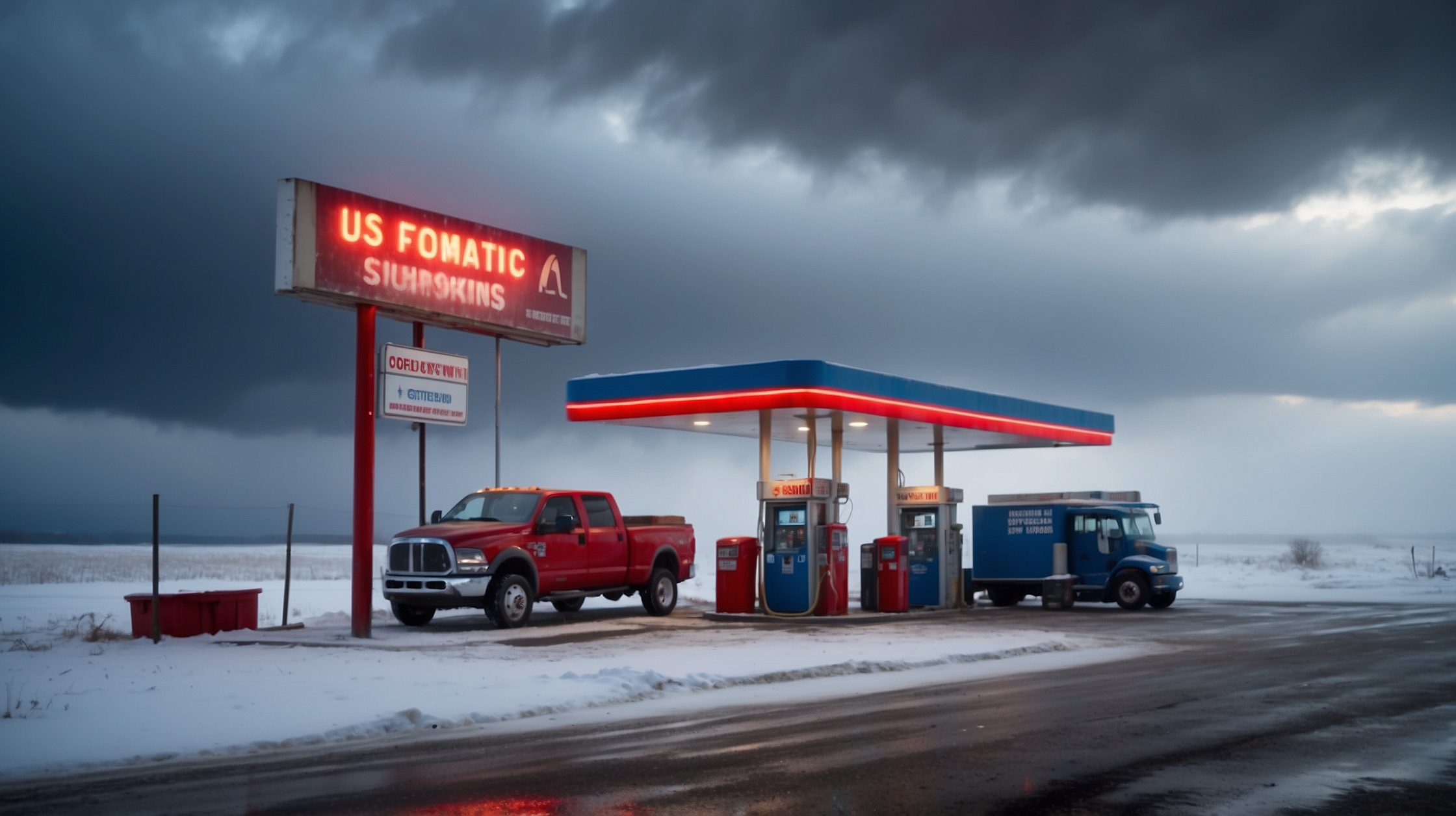
As bitter cold swept across the U.S., a powerful winter storm has sent shockwaves through the nation’s fuel supply, with gas and diesel prices jumping and regional shortages beginning to appear. From Texas to the Northeast, sub-zero temperatures disrupted refinery operations, snarled transportation logistics, and resulted in panic-buying at gas stations. The situation has left consumers and truckers alike closely watching the pumps — and their wallets.

This unexpected freeze pushed fuel supply chains to the brink. Some gas stations in affected regions have posted “out of fuel” signs, while others are limiting purchases. Analysts are sounding the alarm that if temperatures don’t rebound and supply routes remain clogged, prices could climb even higher. Notably, the storm hit just as crude oil prices were stabilizing, exacerbating its impact on the downstream market. The situation is particularly challenging in states highly dependent on consistent pipeline or truck deliveries.
Refineries in the Gulf Coast were among the hardest hit, with unexpected shutdowns that triggered a ripple effect across multiple states. Some plants saw freezing of pipes and valves, forcing emergency slowdowns or production halts. As fuel flows stalled, prices at the pump surged. According to the latest industry reports, the national average price of gas rose by nearly $0.15 in just a few days, and diesel saw even sharper spikes — crucial for the trucking sector and goods transportation.

U.S. Gas and Diesel Supply Disruption Overview
| Category | Details |
|---|---|
| Event | Severe winter storm sweeping across central and eastern U.S. |
| Key Impact | Surging gas and diesel prices; regional fuel shortages |
| States Most Affected | Texas, Arkansas, Tennessee, Kentucky, Ohio, Pennsylvania |
| National Gas Price Increase | Approx. $0.15 over 3 days |
| National Diesel Price Increase | Approx. $0.22 over 3 days |
| Causes | Refinery outages, frozen pipelines, logistics bottlenecks |
Which states are experiencing the most fuel stress
Texas, home to many U.S. refineries, was ironically one of the states hardest hit. With at least half a dozen major refining operations halting temporarily due to freeze-related mechanical damage, gasoline and diesel output dropped precipitously. This not only affected local availability but also reduced shipments to other states reliant on Texas fuel shipments.
In Tennessee and Kentucky, several fuel terminals reported thin inventories, prompting trucks to drive longer distances or wait for delayed resupply. Pennsylvania and parts of New York experienced late deliveries as well, primarily because icy road conditions slowed pipeline fueling operations and closed off certain major transit routes. The Midwest also saw price bumps, largely due to ripple effects in supply coming from the Gulf Coast region.

“We’re running two days behind on deliveries in some areas — and that’s if the roads are passable. Right now, we’re just trying to keep hospitals and emergency services topped off.”
— Logistics Director, Midwest Fuel Distributor

Why diesel shortages are even more critical
While gasoline shortages impact consumers, it’s diesel that keeps America’s supply chain running — and it’s facing a more severe crisis. The winter storm froze both diesel refining activity and regional distribution mechanisms. As a result, truckers are feeling the pinch, with delays on shipping lanes and independent drivers struggling to refuel along key transport corridors like I-40 and I-70.
Unlike gas, diesel has a complex supply chain with fewer storage reserves. A reduction in diesel production leads to cascading issues: delayed deliveries of goods, higher overall shipping costs, and more pressure on an already strained consumer goods economy. Heating oil, which shares refining sources with diesel, is also being rationed in some colder states.

“Diesel demand doesn’t slow during a storm — it spikes. But right now, we’re prioritizing emergency and agricultural distributions over commercial freight.”
— Spokesperson, National Petroleum Council
Winners and losers in the current gas price surge
| Winners | Losers |
|---|---|
| Energy traders capitalizing on price surges | Commuters facing higher prices at the pump |
| Alternative fuel providers and electric utilities | Truckers and logistics firms reliant on diesel |
| Oil refiners with unaffected production (especially on West Coast) | States with heavy reliance on Gulf Coast refineries |
| Suppliers with robust emergency inventory | Consumers in rural areas with limited gas stations |
What to expect if cold conditions linger
If cold temperatures persist or another winter storm strikes, fuel prices may rise further. The pressure on gasoline and diesel inventories is already evident, and additional shutdowns of regional refineries or pipeline restrictions could reduce supply even more forcefully. Drivers in affected states should continue to prepare for temporary shortages or long fueling lines.
However, if temperatures normalize within the next week, supply is expected to rebound relatively quickly. Many state fuel reserves are sufficient for short-term disruptions, and fuel logistics companies are working around-the-clock to reroute supplies and arrange emergency shipments from unaffected areas such as the West Coast and Gulf ports that remain operational.
“The next seven days are critical. If supply routes don’t stabilize, we could see diesel climb to near panic thresholds in the Northeast.”
— Energy Analyst, American Fuel Watch
How fuel companies and government agencies are responding
Major oil companies are already mobilizing emergency response teams to restore operations. In some states, governments have issued temporary waivers on trucking hours and fuel composition requirements to keep fuel moving despite harsh weather. Some state DOTs are prioritizing clearing highway routes used for fuel transport.
The Department of Energy is monitoring regional inventories and is prepared to release strategic reserves in case of prolonged disruption. Energy officials have also recommended that consumers avoid panic-buying, which only exacerbates the strain on local stations — a pattern seen in previous extreme weather events.
Is this a wake-up call for supply chain resiliency?
This winter disruption reveals vulnerabilities in the U.S. fuel supply system that may need attention. Dependence on centralized refinery hubs like the Gulf Coast poses a risk during natural disasters. Experts are calling for greater distribution diversity, reinforcement of fuel transportation infrastructure, and better emergency stocking standards — especially in high-risk weather zones.
“What we’re seeing is a warning: climate volatility is stress-testing every link in our chain — refineries, trucking, pipelines. It’s time to invest in infrastructure designed for extreme conditions.”
— Chief Engineer, U.S. Energy Resilience Institute
Short FAQs about the current fuel crisis
Why have gas prices increased so quickly this week?
Gas prices surged due to storm-related refinery shutdowns, frozen pipelines, and delivery delays, causing low supply and high demand simultaneously.
Which areas are seeing fuel shortages?
Texas, Arkansas, Tennessee, Kentucky, and parts of the Northeast are experiencing fuel shortages and supply delays at gas stations and terminals.
Are diesel shortages more serious than gas?
Yes, diesel is more critical for commercial and industrial transport, and has fewer storage reserves, making shortages more disruptive and impactful.
How long will this fuel disruption last?
Experts predict stabilization within 7-10 days if weather conditions improve, but longer if cold persists or infrastructure takes time to recover.
What can consumers do to prepare?
Avoid panic-buying, keep fuel tanks reasonably full, limit non-essential travel, and stay informed through local fuel availability reports.
Will the government release fuel from emergency reserves?
The Department of Energy is monitoring the situation and may intervene with fuel reserves if regional shortages become critically severe.
Are electric vehicle owners affected?
Electric vehicles are largely unaffected by fuel shortages, though electricity usage may surge, stressing local grids in extremely cold regions.
Are there any risks of long-term shortages?
If supply chains stabilize within the next two weeks, long-term shortages are unlikely. Strategic reserves and alternate supply routes help cushion impact.
About the Author