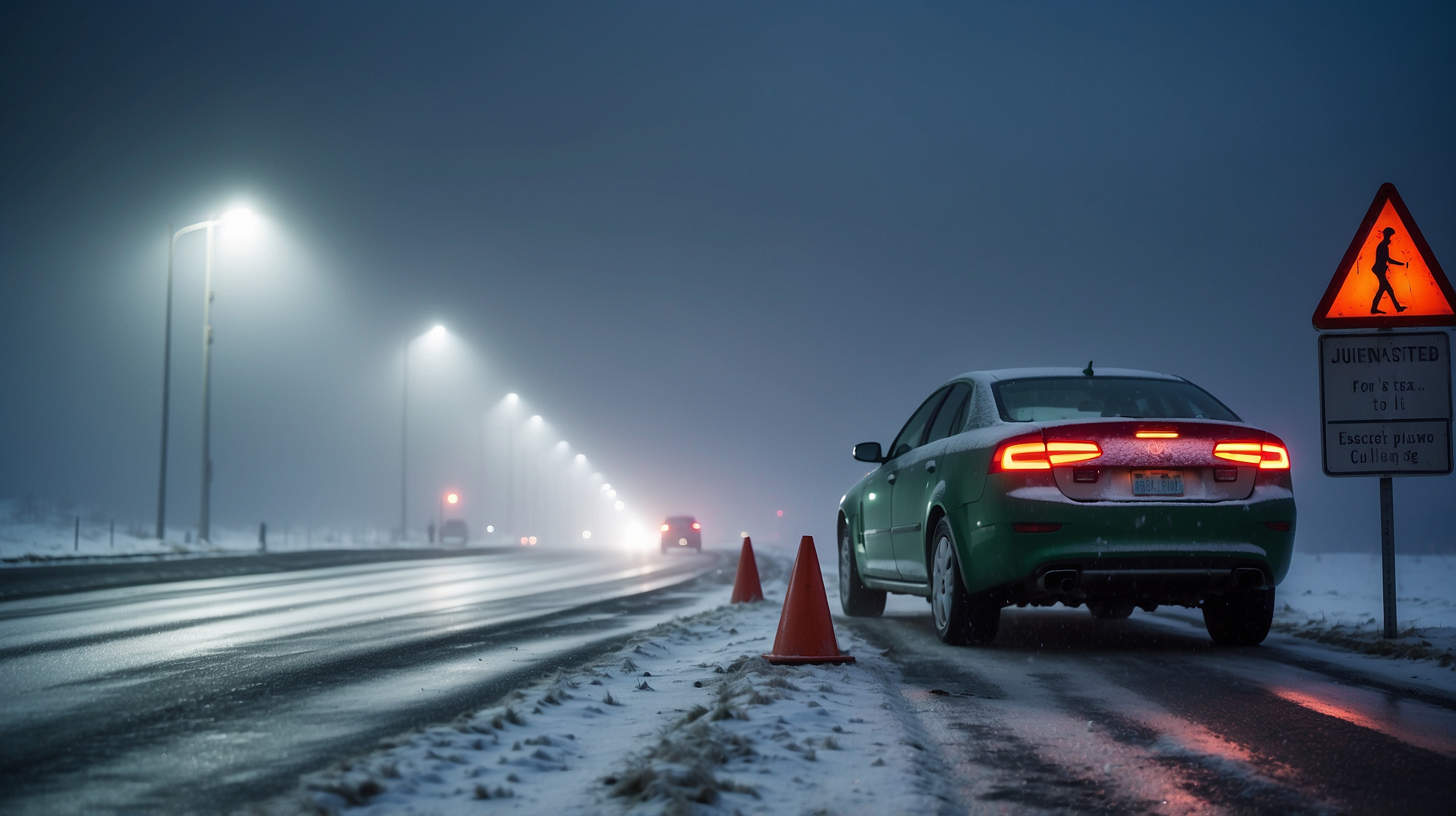

As winter storm season descends across the U.S., drivers face hazardous conditions that can turn routine travel into an emergency. Snowstorms, icy roads, and freezing temperatures significantly increase the risk of vehicle breakdowns, especially on remote highways. For those faced with a sudden mechanical failure or accident while traversing snowy interstates, knowing what to do can make the difference between a safe rescue and a dangerous situation.

Breaking down during a winter storm isn’t just inconvenient — it’s potentially life-threatening. Blowing snow can obscure visibility, temperatures may plummet to dangerous lows, and emergency services could be severely delayed. Whether commuting to work or embarking on a holiday road trip, every driver should be prepared with a winter-ready emergency plan. Below, we cover everything you need to know to stay safe if you find yourself stranded on a highway in a snowstorm.
Essential facts to know before winter travel
| Risk Level | High during winter storms across northern and midwestern states |
| Common Issues | Car battery failure, poor visibility, loss of traction, engine stalls |
| Average Response Time | Can be delayed up to several hours during severe storms |
| Must-Have Kit | Blankets, non-perishable food, flashlight, spare warm clothes, phone charger |
| Stay or Go? | Experts strongly advise staying in your vehicle unless safety requires otherwise |
How to prepare your car before a winter storm
Preventing a breakdown starts well before hitting the road. Winterizing your vehicle is crucial in reducing the risk of becoming stranded. Check that your battery is strong—cold weather reduces its efficiency dramatically. Replace worn windshield wipers and keep your washer fluid full with a winter blend. Ensure your tires have at least 6/32″ tread depth and are properly inflated. It’s also wise to keep your gas tank at least half full to prevent your fuel line from freezing.

“A winter-ready vehicle could mean the difference between a minor inconvenience and a deadly situation.”
— Jessica Barnes, AAA Road Safety Advisor
Equally important is packing an **emergency car kit**. Include thermal blankets, protein snacks, bottled water, a flashlight with fresh batteries, a first aid kit, portable snow shovel, ice scraper, jumper cables, and a fully charged power bank. Keep warm winter clothing inside the cabin and not in the trunk, which may be inaccessible if the vehicle battery dies and locks default.
What to do immediately when your car breaks down
If your car breaks down on the highway during a winter storm, your safety response needs to be quick and deliberate. Turn on your hazard lights to alert other drivers. If visibility permits, pull as far off the roadway as safely possible. If stuck in snow or if visibility is very low, stay inside the car rather than walking around—which increases the risk of being struck by another vehicle.

Call 911 and clearly state your location, even if you’re unsure of the exact mile marker — describe landmarks, exit numbers, or signs. If you have roadside assistance, call them as soon as conditions permit. Do not drain your phone battery by idly browsing or streaming; conserve it for emergency use only. Crack a window very slightly for ventilation and start the engine occasionally to keep warm, but only if the exhaust pipe is completely free from snow. Carbon monoxide poisoning is a deadly risk if exhaust fumes become trapped inside the vehicle.
“If you’re stranded, your vehicle is your safest shelter. Abandoning it in low visibility can be a critical mistake.”
— Marcus Fielding, State Highway Patrol Officer
How to stay warm and safe while waiting for help
Temperatures inside a car can plummet when the engine is off. Dress in multiple layers and use blankets to trap body heat. Activate hand warmers if you have them. Avoid overexerting yourself — actions like excessive snow shoveling or pushing the car can cause exhaustion and perspiration, which speeds up heat loss.
For visibility to rescuers, tie a brightly colored cloth (such as a scarf or shirt) to your antenna or hang it from a cracked window. If night falls and you have light sticks or a small battery-powered lantern, use them sparingly. Open your car door occasionally to shake off excess snow buildup and ensure your exhaust remains visible and unobstructed.
When it may be safer to leave your vehicle
Although authorities almost always recommend staying with your vehicle, there are rare circumstances where leaving may be necessary. If you see a nearby occupied building or another stranded motorist within visible safe distance (and snow/visibility allow it), and you are confident it’s safer than staying in place, then proceed with extreme caution. Bring supplies, cover exposed skin, and alert emergency services to your intended action before attempting to move.
However, under whiteout conditions or when temperatures exceed the risk of hypothermia exposure, it is safer to remain in your car and wait for authorities. Always weigh the risks carefully and do not abandon your vehicle blindly.
Tips for driving in future winter storms
Prevention is your best defense. Pay close attention to weather reports before traveling and alter your route or delay travel if storms are forecasted. Avoid using cruise control in icy or snowy conditions. Slow down far below the posted limits on slippery roads, and always increase following distance to allow extra stopping time.
Travel with a full tank of gas and keep your cell phone fully charged before departure. Share your travel route and estimated arrival time with a friend or family member who isn’t traveling with you. Monitor road conditions continuously through local traffic updates on AM radio. Being proactive increases your odds of arriving safely—and staying safe if obstacles do arise.
Most vulnerable drivers during winter breakdowns
| Winners (Well-Prepared) | Losers (At High Risk) |
|---|---|
| Drivers with emergency kits and charged phones | Those without warm supplies or food |
| Motorists who stay in the car and conserve energy | People who abandon vehicles in whiteouts |
| Cars with good winter tires and full tanks | Drivers of older vehicles with weak batteries |
Winter breakdown checklist for your glove compartment
- Blanket and hand warmers
- Protein bars or trail mix
- Water bottles (non-glass)
- LED flashlight with batteries
- Basic first aid kit
- Thermal socks and gloves
- Printed emergency contact list
- Small folding shovel and ice scraper
Frequently Asked Questions (FAQs)
What should I do first if my car breaks down during a snowstorm?
Turn on hazard lights, pull over safely, stay inside the vehicle, and call 911 or roadside assistance immediately.
Is it safe to keep the engine running to stay warm?
Only if the exhaust pipe is fully cleared of snow. Run it occasionally, not continuously, to conserve fuel and avoid carbon monoxide danger.
Should I leave my vehicle to seek help if I’m stranded?
Generally, no. Stay put unless there is a visible, reachable shelter and conditions allow safe walking.
How do I stay warm inside a broken-down vehicle?
Layer clothing, use blankets, avoid sweating, and insulate your body from cold surfaces using extra garments or seat cushions.
What emergency items should I always keep in my car in winter?
Blanket, flashlight, snacks, water, phone charger, thermal wear, and a basic first aid kit are all crucial.
How long does it take for help to arrive during a snowstorm?
It can range from under an hour to several hours depending on storm intensity and responder availability. Always prepare for worst-case scenarios.
How can I mark my car for rescuers to see during a snowstorm?
Tie a bright cloth to the antenna or window, turn on hazard lights, and open a window enough to allow visibility from outside.
Can cold temperatures permanently damage my car?
Yes, extreme cold stress can cause battery failure, frozen fuel lines, and cracked engine coolant hoses if the car is not maintained properly.
About the Author
