In our fast-paced, always-connected world, the demand for speed and multitasking can take a hidden toll on our mental well-being. From checking emails while brushing teeth to eating meals in front of a screen, the pressure to perform more in less time has quietly infiltrated our daily habits. But research—and a growing body of supportive psychology—suggests that intentionally slowing down routine tasks can offer remarkable mental health benefits, including reduced stress levels, improved focus, and heightened emotional well-being.

Engaging in what experts now refer to as “mindful micro-actions” — slowing down while performing everyday tasks like folding laundry or making tea — activates the parasympathetic nervous system, which signals the body to relax. While mindfulness practices such as meditation or yoga often come to mind, slowing down simple daily activities offers a less intimidating and more accessible way to center oneself. These small intentional pauses can turn monotonous chores into moments of peace, helping to build resilience and foster a healthier mental environment.
Experts argue that the relentless pursuit of efficiency may, paradoxically, be making us less effective. When we operate on autopilot, we’re often disconnected from the present moment, missing out on subtle but enriching sensory experiences. Intentional slowness interrupts that autopilot mode, sharpening our awareness and cultivating a deeper connection to ourselves and our surroundings.

An overview of how slowing down daily tasks helps mental health
| Aspect | Impact on Mental Health |
|---|---|
| Stress Reduction | Calms the nervous system and lowers cortisol levels |
| Improved Focus | Enhances attention span and reduces mental fatigue |
| Emotional Regulation | Supports mood stability and reduces anxiety |
| Presence & Awareness | Promotes mindfulness and greater appreciation of moments |
| Sleep Quality | Encourages better pre-sleep routines and relaxation |
Why intentional slowness works
The key to understanding why slowing down works lies in how our bodies respond to stress. When you’re rushing or juggling multiple tasks, your sympathetic nervous system—the one that triggers fight-or-flight—is activated. This causes a cascade of stress hormones like cortisol and adrenaline. On the other hand, slowing down helps stimulate the parasympathetic nervous system, which promotes a state of calm and repair.
This neurological shift isn’t just theoretical. Neuroscience shows that slowing down your actions increases blood flow to different parts of the brain, especially those related to emotional regulation and decision-making. The deliberate pace gives your brain space to process experiences more deeply, reducing impulsiveness and helping you cope better with stressors.

“Engaging in slow, mindful tasks helps counteract chronic stress by calming the autonomic nervous system.”
— Dr. Lara Bender, Clinical Psychologist

Examples of everyday tasks that can be slowed down
Slowing down doesn’t mean adding to your to-do list; rather, it means approaching regular tasks with more attentiveness. Here are some daily actions that lend themselves well to a slow and mindful approach:
- Washing dishes: Focus on the feel and temperature of the water, the texture of the utensils, and the rhythmic motion of scrubbing.
- Making your bed: Use this time to set an intention for the day or simply notice the textures and organization.
- Walking: Take a slow walk to the mailbox or around the block. Pay attention to your steps, your breath, and your surroundings.
- Eating: Chew slowly, savor flavors, and avoid distractions during meals.
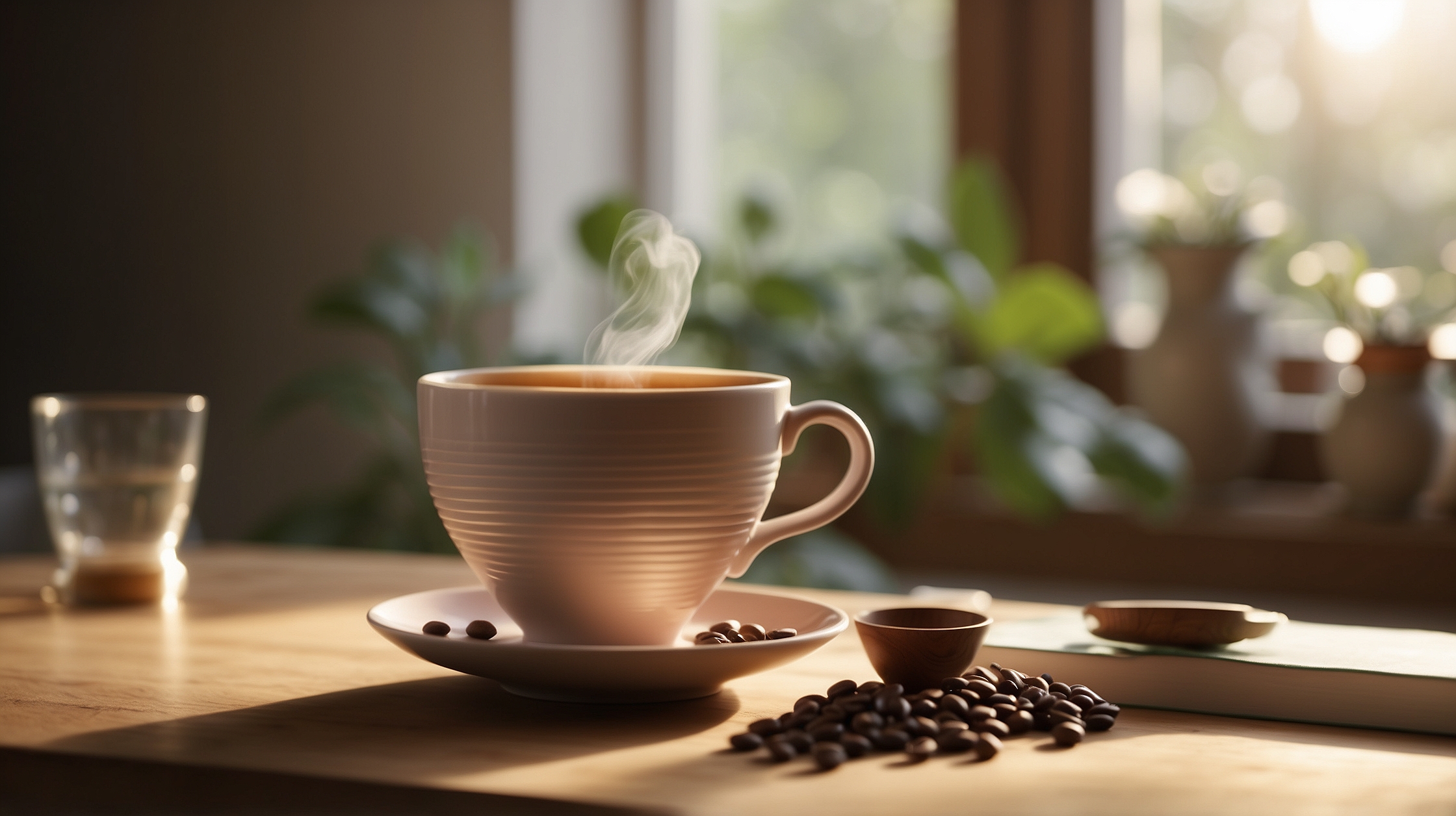
- Morning coffee or tea: Use this as a ritual rather than just caffeine intake. Notice the aroma, warmth, and taste.
“Small, conscious choices to slow down can nourish the mind and build emotional resilience over time.”
— Dr. Simone Reed, Neuroscientist
The connection between slowness and mindfulness
Mindfulness is the practice of maintaining a moment-by-moment awareness of our thoughts, feelings, bodily sensations, and surrounding environment. When you slow down tasks, you create space to practice mindfulness. Unlike seated meditation, mindful slowness can be effortlessly woven into your daily schedule, making it more sustainable for many people.
This form of mindfulness develops metacognition—the ability to think about your own thinking—which has been proven to reduce anxiety and improve emotional intelligence. People who incorporate slowness into their routines often report higher self-awareness and a greater sense of life satisfaction.
How slowing down improves emotional regulation
One immediate benefit people notice when they start slowing down is improved emotional control. By pausing and engaging more deeply in what you’re doing, you create a buffer between stimulus and reaction. That buffer is essential for making rational choices and modulating emotional responses.
This means you’re less likely to snap at a partner, get flustered in traffic, or succumb to panic during a busy day. Practicing slowness trains your brain to pause and assess rather than react automatically. Over time, this leads to fewer episodes of emotional overload and a better capacity to handle life’s ups and downs.
The impact on productivity and creativity
It may seem counterintuitive, but slowing down can also boost your productivity and creativity. When you’re not rushing, your brain has the freedom to explore tangents, make connections, and find innovative solutions. Pauses give room for insight—a practice successful thinkers, artists, and entrepreneurs have long embraced.
Furthermore, better mental clarity and reduced stress can lead to improved performance at work or in personal projects. By lowering the background chatter in your mind, you enhance focus, which reduces time spent correcting errors or bouncing between tasks.
“Productivity is not about speed—it’s about effectiveness, and slowness enables that.”
— Nathan Cole, Occupational Therapist
How to start incorporating slowness into your day
It doesn’t take a lifestyle overhaul to reap the benefits of mental deceleration. Here are some simple ways to get started:
- Choose one task each day to do mindfully (e.g., brushing your hair or tying your shoes).
- Set a timer for 5–10 minutes to do a chore slowly and with full attention.
- Disconnect from screens during basic activities like eating, walking, or cleaning.
- Use cues like putting on soft background music or lighting a candle to signal the start of a slow ritual.
- Journal or reflect afterward to note any changes in your mood or energy levels.
Why it’s gaining popularity in mental health circles
More mental health professionals are encouraging clients to adopt slow practices not only as a form of stress relief but also as a preventive tool. Studies have found that slow living can reduce burnout, lower depression symptoms, and improve interpersonal relationships. Practitioners appreciate that it’s free, customizable, and doesn’t demand a steep learning curve like some wellness trends.
It also aligns with broader mental health strategies emphasizing balance, self-care, and the promotion of inner peace. With rising awareness of mental health needs, particularly after the pandemic era, finding accessible, non-pharmaceutical tools is more vital than ever.
Frequently Asked Questions (FAQs)
How does slowing down small tasks help reduce anxiety?
Slowing down calms the nervous system and helps shift your body out of a stress response, reducing symptoms of anxiety.
Can this technique replace meditation or therapy?
While slowing down tasks can significantly aid well-being, it’s not a replacement for professional therapy or structured mindfulness practices, but rather a helpful supplement.
What are the easiest tasks to start slowing down?
Simple tasks like eating, folding laundry, or washing dishes are perfect for beginning a slowness practice since they already occur daily.
Is this practice effective for children or teens?
Yes, mindful slowing can help younger individuals regulate their emotions and build focus, especially when modeled by adults.
How long before I notice the benefits?
Some people feel calmer after just one slow session. However, consistent practice over a few weeks yields more lasting changes in mental clarity and stress levels.
Do I need tools or special settings to slow down tasks?
No special tools are required. Just a willingness to engage fully in the task at hand and disengage from distractions like phones or television.
Can slowing down make me less productive?
On the contrary, intentional slowness often improves productivity by enhancing focus and reducing errors caused by rushing or multitasking.
Is slow living the same as being lazy?
Not at all. Slow living promotes conscious, deliberate action, which is often more efficient and mentally satisfying than hurried, unfocused effort.
About the Author