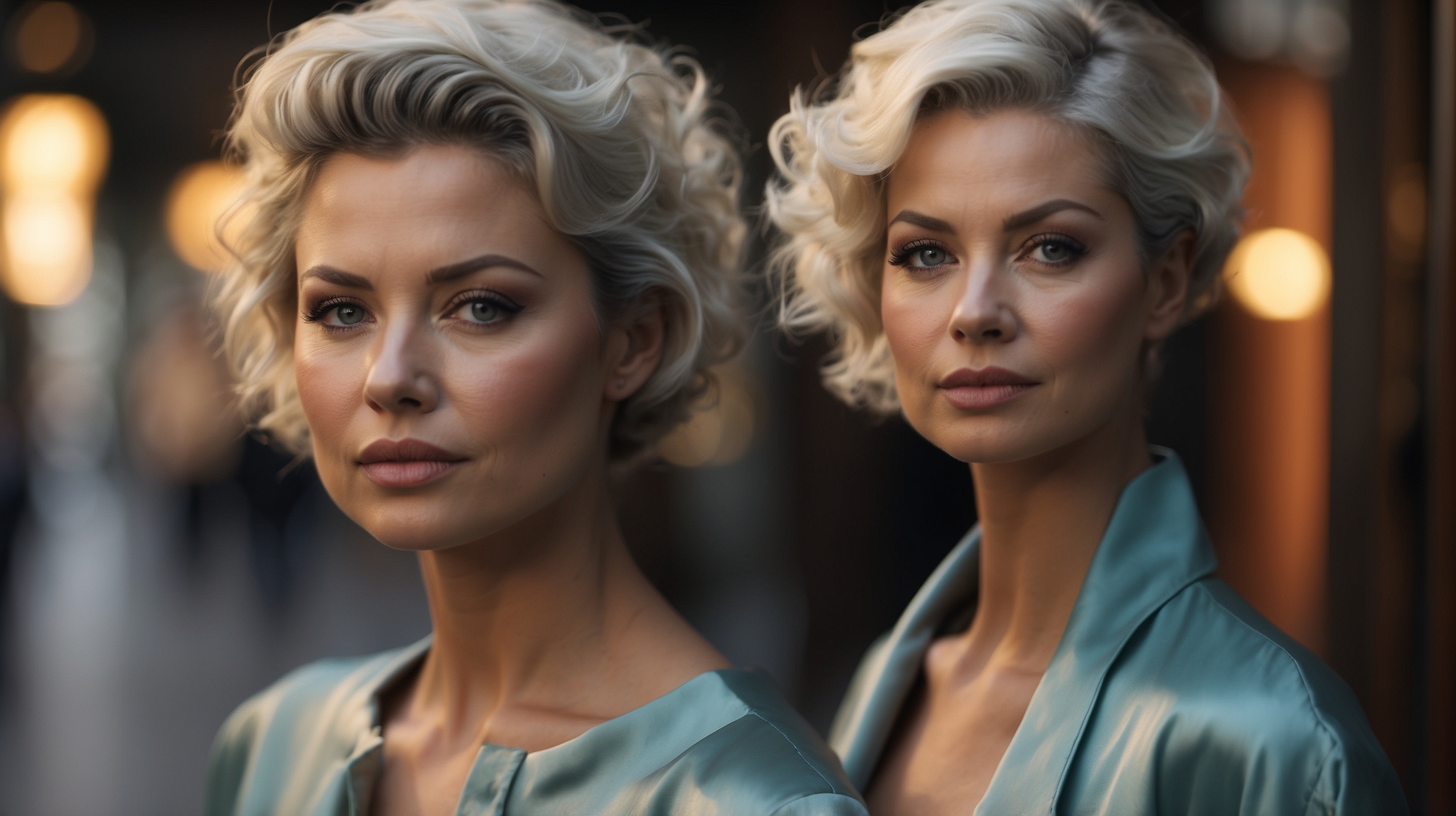
Once seen as a sign of aging that women were expected to dye away, grey hair is now enjoying a moment in the spotlight — especially among confident women embracing authenticity and style. From runways to red carpets, social media to high-powered boardrooms, natural grey hair has evolved into a statement of self-assured beauty and defiance of outdated beauty norms. Whether silver, salt-and-pepper, or platinum-toned strands streaked with natural hues, grey is no longer hidden — it’s highlighted and celebrated.

This renaissance is more than aesthetic. It reflects a deeper cultural shift: one where women of all ages are rejecting unrealistic expectations in favor of deeper self-expression. The rise of natural grey hair is not simply about not dyeing one’s hair — it’s about reclaiming identity, embracing maturity as powerful, and showcasing individual style with boldness. This movement is not exclusive to women over 50, either. Women in their 30s and 40s are beginning to let go of the bottle and flaunt their silver strands, inspired by a new wave of natural beauty advocates and influencers.
Why women are embracing grey now
| Trend Element | Description |
|---|---|
| Natural Confidence | Women are embracing unfiltered beauty and authenticity |
| Cultural Shift | Changing perceptions of aging and beauty norms |
| Celebrity Influence | More public figures proudly wearing grey |
| Hair Health | Reducing long-term dyeing improves hair strength |
| Sustainability | Minimizing chemicals and environmental impact |
Women today are no longer pressured to cover their natural look, and this is deeply empowering. The rise of Instagram and TikTok accounts dedicated to showing grey hair transitions has demystified the process and made it stylish. Viral hashtags focused on “grey hair don’t care” and “going grey gracefully” reflect a loud and proud conversation happening online — and in real life — about embracing all stages of life.

The COVID-19 pandemic accelerated this trend. With salons closed, many women used the time to allow their roots to grow and discovered a completely new identity in the mirror — one they had long buried under pigment. The “pandemic grow out,” as it’s sometimes called, revealed a liberating truth: grey can be beautiful, bold, and uniquely personal.
What changed this year
While grey hair has been quietly making a comeback in the last few years, 2024 has seen a true tipping point in attitudes. Runway models and actresses at major award shows have confidently shown off their natural silver locks. The fashion and beauty industries, once driven by eternal youth, are moving toward an embrace of individuality at all ages.

This year’s tone is one of empowerment, not apology. Women aren’t “letting themselves go,” they’re letting themselves shine. With top colorists now specializing in grey blending techniques and beauty brands launching silver-enhancing products, support for this lifestyle is growing. The narrative has shifted from necessity to fashion-forward choice.
“Grey hair is no longer hidden — it’s styled, celebrated, and embraced as a statement of who you are.”
— Elise Morgan, Creative Director at Urban AtelierAlso Read I Learned This Pasta Recipe the Hard Way, and Now I Always Do It This Way
Who qualifies and why it matters
There’s no age requirement to go natural. In fact, women as young as 30 who start to see their first silver strands are choosing to skip the cycle of dye appointments altogether. For many, it’s not about color but control — choosing to show up as their authentic selves without apologies.

The beauty of grey hair lies in its diversity. Hair textures, shades of silver, growth patterns — all vary woman to woman, which means the look will always be unique. From icy cool tones to warm taupe-like hues, natural grey creates striking visual impact, especially when styled intentionally.
“The right haircut and styling can make grey hair look more chic than artificial color ever could.”
— Jenna Paul, Celebrity Hairstylist
For professionals, going grey is also a power move. It signals confidence, experience, and leadership — traits increasingly valued in workplace culture. As workplace norms evolve, so too does the freedom to bring one’s full self, grey hair and all, to the table.
How to transition to natural grey hair
Going grey naturally is not just a decision — it’s a process. Depending on the individual and their current hair color, it can take months to grow out the dye and blend in natural roots. Skilled stylists now offer services like grey blending and partial highlights to ease the transition.
Care during the grow-out phase is crucial. Purple shampoos are commonly used to neutralize yellow tones. Hydrating treatments help keep strands strong, as grey hair tends to be more coarse and dry. Regular trims and updos can help women feel polished throughout the transitional stages.
“Blending helps unify the hair color so clients feel confident through every phase of growth.”
— Marla Grant, Master Colorist
For women with fast-growing or high-contrast grey, shorter cuts can speed up the changeover. Others opt to stop dyeing cold turkey, using hair accessories or hats to soften the early phases. Support communities online are invaluable for advice, encouragement, and sharing real-life results during the journey.
Winners and losers in the grey hair trend
| Winners | Losers |
|---|---|
| Women choosing self-acceptance | Traditional beauty advertisers clinging to outdated ideals |
| Haircare brands with grey-specific products | Salon chains dependent on monthly color treatments |
| Influencers embracing natural looks | Media outlets pushing anti-aging narratives |
Silver strands as a style statement
Style is key in turning grey hair into a signature look, not just a phase. Just as a well-selected outfit or accessory elevates your overall look, the right haircut and maintenance make grey hair shine. Sleek bobs, layered pixies, natural curls, and long flowing tresses — all work beautifully with silver hues.
Adding shine is essential. Glossing sprays, light oils, and leave-in conditioners can prevent dullness. Investing in high-quality shampoos specifically for silver tones reduces brassiness and enhances natural radiance. Haircuts with proper shape and flow ensure grey doesn’t overshadow personality but enhances it instead.
“Think of grey hair as the ultimate accessory — it’s bold, versatile, and uniquely yours.”
— Tessa Bloom, Personal Stylist
The future of grey: from trend to timeless
What began as a pandemic-era necessity has become a lasting part of modern identity. The grey hair movement speaks to more than hair. It speaks to power, personality, identity, and self-love. As more women go public with their journeys and inspire others, it’s clear this isn’t just a brief trend — it’s a permanent place in the spectrum of beauty ideals.
Brands are taking notice. Haircare and fashion labels are casting older models, not to look “younger” but to look unapologetically themselves. Beauty, after all, isn’t about covering up — it’s about standing out. And nothing stands out quite like silver strands styled with purpose and pride.
Frequently Asked Questions about Grey Hair
What age do most women start going grey?
Most women begin to see their first grey hairs in their early to mid-30s, though it can vary due to genetics and lifestyle factors.
Can grey hair be stylish?
Absolutely — with the right cut and care, grey hair can be incredibly chic and expressive of personal style.
Does grey hair require special products?
Yes, using purple shampoos and hydrating treatments can help tone brassiness and maintain shine in grey hair.
Is going grey damaging to your hair?
No, in fact, avoiding chemical dyes can actually improve hair health over time.
Can younger women rock the grey hair look?
Definitely. More women in their 30s and 40s are choosing to go natural earlier and are creating stylish looks with grey hair.
How long does it take to grow out grey hair?
It depends on hair length and growth rate, but most transitions take 6 to 12 months or longer. Blending services can ease the process.
Do men face the same grey hair pressure?
Generally, no. In many cultures, men with grey hair are often seen as distinguished, whereas women have historically been pressured to cover greys.
What’s the best haircut for transitioning to grey?
Shorter styles like layered bobs or pixies can help speed up the transition and highlight the contrast beautifully.
About the Author