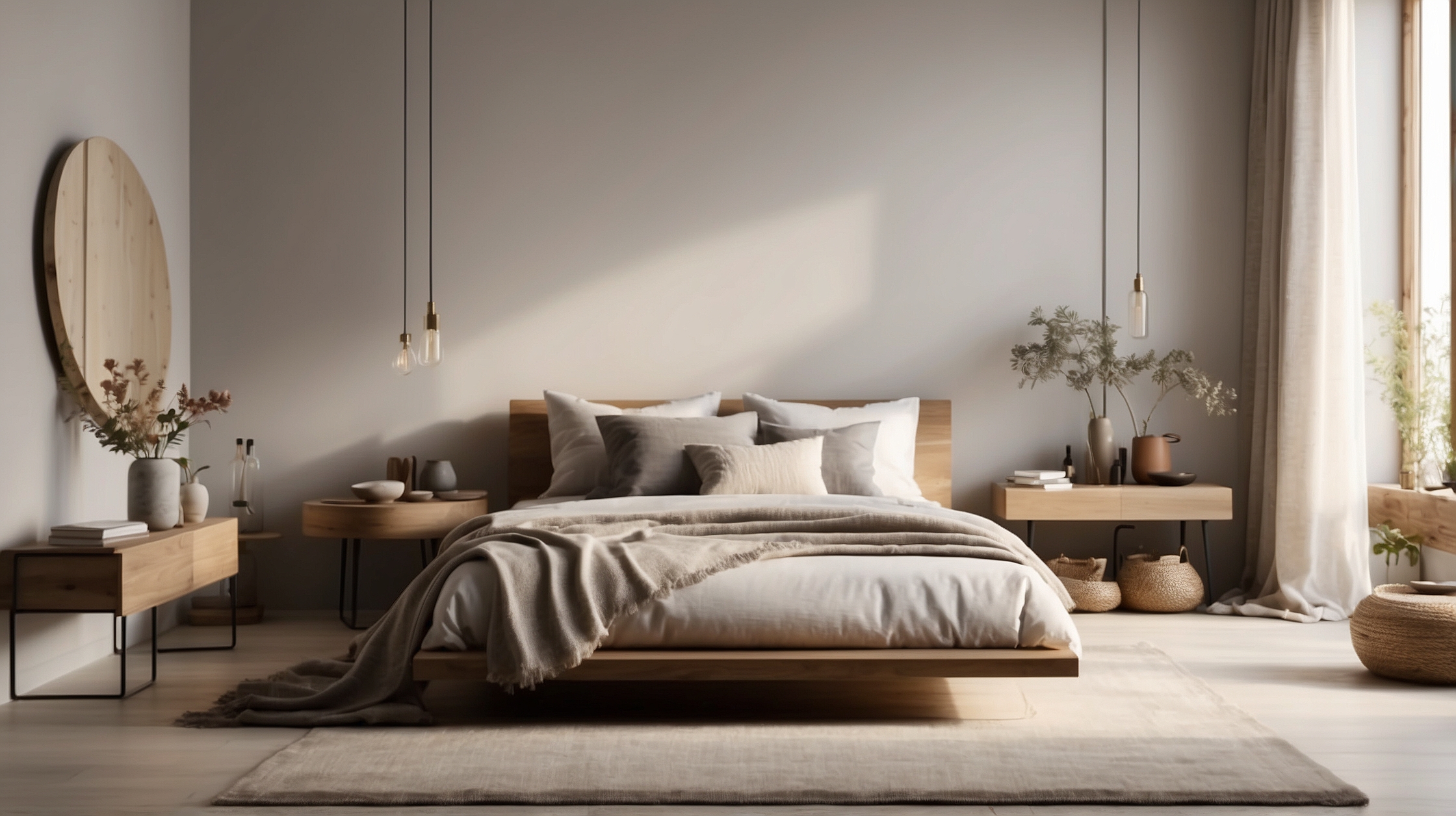
Once considered the default for bedroom storage, traditional wardrobes are slowly losing their dominance. In their place, **open storage systems**—from freestanding racks to thoughtfully positioned shelving and modular units—are emerging as both a statement of style and a beacon of flexibility. More and more homeowners, renters, and interior designers are forgoing closed wardrobes in favor of these open alternatives, which emphasize visibility, accessibility, and a more personalized aesthetic.

This shift reflects broader changes in the way people live, work, and organize their homes. A combination of minimalist trends, smaller urban apartments, and multifunctional spaces have driven the demand for storage that not only serves a purpose but also fits naturally into the evolving concept of home. Whether it’s the increase in remote work, the rise of capsule wardrobes, or a simple desire to live more intentionally, today’s bedrooms tell a story—and open storage plays a starring role.
Why bedrooms are replacing wardrobes with open storage
| Trend | Details |
|---|---|
| More visible organization | Open wardrobes allow users to see and access items quickly and easily. |
| Maximized space | Ideal for small bedrooms where cupboard doors take up room. |
| Stylish design options | Minimalist and industrial aesthetics complement modern interiors. |
| Custom layouts | Modular systems let users personalize based on their wardrobe size. |
| Cost-effectiveness | Often cheaper to install than bespoke fitted wardrobes. |
What’s driving the shift from traditional wardrobes
The reasons behind this growing shift are as diverse as the people embracing it. **Urban living**, for one, has led to reduced bedroom space, especially in major cities. Large wardrobes can be unwieldy, often dwarfing limited floor areas. In contrast, open systems allow bedrooms to appear **more spacious**, creating the illusion of depth, airiness, and flow. Designers are increasingly advising on open storage as an effective way to make **compact rooms feel bigger** and more breathable.

Another major influence is the **rise of minimalist living and intentional design**. Many people are making conscious decisions to simplify their possessions and surround themselves with fewer, higher-quality items. Open storage acts as both a visual inventory of one’s wardrobe and a gentle accountability system—it discourages clutter, welcomes regular reviews, and embraces design simplicity.
The appeal of form meets function
Open storage doesn’t only prioritize function; it also serves as a **design feature**. Retail and hospitality design often inspire home layouts, and the boutique aesthetic—exposed rails, wooden racks, combinations of steel and glass—has trickled down into residential spaces. Now, the bedroom isn’t just where we sleep. It’s a sanctuary, a personal gallery, sometimes even an extension of work-at-home spaces. Having a curated clothing display integrated into this environment aligns with how people want to **personalize and stylize their living spaces** without compromising on utility.

Functionally, open systems offer **greater customization**. Whether it’s a few hanging rails, wall-mounted shelves, or larger modular organization systems with drawers and compartments, people can build solutions that match their closet needs instead of squeezing into a standard wardrobe’s internal design.
Design flexibility for changing lifestyles
One of the biggest advantages of open storage lies in its **flexibility**. Life changes—from moving homes to growing families—often mean reconsidering room layouts. Standard wardrobes can be heavy, immovable, or built-in permanently. Open frameworks, on the other hand, can **adapt or relocate easily**, often without any structural modification. This makes them perfect for renters or anyone experiencing frequent lifestyle changes.

Additionally, such configurations can evolve with the user. A young professional’s needs may differ vastly from those of a couple or a small family. Open storage can expand, shrink, or reconfigure to **make room for new habits, gadgets, or purposes**. And since many modern solutions are modular, there’s no need to replace the system—only to adjust it.
Winners and losers in the wardrobe evolution
| Winners | Losers |
|---|---|
| Renters in urban areas | Builders of large fitted wardrobes |
| Interior decorators needing flexibility | Traditional cabinetmakers |
| Minimalists favoring capsule wardrobes | Maximalists valuing concealed storage |
| Small apartment dwellers | Bulk furniture movers |
Trends influencing the shift
A large part of the trend stems from **visual culture trends**. Platforms like interior decor shows and lifestyle influencers heavily feature open wardrobes as aspirational. These well-organized racks showcasing a user’s design taste and lifestyle cultivate a sense of authenticity and real-life elegance. There’s a growing belief that furniture should be beautiful and functional—even practical items like clothing racks.

Moreover, the way people consume fashion has changed. Capsule wardrobes and sustainable consumption have prominently encouraged users to **own less but choose well**. When you own fewer, more cherished pieces, you’re more likely to want them displayed, not hidden behind doors. In this context, concealment feels counterintuitive. Display becomes part of the clothing’s value.
Challenges and solutions with open storage
Despite the many benefits, **open storage is not without challenges**. Chief among them is the potential for visual clutter if not organized carefully. Unlike closed wardrobes, any disorder is immediately visible—which may not appeal to everyone’s lifestyle or habits. As such, it requires users to be tidier by default, a habit that could take time to build.
Dust—another enemy of the open system—can also affect clothes and materials. But creative design decisions, like **dust covers, partial drapes, or glass dividers**, can balance visibility with protection. Using storage boxes, baskets, and intelligent layouts can help retain the clean look people expect when moving away from traditional wardrobes.
“Open storage invites creativity. You’re not just storing clothes; you’re designing part of your environment.”
— Laila Nguyen, Interior Design Specialist
Affordable and environmentally conscious option
Cost also plays a role in this shift. A full-size custom wardrobe can run into thousands, particularly if designed to fit a specific space. Open storage, in many cases, can be put together from **budget-friendly components** bought off-shelf and even repurposed materials. This makes it attractive for both budget-conscious decorators and **eco-conscious residents** who prefer recyclable or modular pieces with a lower carbon footprint.
With the increased demand for greener alternatives and **sustainable interiors**, functional yet minimalist furniture—like open storage—presents an ideal solution. These systems often embrace a do-it-yourself culture that values upcycling and responsible sourcing. Furthermore, if you move homes, you don’t leave your wardrobe investment behind. You take it with you.
“Open wardrobes are more than a design trend—they’re part of a broader shift toward mindful consumption and adaptable living.”
— Darren Hudson, Home Trends Analyst
Final thoughts
While traditional wardrobes still serve a purpose, their open counterparts are clearly becoming a favorite in modern living spaces. From **flexibility and affordability** to **form and function**, open wardrobe systems reflect a cultural pivot that prioritizes personality, precision, and practicality. Whether you’re a designer, a downsizer, or simply someone wanting to declutter with style, open storage may just unlock the next chapter in how we view bedroom furniture.
Frequently asked questions about open bedroom storage
What is open bedroom storage?
Open storage refers to shelving, rails, and modular units that keep clothes and accessories visible and accessible, rather than hidden inside a closed wardrobe.
Is open storage suitable for small bedrooms?
Yes, it’s ideal for small spaces as it reduces the visual weight and avoids bulky doors, making the room feel more spacious and functional.
How do I keep my open wardrobe organized?
Use baskets, boxes, and segmenting tools for neatness. Regularly rotate or tidy up to avoid a cluttered look.
Does open storage collect dust?
It can, but using dust covers, curtains, or glass partitions can mitigate the issue. Regular cleaning helps maintain its freshness.
Are open wardrobes customizable?
Yes, many systems are modular and allow users to configure layouts based on space, needs, or future changes.
What styles of interior match open wardrobes?
Open wardrobes fit particularly well with minimalist, industrial, Scandinavian, and bohemian decor styles.
Can I have both a closed and open system?
Absolutely. Many people blend open racks for daily items with a small traditional wardrobe for storage and concealment.
Are open wardrobes more budget-friendly?
They often are. Many systems are available at a lower cost than custom wardrobes, and components can be upgraded or replaced as needed.
About the Author