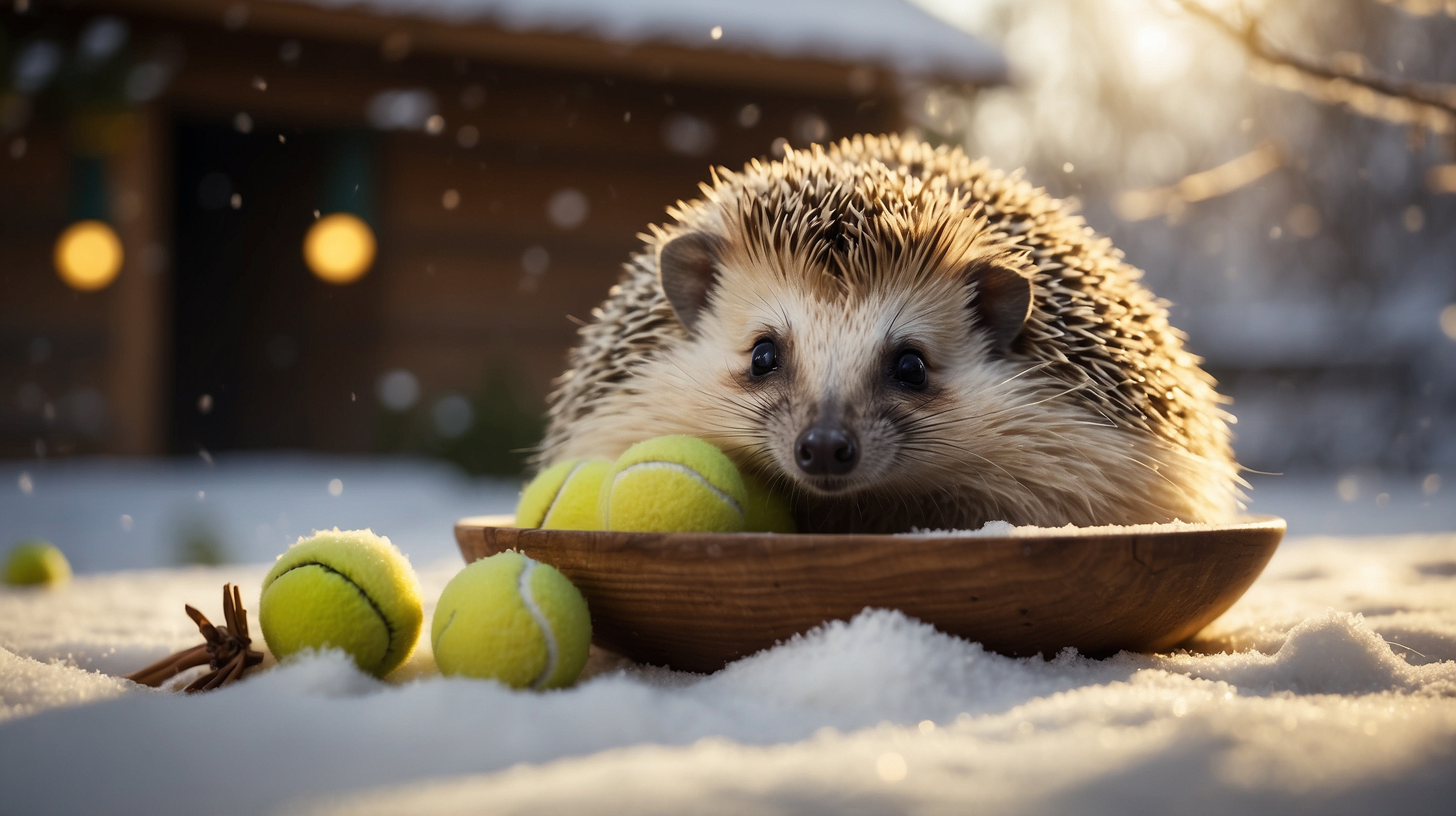

As winter tightens its grip across the UK, both amateur gardeners and seasoned horticulturists are turning to a surprising item in their quest to support local wildlife: tennis balls. Yes, the same balls used on the lawn courts of Wimbledon are now playing a crucial role in nurturing hedgehogs and birds during the bitterly cold months. It’s not just a quirky trend with viral appeal—this method is backed by practical environmental reasoning and growing anecdotal success.
With temperatures plummeting and natural water sources rapidly freezing over, small wildlife struggles to find essential resources. Birds require fresh water for drinking and preening, while hedgehogs—already facing a nationwide population decline—find themselves fighting dehydration and exposure. Simple yet innovative solutions like placing tennis balls in garden ponds or bowls are making a surprising difference in these animals’ survival.
Experts and wildlife organisations are endorsing the technique as a low-cost, effective way to mitigate some of winter’s harshest impacts without requiring elaborate setups or deep pockets. The unexpected trick of using a floating tennis ball or placing them strategically around the garden helps ensure water remains available and paths are accessible. But how exactly does it work, and how can households get involved? Below, we unpack the science and simplicity behind the tennis ball tactic—and why it’s earning admiration this season.

Why people are putting tennis balls outside
| Purpose | Prevent water from freezing completely |
| Main Beneficiaries | Birds and hedgehogs |
| Seasonal Timing | Primarily winter months (Dec – Feb) |
| Items Needed | Used or new tennis balls, water containers or ponds |
| Additional Benefit | Encourages awareness of garden wildlife care |
| Difficulty | Very easy – low maintenance |
How tennis balls keep water from freezing solid
Water expands and freezes when still in low temperatures, forming a solid layer of ice that prevents animals from hydrating. By placing a tennis ball in a birdbath or small pond, the ball’s movement—driven either by wind or thermal convection—helps disrupt the water’s surface tension. This continuous gentle motion significantly slows down the freezing process, even in sub-zero environments.
Although it may not always prevent total freezing in extreme conditions, having even a small unfrozen section in a water source can be the difference between life and death for wildlife. It allows birds to preen their feathers, which is essential for their insulation, and permits hedgehogs and other small mammals to drink when natural supplies have frozen over.

“A floating tennis ball is a simple but surprisingly effective way to keep parts of a pond from freezing. It allows wildlife to access water that they so desperately need during freezing nights.”
— Dr. Harriet Moore, Wildlife Ecologist

Helping hedgehogs survive the winter
Hedgehogs enter a hibernation-like state called torpor during colder months, but they still rouse occasionally in need of food and water. If temperatures drop too low and safe, accessible water is scarce, it can lead to dehydration or even death. Strategically placing tennis balls can do more than just keep their paths open—it encourages accessible, safe water points that don’t become icy traps.
Additionally, tennis balls can be used to indicate and protect hedgehog shelters or pathways. By stacking leaves and placing a tennis ball nearby or lodged in an entrance point, you’ll know if a hedgehog or animal has pushed past it. If a ball is knocked aside, it’s a subtle sign that the shelter is in use and should not be disturbed—it creates a kind of natural motion sensor alert for wildlife-conscious gardeners.
“Because hedgehogs rely on routine paths through gardens and under fences, the ice and snow can become a serious hazard. It may not seem like much, but placing a tennis ball in their usual routes can alert you to their activity and remind you to keep those spaces clear.”
— Jamie Field, Urban Wildlife Support Lead
Best type of container or water source for tennis balls
While tennis balls can work in nearly any outdoor water source, their effectiveness increases when used in well-placed, partially sheltered locations. Birdbaths, small ponds, and containers placed near hedges or garden sheds tend to work best because they’re more shielded from wind chill and receive better ambient warmth from nearby structures.
- Birdbaths: Use wide shallow baths with one floating ball to help discourage full ice formation.
- Ponds: Larger bodies of water may require two or three balls, especially if wind movement is blocked.
- Bowls in refuges: For hedgehog houses or feeding stations, water bowls kept near entrances with tennis balls prevent freezing and signal whether wildlife has been active overnight.
Other ways to support birds and hedgehogs this winter
While tennis balls make a big impact, they are just one tool in a more comprehensive wildlife support plan that can be done with minimal investment. Consider the following:
- Leave out fresh water daily: Always check and refill during morning and afternoon if you can.
- Add calorie-dense food: Birds benefit from seeds, peanuts, and suet; hedgehogs need meaty cat food or dry biscuits.
- Build or buy small shelters: Leaf piles, covered boxes, and hedgehog houses make excellent refuges.
- Minimise overnight lighting: Helps reduce stress on nocturnal animals and minimises territory confusion.
- Avoid chemical de-icers: These can be toxic. Use hot water to break through thin ice safely if absolutely needed.
How children and families can get involved
Including children in this eco-support initiative offers more than fun—it’s educational. Schools and community groups have started to use the tennis ball trick as a gateway conversation into biodiversity, environmental responsibility, and local fauna conservation. Watching wildlife drink from a birdbath or noting hedgehog activity after seeing a tennis ball moved overnight can ignite fascination and a deeper connection with nature.
Families can also decorate their tennis balls (non-toxic paints only!) to mark each one uniquely, making daily wildlife spotting an interactive and imaginative activity. Keeping score of which balls move or freeze also introduces a hands-on way to understand weather, thermodynamics, and biology during the cooped-up winter months.
Who benefits most from this simple solution
| Winners | Losers |
|---|---|
| Birds needing fresh water year-round | Animals without access to maintained outdoor spaces |
| Hedgehogs finding unfrozen paths & water | Urban wildlife in cemented landscapes |
| Gardeners aiming to support biodiversity | Residents unaware of local wildlife needs |
| Children learning through nature-friendly projects | Pet owners with outdoor bowls left to freeze |
Simple, effective, and widely adaptable
As bizarre as it may seem at first, the tennis ball trick is one of those serendipitously clever ideas that requires no special equipment, training, or budget—but yields real-world results. It reuses a common item most households already own, and its logic stems from basic physics shared across global conservation efforts.
With winter only just beginning in many parts of the UK, now is the time to take proactive steps. Place a tennis ball in your birdbath, drop one in your small pond, or set a water bowl with a floating ball outside your shed. It’s a gesture so small it may seem inconsequential—but to a thirsty robin or an awakening hedgehog, it may be the timely lifeline that helps them through another freezing night.
Frequently Asked Questions
How many tennis balls do I need for one pond?
For small garden ponds, one to two tennis balls is usually enough. For larger surfaces, use up to four, spaced apart to ensure consistent movement.
Can I use other balls besides tennis balls?
Possibly. Any floating ball of similar size, durability, and resilience to moisture should work. However, tennis balls are ideal due to their felt surface and weight.
Is this safe for pets like dogs or cats?
Yes, though it’s best to monitor them to ensure they don’t take the ball away or chew it. Place wildlife water bowls in separate areas pets can’t access easily.
Should I replace the water every day?
Yes. Clean, unfrozen water is essential. Check and refresh it at least once daily, especially during freezing temperatures.
What if the water still freezes despite the ball?
The ball helps delay freezing, not eliminate it in extreme cold. Pour hot (not boiling) water over the container or replace it with fresh water as needed.
Is this recommended by wildlife professionals?
Yes, many wildlife groups endorse this method as a useful first step in freezing weather. It’s also supported by veterinary and ecological experts.
Can I use this in urban areas without gardens?
Absolutely. Even balconies, rooftops, or window ledges with safe bowls and tennis balls can help support local birds during winter.
Do I need to clean the tennis balls?
If they become dirty or moldy, definitely rinse them with warm water. Avoid chemicals. If worn out, replace them to maintain effectiveness.
About the Author