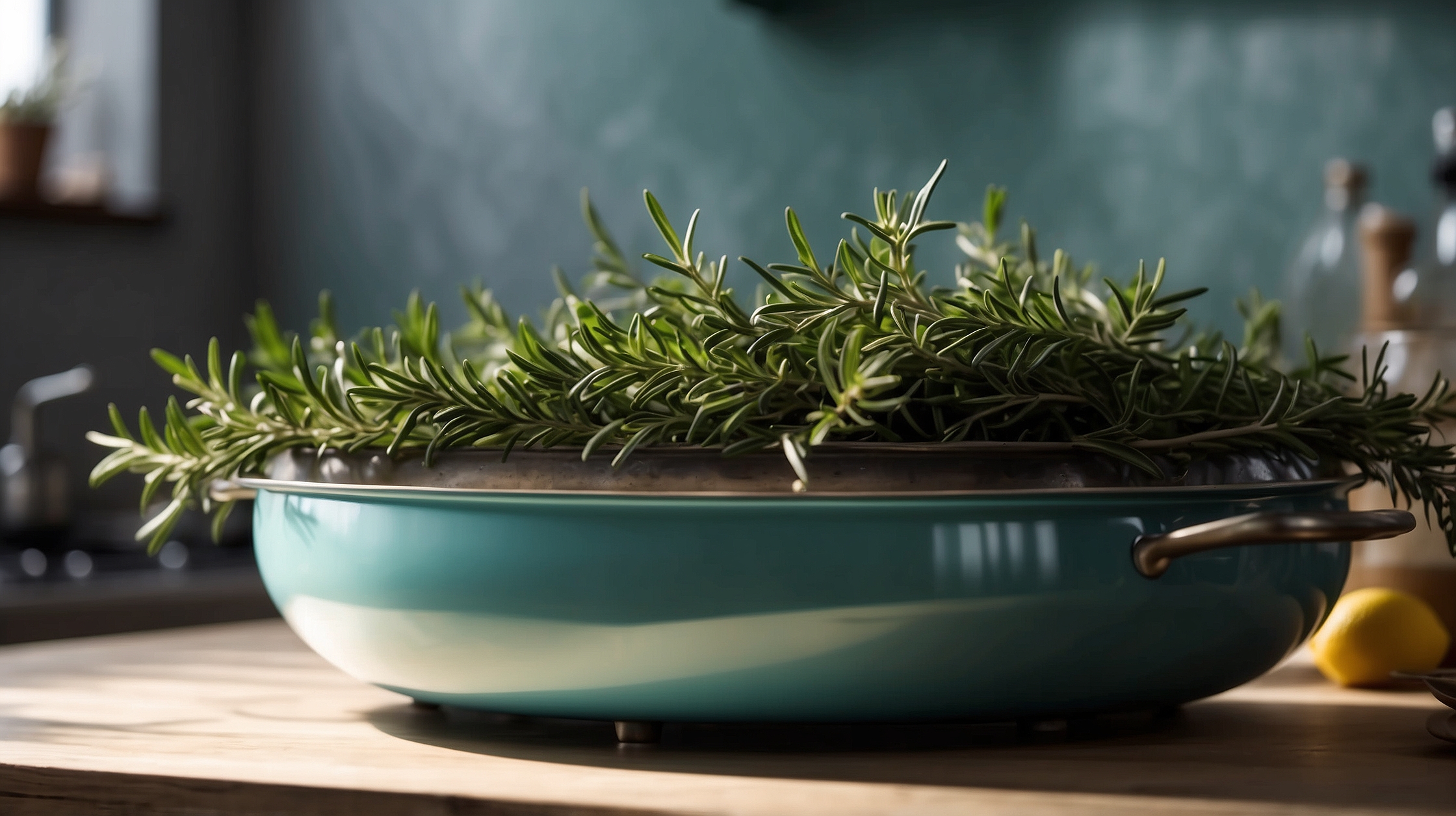
Rosemary has long stood as a staple in kitchens and gardens alike, cherished not only for its potent, aromatic flavor but also for its purported health benefits. From roasting meats to infusing oils, rosemary’s versatility makes it a household favorite. Yet, despite its popularity, many home cooks and even some seasoned chefs misuse this powerful herb in one critical way: by boiling it. This common practice can actually rob rosemary of its natural essence, altering its flavor profile and diminishing its medicinal potency.

Understanding why boiling rosemary is a bad idea starts with appreciating the complex chemistry of this resilient herb. Unlike more delicate herbs such as basil or parsley that wilt at the mere touch of heat, rosemary is woody and robust. This makes it seem like it can handle long periods of boiling, but in reality, heat alters the molecular compounds that give rosemary its signature aroma and taste. The result? A flat, often bitter flavor devoid of its expected vibrancy. The better approach involves harnessing rosemary’s essential oils through less aggressive methods such as steeping or infusion, allowing its flavor and health benefits to shine.
Rosemary usage check: Best vs. Worst Practices Overview
| Method | Flavor Impact | Health Benefits Retained | Recommended? |
|---|---|---|---|
| Boiling | Bitter, dull taste | Minimal | No |
| Steeping (Hot water, off boil) | Fresh, aromatic | Moderate to high | Yes |
| Infusing in oil | Full-bodied, rich | High | Yes |
| Dry roasting | Earthy, toasted | Moderate | Conditional |
| Using fresh in dressings | Lively, piney | High | Yes |
Why boiling rosemary breaks its natural magic
Boiling rosemary subjects it to prolonged high heat, which causes the degradation of its volatile oils such as camphor, cineole, and borneol. These are the very compounds responsible for rosemary’s signature scent and its reputation for improving memory and reducing inflammation. Once broken down by excessive boiling, not only does the flavor profile flatten, but the potential health effects are significantly reduced.

Additionally, rosemary contains certain polyphenols that are heat-sensitive. When boiled, these can oxidize and contribute to an unpleasant bitterness, especially when the woody stems break down. This is why boiled rosemary tea often tastes off-putting despite good intentions.
“People think the longer you cook rosemary, the more flavor you extract — but the opposite is often true. Gentle heat brings out its essence, while high heat erases it.”
— Maria Temple, Herbal Culinary SpecialistAlso Read IRS offer in compromise could slash your tax debt by thousands if you meet these hidden criteria
Better ways to extract rosemary’s flavor and benefits
If your goal is to enjoy rosemary’s aromatic complexity and health-supporting properties, the key lies in gentler preparation methods. One of the best ways is to infuse rosemary in hot, but not boiling, water. Think of steeping it like a tea — just under boiling around 190°F to 200°F (88°C to 93°C) — for about 5-10 minutes. This draws out the oils without breaking them down.
Another highly effective method is oil infusion. Submerging sprigs of fresh rosemary in a carrier oil like olive oil and leaving it to sit for a week or two produces a flavorful, aromatic oil ideal for drizzling over vegetables, meats, or even pasta. You can also lightly heat the oil to quicken the infusion, but never let it reach a simmer, as that can replicate the negative effects of boiling.
“When I make rosemary-infused oils, I always use low-temperature techniques. That’s how you preserve the nuance of the herb.”
— Dr. Celine Kraft, Botanical NutritionistAlso Read Seven-hour space signal detection finally solved by astronomers after mysterious origin baffled scientists
Creative culinary applications for rosemary
Rosemary’s uses go far beyond tea or roasted meats. It shines in both sweet and savory recipes when used properly. For an unexpected twist, try adding finely chopped rosemary to shortbread cookies — its slightly piney tang adds complexity to the sweetness. In savory dishes, incorporate fresh rosemary toward the end of cooking or as a final garnish to maximize aromatic impact.
Another great use is in compound butters. Combine softened butter with finely minced rosemary and lemon zest for a spread that elevates everything from grilled steak to crusty bread. And don’t overlook cocktails — rosemary-infused simple syrup pairs gorgeously with gin- or vodka-based drinks, adding an herbal lift that’s both savory and refreshing.
Health benefits that survive proper rosemary prep
Rosemary has been associated with a variety of wellness-promoting properties. It’s rich in antioxidants and inflammatory compounds that may help with digestion, circulation, and cognitive function. When you steep or infuse instead of boil, you preserve these benefits better. Cineole, for example, is known for its stimulating effects and respiratory support, but it’s highly volatile and breaks down quickly under high heat.
Moreover, proper use of rosemary may even support mood and mental clarity, a benefit long cited in both herbalist traditions and modern studies. This is why rosemary oil is also popular in aromatherapy, but the same rules apply: heat modestly, never excessively.
The cultural and historic importance of rosemary
Historically, rosemary has carried symbolic and culinary significance across many cultures. Ancient Greeks wore garlands of the herb while studying, believing it boosted memory retention. In the Middle Ages, it was a symbol of fidelity and used in wedding ceremonies and even funerals. Its preservation qualities made it a popular herb in pre-refrigeration era kitchens.
In Mediterranean cuisines, rosemary has always been treated with particular care. It’s tucked under meats as they roast, gently smoked, or used raw in dressings — but rarely boiled. Perhaps this traditional wisdom was informed by generations of taste and experimentation long before food science would confirm the mechanisms at play.
Common misconceptions about rosemary usage
One of the most persistent myths is that more heat equals more flavor. While this may be true for dense, collagen-rich meats, it doesn’t hold for herbs, and certainly not rosemary. Another misconception is that dried rosemary lacks potency. In fact, properly stored dried rosemary can concentrate flavor — just be sure to crush it immediately before use to activate its oils.
Some also believe that all parts of the rosemary plant are equally usable. While the leaves are prized for cooking and infusions, the woody stems should generally be avoided in liquids or teas where they release bitter compounds. Instead, they can be used as skewers for grilling or added as aromatic enhancers during roasting.
Final thoughts on making the most of this powerful herb
Rosemary deserves better than being boiled into oblivion. To truly appreciate its culinary and health attributes, consider more sensitive methods of usage like steeping, infusion, or raw finishing. Doing so not only enhances your cooking but also ensures you’re unlocking the plant’s full spectrum of benefits.
Ultimately, rosemary isn’t a one-dimensional kitchen herb — it’s a complex botanical whose unique properties ask for thoughtful preparation. By avoiding boiling and embracing more nuanced techniques, you can transform how rosemary features in your food and wellness routines.
Short FAQs about rosemary usage
Can you make tea with rosemary without boiling it?
Yes, you can steep rosemary leaves in hot (but not boiling) water for a more balanced flavor and better retention of health benefits.
What happens to rosemary’s oils when you boil them?
Boiling breaks down the volatile oils, diminishing both flavor and therapeutic potential.
Is it better to use fresh or dried rosemary?
Both have merit. Fresh offers vibrant flavor while dried, when crushed, provides a concentrated aroma. Avoid using whole dried leaves without crushing.
Can rosemary be used in cold recipes?
Absolutely. Add it to vinaigrettes, fruit salads, or compound butters for a fresh and fragrant note.
Are rosemary stems edible?
No, they’re woody and bitter. Use the leaves for cooking and repurpose stems as skewers or for aromatic purposes while grilling.
Is rosemary safe to consume daily?
In moderation, yes. Rosemary can support memory and inflammation management, but excessive use may cause side effects such as digestive upset.
How should I store rosemary for best results?
Fresh rosemary lasts longest in a damp paper towel inside a ziplock in the fridge; dried rosemary should be sealed and stored in a cool, dark place.
Can rosemary-infused oil go bad?
Yes, especially if not stored properly. Use sterile containers and refrigerate. Always smell before use.
About the Author