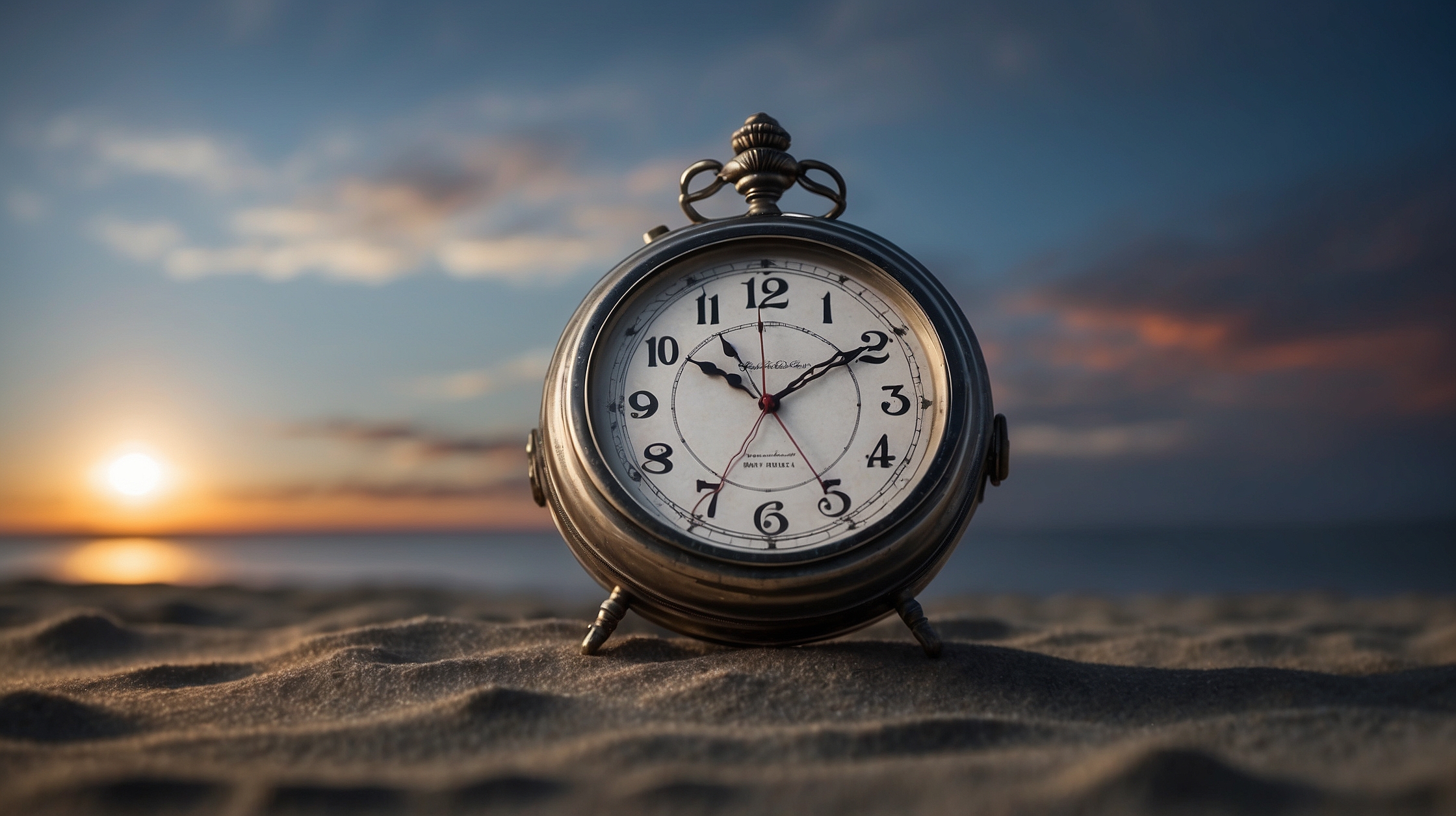
As another calendar year approaches, many Americans wonder exactly when they’ll need to reset their clocks and adjust their routines for the biannual time change. Daylight Saving Time (DST) remains a significant yet controversial event, impacting everything from sleep patterns to business hours to energy consumption. In 2026, this rhythmic shift in timekeeping will once again affect how we live, work, and plan. Whether you’re a busy professional, a student, or anyone trying to keep track, knowing the exact dates can help you stay prepared.

The concept of “springing forward” and “falling back” continues to be a focal point of national discussion. With recurring debates in state legislatures and Congress about whether to make DST permanent or eliminate it altogether, Americans are constantly reminded that this time-change tradition is not set in stone. But until any permanent decisions are made, the current rules still apply. Here’s everything you need to know about when the clocks will change in 2026—and what it might mean for your daily life.
Key Daylight Saving Time dates in the U.S. for 2026
| Date | Event | Time Change | Notes |
|---|---|---|---|
| Sunday, March 8, 2026 | Start of Daylight Saving Time | Clocks move forward 1 hour at 2:00 AM local time | Lose 1 hour of sleep; longer daylight in evenings |
| Sunday, November 1, 2026 | End of Daylight Saving Time | Clocks move back 1 hour at 2:00 AM local time | Gain 1 hour of sleep; darker evenings begin |
What changed this year
In terms of policy, 2026 does not feature any federally enacted changes to Daylight Saving Time. The current DST schedule remains governed by the Energy Policy Act of 2005, which extended the DST period to start on the second Sunday of March and end on the first Sunday in November. There has been no approved legislation at the national level to abolish or alter this system, despite ongoing proposals like the Sunshine Protection Act.

Several states have continued to push laws that would make Daylight Saving Time permanent. Yet, without congressional approval, these moves remain symbolic. So for now, Americans can plan to change their clocks twice in 2026—just as they did in previous years.
How Daylight Saving Time affects your life
While moving the clock forward or backward by just an hour might seem minor, it can have substantive impacts. Sleep disruption, decreased workplace productivity, and even increased risks of heart attacks and car accidents have all been correlated with time changes. On the flip side, proponents argue that longer evening daylight during DST encourages more outdoor activity, helps reduce energy consumption, and benefits retail businesses.

“Springing forward in March leads to an observable increase in workplace fatigue and a temporary drop in performance—especially in safety-sensitive jobs.”
— Dr. Michelle Raines, Sleep Researcher at National Sleep Institute
The fall transition in November is generally more favorable, as people “gain” an additional hour of sleep. However, it may also contribute to mental health issues such as seasonal affective disorder, due to reduced evening sunlight. The cumulative effects are complex and still under continuous study.
States pushing for change
A growing number of U.S. states have expressed a desire to do away with these biannual clock changes. Over 30 state legislatures have proposed or passed bills to adopt DST permanently, pending federal authorization. Some of the loudest supporters include Florida, Texas, California, and Washington. These states argue that citizens would reap economic and psychological benefits if the nation streamlined the system.
“Permanent daylight saving time could promote public health, boost local economies, and reduce crime.”
— John Parker, Political Analyst and Time Policy Advocate
However, until Congress grants the requisite authority under the Uniform Time Act, states remain locked into the current federal schedule. Arizona and Hawaii are notable exceptions; they opted out of DST entirely and operate on standard time year-round.
Winners and losers of the time changes
| Winners | Losers |
|---|---|
| Retail businesses (longer evening shopping hours) | Night-shift workers and early risers |
| Recreational industries like golf & outdoor events | Parents of young children with disrupted sleep schedules |
| Energy providers (less household lighting needed) | Healthcare sector (rise in cardiovascular issues post-DST) |
| Tourism sector seeing extended evening activities | School-aged children walking to school during dark mornings |
Preparing for the 2026 time changes
Being mindful ahead of the time switch can reduce its adverse effects. Experts often recommend gradually adjusting sleep schedules in the week leading up to a DST transition. Exposure to natural daylight during the day and minimizing blue light exposure at night can also help regulate circadian rhythms more effectively.
Ensure that all your digital devices update automatically and double-check non-connected clocks and appliances, like wall clocks, ovens, and vehicles. Travel plans should be cross-checked for time zone synchronization, especially during the days surrounding the change.
“Planning your transition into DST with minor schedule shifts can make a huge impact on your overall well-being.”
— Dr. Elisa Montoya, Behavioral Psychologist
The ongoing debate about abolishing DST
Public opinion is increasingly leaning toward the elimination or permanent adoption of Daylight Saving Time. Several polls indicate that a majority of Americans would prefer to stop changing clocks altogether. However, there is less consensus on whether the country should stick with standard time or DST year-round.
Health professionals tend to favor permanent standard time, as it is more aligned with natural sunlight patterns. Conversely, business groups and some lawmakers argue for permanent DST to boost the evening economy. So far, legislative momentum hasn’t resolved the tension.
“There’s bipartisan support, but not bipartisan prioritization. That’s why we’re still stuck in clock limbo.”
— Mark Halpern, Legislative Correspondent
Short FAQs about Daylight Saving Time 2026
When does Daylight Saving Time start in 2026?
Daylight Saving Time in the U.S. begins on Sunday, March 8, 2026, at 2:00 AM local time. Clocks move forward one hour.
When does Daylight Saving Time end in 2026?
It ends on Sunday, November 1, 2026, at 2:00 AM local time. Clocks move back one hour to standard time.
Do all states observe Daylight Saving Time?
No. Hawaii and most of Arizona do not observe DST and remain on standard time year-round.
Why do we change the clocks twice a year?
The practice was originally adopted to conserve energy and make better use of daylight. Its effectiveness is still debated.
Does the U.S. government plan to end Daylight Saving Time?
There have been proposals—like the Sunshine Protection Act—but no federal law has been passed yet to make DST permanent.
How can I prepare for the time change?
Start adjusting your sleep schedule gradually, reduce screen time before bed, and ensure all your clocks and devices reflect the change.
Is the date for Daylight Saving Time the same every year?
No, but it’s predictable. It starts on the second Sunday in March and ends on the first Sunday in November.
Does DST affect airline travel?
Yes, flight schedules must account for DST shifts. Confirm all bookings around changeover dates to avoid confusion.
About the Author