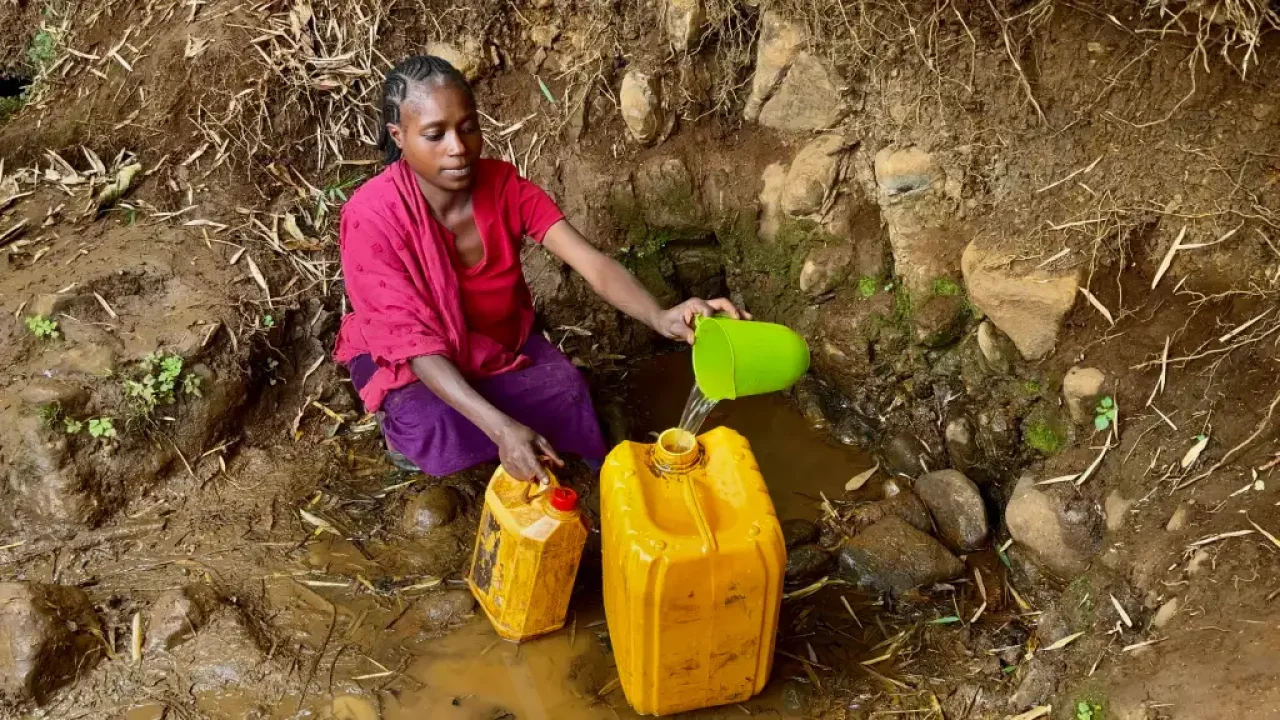
Maria walks three miles every morning before sunrise, not for exercise, but for water. The 34-year-old mother from rural Kenya carries two plastic containers on her head, following the same dusty path her grandmother once walked. What used to be a 20-minute trip has turned into hours as local wells run dry and rivers disappear.

She’s not alone. Across the globe, over 2 billion people face similar daily struggles, turning the simple act of getting clean water into an exhausting journey that consumes entire days and dreams.
This harsh reality forms the backbone of “The Struggle For Mother Water,” a powerful new docuseries making waves at the Berlinale Series Market. The project shines a spotlight on water scarcity, one of the most pressing crises facing humanity today.

When Every Drop Counts: Understanding the Global Water Crisis
Water scarcity affects nearly 40% of the world’s population, and that number is climbing fast. The docuseries explores this crisis through intimate personal stories, showing how the lack of clean, accessible water shapes entire communities.
“We wanted to move beyond statistics and show the human face of water scarcity,” explains Michael Zelniker, one of the project’s key figures. “Every person we met had a story that broke our hearts and inspired us at the same time.”

The series travels across continents, from drought-stricken regions in Sub-Saharan Africa to water-stressed cities in India and the American Southwest. Each episode reveals how different communities adapt, survive, and sometimes thrive despite facing severe water shortages.
What makes this project unique is its focus on solutions alongside problems. Rather than simply documenting suffering, the filmmakers highlight innovative approaches communities use to tackle water scarcity head-on.

Behind the Scenes: What Makes This Series Different
The production team spent over two years capturing footage across 12 countries. They worked with local communities, ensuring voices from affected regions remained central to the storytelling.
Key aspects of the series include:

- Personal narratives from families dealing with daily water challenges
- Interviews with scientists studying climate change impacts on water resources
- Documentation of community-led water conservation projects
- Exploration of technological solutions being tested worldwide
- Analysis of political and economic factors driving water inequality
The series also examines how water scarcity intersects with other global issues. Climate change accelerates drought conditions, while political conflicts often center around water rights and access.
| Region | Population Affected | Primary Cause | Featured Solution |
|---|---|---|---|
| Sub-Saharan Africa | 400 million | Limited infrastructure | Solar-powered wells |
| South Asia | 630 million | Groundwater depletion | Rainwater harvesting |
| Middle East | 200 million | Natural scarcity | Desalination plants |
| Latin America | 150 million | Pollution and drought | Water recycling systems |
“The numbers are staggering, but what really hits you is meeting a child who’s never seen a working faucet,” shares a production team member. “That’s when the crisis becomes real.”
Real Stories, Real Impact: Who This Crisis Touches
The docuseries doesn’t just focus on rural communities. Urban water scarcity affects millions in major cities like Cape Town, Chennai, and São Paulo. Day Zero scenarios – when cities literally run out of water – are becoming more common.
Women and children bear the heaviest burden of water scarcity. In many regions, girls miss school to help collect water, limiting their educational opportunities and future prospects. Women often walk hours daily, facing safety risks and physical strain.
“When water is scarce, entire family dynamics change,” explains Dr. Sarah Chen, a water policy expert featured in the series. “Education stops, health suffers, and communities struggle to maintain basic dignity.”
The health implications are severe. Without clean water, communities face increased risks of cholera, typhoid, and other waterborne diseases. Children under five are particularly vulnerable, with waterborne illnesses becoming leading causes of death in affected regions.
Economic impacts ripple outward too. Businesses shut down, agriculture fails, and families spend increasing portions of their income on water. Some communities pay 10-20 times more per liter than people in water-rich areas.
Hope in the Drought: Solutions Making a Difference
Despite the challenges, “The Struggle For Mother Water” showcases remarkable innovation and resilience. Communities worldwide are developing creative solutions to water scarcity, often with limited resources but unlimited determination.
Technology plays a growing role. Solar-powered desalination units bring fresh water to coastal communities. Smart irrigation systems help farmers use 40% less water while maintaining crop yields. Mobile apps connect water suppliers with consumers in urban areas.
“We’re seeing incredible innovation at the grassroots level,” notes filmmaker Michael Zelniker. “People aren’t waiting for governments or NGOs to solve their problems – they’re creating their own solutions.”
Traditional knowledge also proves valuable. Ancient rainwater harvesting techniques, updated with modern materials, provide sustainable water sources. Indigenous communities share water management practices refined over generations.
Policy changes offer hope too. Countries implementing water pricing reforms, investing in infrastructure, and protecting watersheds show measurable improvements in water access and quality.
The Berlinale Moment: Why This Series Matters Now
The series’ presentation at the Berlinale Series Market represents a crucial moment for water awareness in media. International distributors and streaming platforms are taking notice, potentially bringing these stories to millions of viewers worldwide.
“Documentary series have the power to create lasting change,” explains a Berlinale programmer. “When people see the human impact of water scarcity, they can’t ignore it anymore.”
The timing feels urgent. Climate change accelerates water stress, while growing populations increase demand. Without action, water scarcity could affect 5 billion people by 2050.
The series arrives as governments prepare for major climate summits and water conferences. Filmmakers hope their work influences policy discussions and funding decisions affecting water access globally.
Looking Forward: What Comes Next
Beyond entertainment, “The Struggle For Mother Water” aims to spark action. Each episode includes information about organizations working on water issues, making it easy for viewers to get involved.
Educational versions are planned for schools and universities. The production team is developing companion materials to help teachers incorporate water scarcity topics into their curricula.
Most importantly, the series continues growing conversations about water as a human right. As Maria from Kenya might say, understanding comes first – action follows naturally when people truly see what’s at stake.
FAQs
What is “The Struggle For Mother Water” about?
It’s a docuseries examining global water scarcity through personal stories and innovative solutions from affected communities worldwide.
How many people currently face water scarcity?
Over 2 billion people lack access to safely managed drinking water at home, with nearly 40% of the global population affected by water stress.
Where can I watch this series?
The series is currently being pitched to distributors and streaming platforms at the Berlinale Series Market, with release details to be announced.
What solutions does the series highlight?
The documentary showcases solar-powered wells, rainwater harvesting, desalination technology, and community-led conservation projects from around the world.
Why is water scarcity getting worse?
Climate change, population growth, pollution, and poor water management systems contribute to increasing water stress globally.
How can viewers help address water scarcity?
The series provides information about organizations working on water issues and suggests practical ways individuals can support water access initiatives.
About the Author