Sarah Martinez couldn’t believe what she was hearing at the February 9th town meeting. After waiting three years for her neighborhood’s development plans to move forward, she watched as project after project faced delays and complications. “We just want to know what’s happening in our community,” she whispered to her husband as the Walworth board tackled yet another evening of complex zoning decisions.
Like many residents, Sarah represents the growing frustration of community members trying to navigate local development processes. Every subdivision approval, solar project delay, and tabled discussion directly impacts property values, neighborhood character, and future growth patterns.
The February 9th meeting proved no different, as board members juggled multiple high-stakes projects while residents waited for answers about their community’s direction.
Major Subdivision Gets Second Chance
The Walworth board faced a familiar challenge during their recent meeting: breathing new life into a stalled development project. Michael Callarama’s Mildahn Road subdivision required recertification after sitting dormant for over a year, highlighting the complex realities of modern development.
Project engineer Don Lewis explained the dramatic transformation this subdivision has undergone. Originally conceived as a five-lot development in 2023, the project was scaled back to just three lots when sewer installation costs became prohibitive.
“The topography proved more challenging than we initially anticipated,” Lewis told board members. “The septic system placement really dictated our entire approach to lot configuration.”
The property, zoned residential with a daycare overlay, presented unique challenges that forced developers to completely rethink their approach. What started as an ambitious five-lot plan became a more modest three-lot subdivision designed around practical constraints.
Breaking Down the Development Details
Understanding the complexities of this subdivision requires examining the specific challenges and solutions involved:
- Original approval: Five lots approved in 2023
- Revised plan: Scaled back to three lots due to infrastructure costs
- Infrastructure change: Septic systems replaced planned sewer connections
- Current status: One lot under contract, buyer lined up for remaining two
- Key challenge: Driveway placement tied to septic locations and grading constraints
The board’s approval process revealed the intricate relationship between various development elements. Driveway placement couldn’t simply be adjusted on a whim – each element connected to septic system locations, grading requirements, and topographical constraints.
| Project Element | Original Plan | Revised Plan | Status |
|---|---|---|---|
| Number of Lots | 5 lots | 3 lots | Approved |
| Infrastructure | Sewer connection | Septic systems | Cost-effective solution |
| Market Interest | Unknown | Strong buyer demand | 2 lots sold, 1 under contract |
Board member Janet Phillips noted the practical approach taken by developers. “Sometimes the best solution isn’t the most ambitious one. These developers found a way to make the project work within real-world constraints.”
Solar Project Faces Unexpected Delays
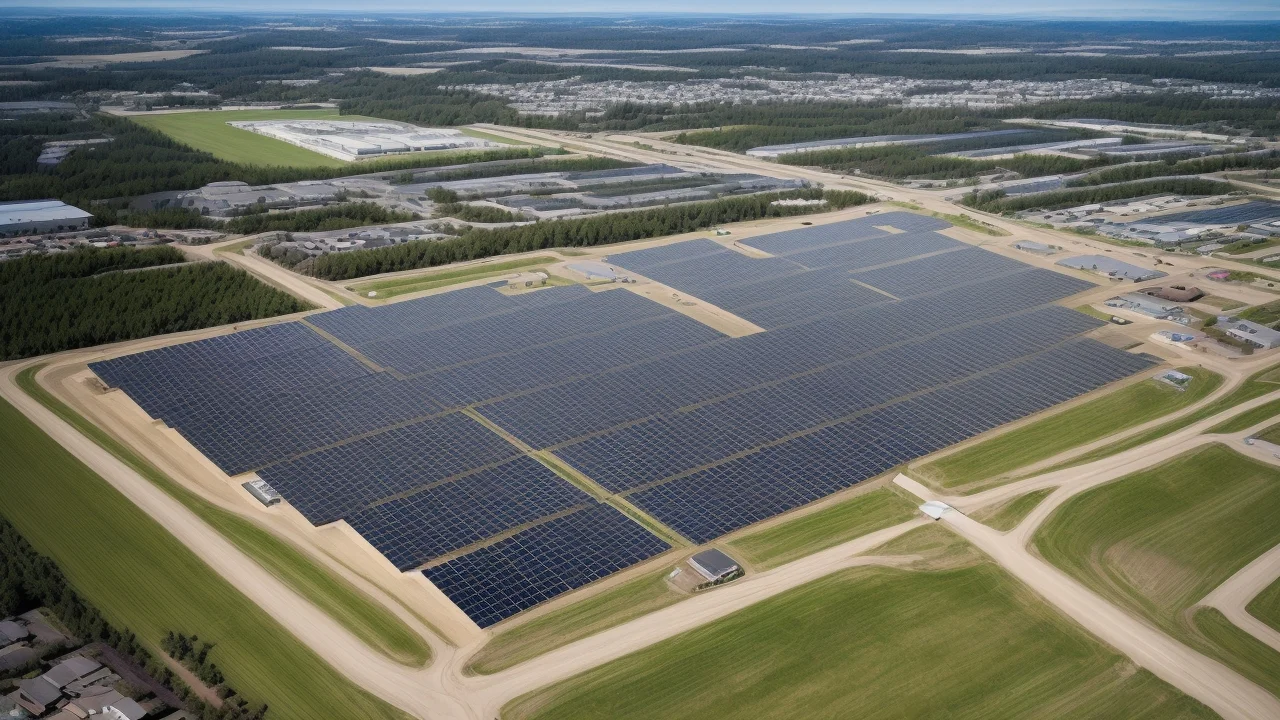
While the subdivision moved forward smoothly, the Walworth board encountered significant roadblocks with a proposed solar project. Details about specific delays weren’t fully disclosed during the public meeting, but the postponement signals potential complications with renewable energy development in the area.
Solar projects often face unique regulatory hurdles that differ significantly from residential subdivisions. Environmental assessments, utility interconnection agreements, and community impact studies can extend timelines far beyond initial projections.
Local environmental consultant Maria Rodriguez explained the complexity: “Solar projects require coordination between multiple agencies and stakeholders. Even small technical issues can cascade into significant delays.”
The delay raises questions about the town’s renewable energy policies and approval processes. Residents interested in sustainable development may need to wait longer to see progress on clean energy initiatives.
Windward Project Remains in Limbo
Perhaps most frustrating for community members was the board’s decision to table the Windward project entirely. This move leaves residents and potential developers without clear direction on when this initiative might advance.
Tabling a project typically indicates that board members need additional information, face unresolved concerns, or require more time for deliberation. However, extended delays can significantly impact property owners, prospective buyers, and community planning efforts.
The pattern of delays and complications reflects broader challenges facing local planning boards nationwide. Increased regulatory requirements, environmental considerations, and community input processes have made development approvals more complex than ever before.
Planning board chair Robert Chen acknowledged the challenges: “We’re balancing community interests, regulatory compliance, and practical development needs. Sometimes that means taking more time to get decisions right.”
What This Means for Residents
These board decisions directly impact various community stakeholders in different ways. Current property owners near the approved subdivision can expect new neighbors and potential changes to traffic patterns, property values, and neighborhood character.
The solar project delay affects residents interested in renewable energy options and potential property tax implications from solar development. Communities often benefit from solar projects through payment-in-lieu-of-taxes agreements that can reduce the tax burden on residential properties.
For prospective homebuyers, the subdivision approval provides new housing options in a desirable area. The septic-based infrastructure may appeal to buyers seeking properties with lower ongoing municipal fees compared to sewer-connected homes.
Real estate agent Tom Bradley noted the market implications: “Buyers appreciate having choices, and this subdivision fills a specific niche for people wanting newer construction without the highest-density development patterns.”
The Windward project’s indefinite delay creates uncertainty for anyone who may have been considering that area for future housing or investment opportunities. Extended delays often signal more complex approval processes ahead.
FAQs
Why was the Mildahn Road subdivision reduced from five lots to three?
Sewer installation costs became prohibitive, so developers switched to septic systems and reduced the number of lots to make the project financially viable.
What does “tabling” the Windward project mean?
Tabling means the board postponed making any decision on the project, typically because they need more information or time to consider the proposal.
How do septic systems compare to sewer connections for new developments?
Septic systems require individual maintenance by property owners but eliminate ongoing municipal sewer fees, while sewer connections provide centralized waste treatment with ongoing fees.
When will the solar project move forward?
The board hasn’t announced a specific timeline for reconsidering the delayed solar project.
Can residents attend future planning board meetings?
Yes, planning board meetings are public, and residents can attend to stay informed about local development projects.
What zoning considerations affected the Mildahn Road project?
The property is zoned residential with a daycare overlay, which influenced the types of development permitted and the approval process requirements.
About the Author