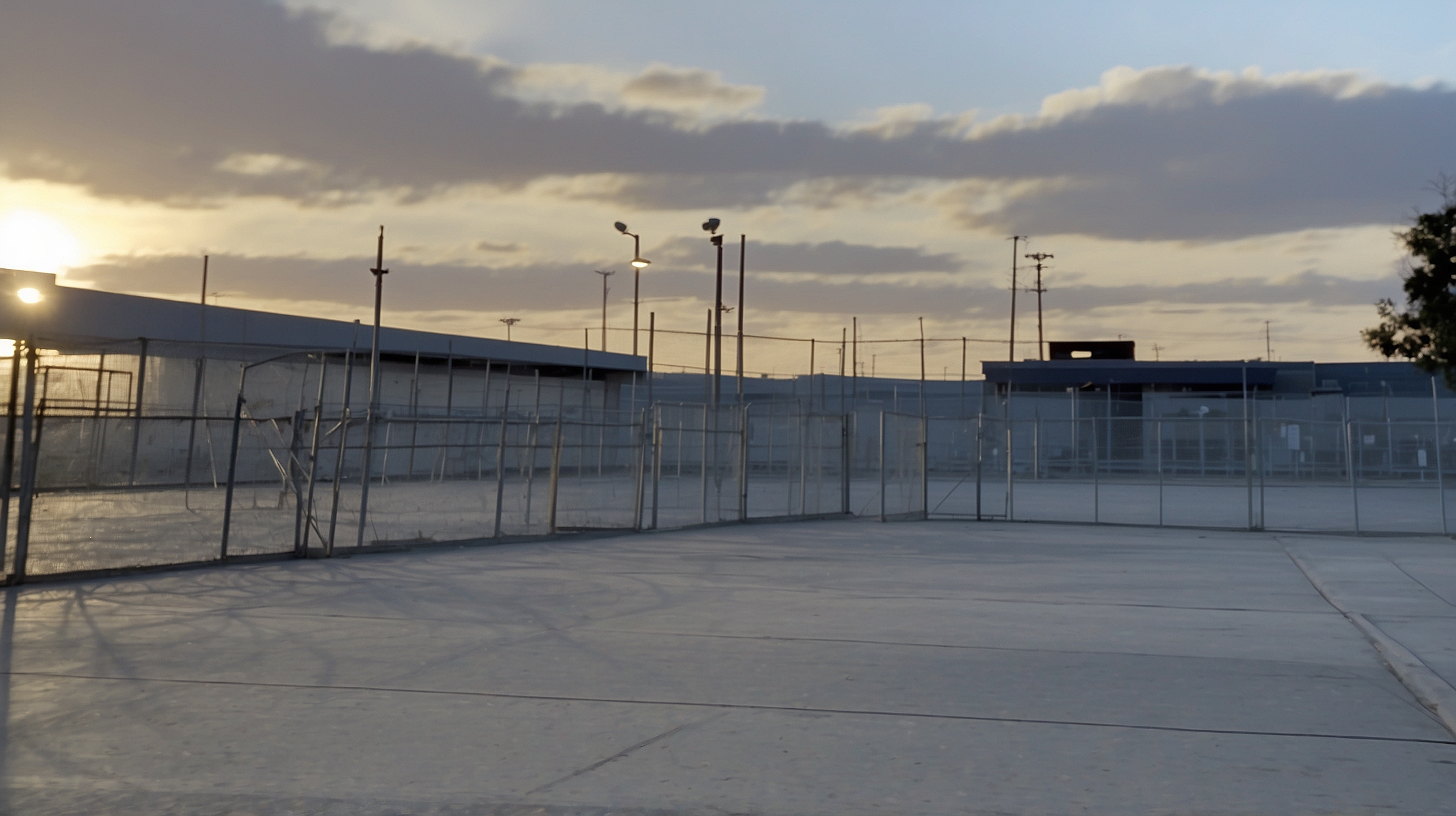

The United States is preparing to open a new immigration detention facility called the “Blueberry” center, a move that has sparked renewed debate over the country’s immigration policies and detention capacity. Located in a rural area yet to be disclosed officially, the Blueberry facility is poised to become one of the largest centers of its kind, featuring expanded accommodations and updated technology.

As the number of incoming migrants continues to surge at key border areas, the new center raises significant questions surrounding the federal government’s long-term strategy for managing immigration. Civil rights advocates are already voicing concerns about the expanding detention system, while officials argue that newer facilities like Blueberry are better equipped to handle detainees humanely and efficiently. The decision arrives at a critical juncture when immigration enforcement and humanitarian obligations remain deeply polarized topics across the nation.
Key facts about the Blueberry immigration detention center
| Feature | Details |
|---|---|
| Facility Name | Blueberry Immigration Detention Center |
| Location | Rural U.S. (Exact location undisclosed) |
| Operational Date | Expected to open in Q4 2024 |
| Capacity | Over 3,000 beds |
| Operator | U.S. Immigration and Customs Enforcement (ICE) |
| Estimated Cost | $250 million |
| Purpose | To detain individuals awaiting immigration proceedings or deportation |
Why the Blueberry center is being opened now
The Biden administration is under increasing pressure to manage high volumes of migrants arriving at the southern border, many of whom are fleeing conditions of poverty, violence and political instability. With several detention centers reaching or exceeding capacity, the Department of Homeland Security (DHS) and ICE see the Blueberry facility as a necessary response to systemic overcrowding.

Officials argue the new facility will alleviate pressure on border patrol agents and provide more standardized living conditions for detainees. This aligns with recent efforts to bolster infrastructure to cope with elevated border crossings, a trend that has continued despite seasonal fluctuations and diplomatic initiatives with countries of origin like Venezuela and Honduras.
How the Blueberry facility differs from older detention centers
Unlike older immigration detention centers, which have often been criticized for poor living conditions and limited access to legal counsel, Blueberry is said to include modern infrastructure designed with detainee welfare in mind. ICE officials have highlighted features like:

- On-site medical facilities
- Virtual courtrooms for expedited hearings
- Enhanced language accessibility
- Designated family units
This investment in upgraded facilities suggests a shift—at least in infrastructure—toward more sustainable management of the fast-growing immigration system.

“We’re introducing a new standard in the way we manage immigration detention. Blueberry is a part of our broader strategy to address capacity, safety, and human dignity.”
— Elaine Thompson, ICE Regional Director
Rising opposition from human rights advocates
However, human rights organizations argue that no matter how modern or humane, detention remains a punitive and controversial approach to immigration control. Groups such as the American Civil Liberties Union (ACLU) and Human Rights Watch have urged the Biden administration to prioritize alternatives to detention—such as parole, electronic monitoring, or community-based supervision programs.
The expansion raises concerns about disproportionately impacting asylum seekers who have not committed crimes but are held for immigration violations. These critics warn that such facilities risk normalizing the long-term detention of vulnerable populations, including women and children.
“Upgrading detention centers doesn’t solve the moral issue. It’s still incarceration, often without due process, and it disproportionately targets people seeking a better future.”
— Miguel Suarez, Immigration Policy Lead, Immigrant Justice Network
Federal strategy: security or humanitarian mission?
The federal government is walking a delicate line between securing borders and honoring international asylum rights. The Blueberry center appears to represent a middle ground: creating a streamlined facility to process individuals while offering more humane living conditions. Administration officials emphasize that the center will reduce chaos at border staging points and improve detainee tracking and legal access.
Critics remain unconvinced, arguing that expanding physical infrastructure reflects a reinforcement of enforcement-first policies rather than reimagining immigration frameworks. Meanwhile, lawmakers are divided, with some calling for stricter border security, while others demand the dismantling of the detention system altogether.
Winners and losers of this policy shift
| Winners | Losers |
|---|---|
| ICE and BORDER PATROL officials | Poor and undocumented migrants |
| Government contractors & facility operators | Human rights and immigrant advocacy groups |
| Communities reliant on federal detention jobs | Detained asylum seekers and families |
Looking ahead: Political and legal implications
As the 2024 election season approaches, immigration is emerging once again as a high-stakes issue. The unveiling of the Blueberry facility is already being weaponized by political figures on both sides. Republicans argue it’s proof the system is overwhelmed and needs more enforcement. Progressives claim it’s a betrayal of campaign promises championing immigrant rights.
Legal experts warn that facilities like Blueberry might also attract litigation over detention conditions, procedural delays, and the detention of minors. Courts have historically played a key role in shaping immigration enforcement parameters, and new legal challenges are likely to follow once the center opens.
“You can’t open a new mega-facility without drawing legal scrutiny. The government will need to be meticulous in how it handles due process, medical care, and access to legal counsel.”
— Andrea Leone, Immigration Attorney, National Legal Alliance
Could this model redefine detention in the future?
The Blueberry center may serve as a prototype for a new generation of federal detention infrastructure, emphasizing safety, oversight, and due process. If successful, it could influence designs for future facilities or even shape policy shifts toward shorter, more efficient immigration processing timelines.
However, whether this translates to better outcomes for migrants remains uncertain. The core debate endures: Can you reform a system many argue should not exist in the first place, or must you dismantle it to create something truly just?
Frequently Asked Questions (FAQs)
Where is the Blueberry detention center located?
The exact location has not been officially disclosed, but it is planned for a rural area within the United States.
When will the Blueberry facility open?
The Blueberry immigration detention center is expected to be operational by the fourth quarter of 2024.
Who will be detained at this facility?
The center will house individuals awaiting immigration proceedings or deportation, including asylum seekers and those who have been apprehended for status violations.
What distinguishes the Blueberry facility from older centers?
Blueberry is designed with modern infrastructure, including medical clinics, virtual courts, and more humane housing conditions.
How much is the Blueberry center costing taxpayers?
The estimated construction and initial operational investment is around $250 million.
Are families and children expected to be detained at Blueberry?
Yes, but the facility includes designated family areas, which are meant to improve accommodations for detained families.
Is the facility publicly or privately run?
Blueberry will be run by ICE, although third-party contractors are expected to assist in various operations and maintenance roles.
What are the ethical concerns being raised?
Advocates argue that detention perpetuates trauma and violates human rights, regardless of improved living conditions.
About the Author