Picture this: a man sits in a cramped airport lounge in 2012, staring at departure boards while clutching a one-way ticket away from everything he’s ever known. His homeland has become a prison, and his choice is simple—stay silent or flee. Mikhail Kokoritch chose exile over silence, abandoning his fortune in Russia to chase something bigger than money: freedom to build what he believes in.
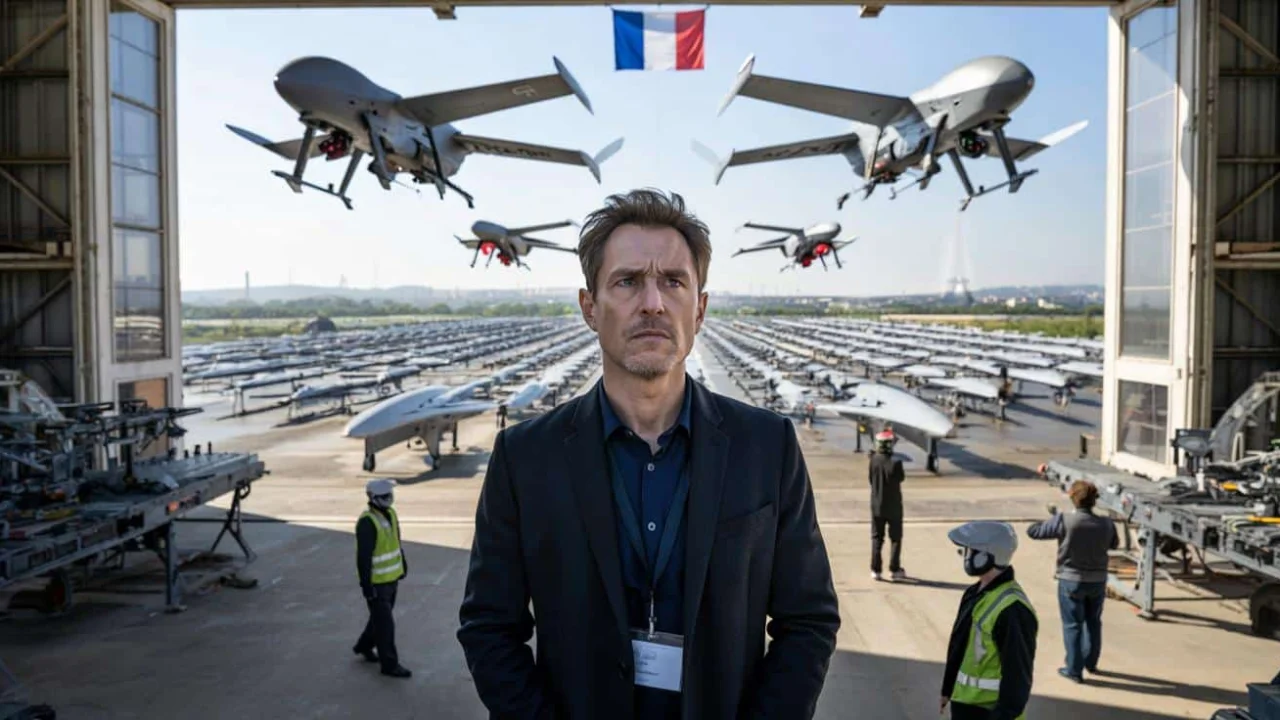
Today, that same man is reshaping Europe’s defense landscape from a sleek office in France, churning out military drones for Ukraine while plotting the construction of what could become Europe’s largest drone manufacturing facility.
His story reads like a thriller novel, but it’s unfolding in real-time across European boardrooms and Ukrainian battlefields.
From Siberian Physicist to Defense Industry Powerhouse
Kokoritch’s journey began 6,000 kilometers from Moscow in Buryatia, a remote Russian region bordering Mongolia. Growing up on the edge of Siberia shaped more than his geography—it forged his independent streak.
“I was part of the only free generation of Russians,” he explains, referring to those who came of age during the chaotic 1990s before Putin’s iron grip tightened. That freedom didn’t last long.
As a trained physicist with deep roots in Russia’s high-tech and space sectors, Kokoritch built substantial wealth during the early 2000s. But watching the Kremlin’s authoritarian stranglehold intensify, he made a choice that would change everything. In 2012, he packed his life into suitcases and left Russia forever.
The transition wasn’t smooth. Like many Russian dissidents abroad, Kokoritch faced constant pressure from Moscow’s long arm. His response? In 2024, he formally renounced his Russian citizenship—a symbolic middle finger to his former homeland.

“If you are afraid of wolves, don’t go into the forest,” became his unofficial motto. The wolves, in his case, represent the Kremlin and its sprawling security apparatus.
Building Europe’s Ukraine Drone Factory Empire
What started as Destinus—an ambitious aerospace company focused on hypersonic passenger jets—pivoted dramatically when Russia invaded Ukraine in 2022. Suddenly, Kokoritch’s engineering expertise found a new, urgent purpose: military drones.
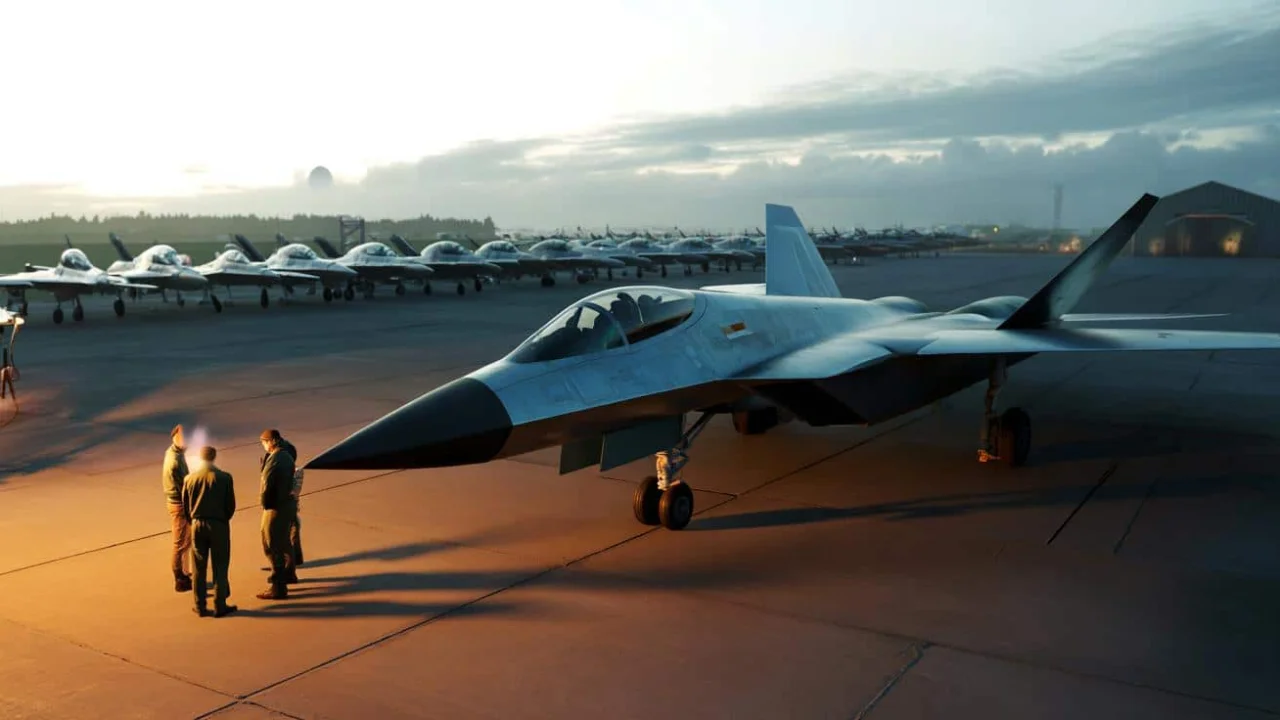
The transformation was swift and decisive. Here’s how Kokoritch’s operation currently supports Ukraine’s war effort:
- Direct drone supply contracts with Ukrainian defense forces
- Rapid prototyping and testing of specialized military UAVs
- Technical consulting on drone warfare tactics and deployment
- Training programs for Ukrainian drone operators and technicians
- Partnership agreements with other European defense contractors
European defense officials have taken notice. “Kokoritch represents exactly the kind of innovative thinking we need in the defense sector,” says a senior NATO procurement specialist. “His background gives him unique insights into both Western and Russian military technology.”
The numbers speak volumes about his operation’s rapid growth:
| Year | Drone Units Delivered | Revenue (Millions €) | Countries Served |
|---|---|---|---|
| 2022 | 150 | 8.2 | 2 |
| 2023 | 1,200 | 45.7 | 4 |
| 2024 | 3,800 | 127.3 | 7 |
But Kokoritch’s ambitions extend far beyond current production levels. His dream project—a massive Ukraine drone factory in France—could revolutionize European defense manufacturing.
The French Mega-Factory Vision That Could Change Everything
The proposed facility represents more than just expanded production capacity. Kokoritch envisions a comprehensive drone ecosystem spanning research, development, manufacturing, and training under one roof.
French officials are reportedly intrigued by the proposal, seeing it as a way to boost domestic defense capabilities while supporting Ukraine. “We’re talking about thousands of jobs and cutting-edge technology transfer,” notes a French Defense Ministry source.
The mega-factory blueprint includes several game-changing elements:
- Annual production capacity of 50,000+ military drones
- Integrated AI development labs for autonomous flight systems
- 24/7 manufacturing lines using advanced robotics
- On-site testing facilities and flight training centers
- Supply chain partnerships with 200+ European component manufacturers
What makes this Ukraine drone factory concept particularly compelling is its strategic timing. European nations are scrambling to rebuild their defense industrial base after decades of complacency. Kokoritch’s experience and proven track record make him an attractive partner.
“We’re not just building drones,” he explains. “We’re building Europe’s capacity to defend itself and support its allies. Ukraine today, but who knows what challenges tomorrow will bring.”
The project faces significant hurdles, including regulatory approvals, securing financing, and navigating complex international arms export laws. Yet Kokoritch’s team has already begun preliminary site evaluations in three French regions.
Industry analysts suggest the mega-factory could become operational within 18 months if all permits align. For Ukrainian forces currently facing chronic shortages of advanced drones, that timeline can’t come soon enough.
The broader implications extend beyond military hardware. Success could position France as a major player in the global defense drone market, currently dominated by Israeli, Turkish, and Chinese manufacturers.
“Kokoritch understands something many Western defense contractors miss,” observes a European security analyst. “Modern warfare isn’t about building fewer, more expensive systems. It’s about mass production of capable, affordable platforms that can overwhelm enemy defenses through sheer numbers.”
That philosophy—born from watching Ukraine’s innovative use of commercial drone technology—now shapes Kokoritch’s entire approach to defense manufacturing.
From a Siberian childhood to exile, from aerospace dreams to wartime reality, Kokoritch’s journey embodies the unpredictable paths that shape our world. His Ukraine drone factory vision represents more than business opportunity—it’s a bet on democracy, innovation, and the power of free enterprise to counter authoritarian aggression.
Whether the mega-factory becomes reality remains an open question. But one thing seems certain: this former Russian physicist turned European arms industrialist won’t be deterred by wolves, whether they prowl in Moscow’s corridors or Paris bureaucracy.
FAQs
Who is Mikhail Kokoritch?
He’s a Russian-born physicist who fled Russia in 2012, renounced his citizenship in 2024, and now runs a successful drone manufacturing company supporting Ukraine’s war effort.
What is Destinus and how does it support Ukraine?
Destinus started as an aerospace company but pivoted to military drone production after Russia’s 2022 invasion, now supplying thousands of drones annually to Ukrainian forces.
Where would the proposed mega drone factory be located?
The facility would be built in France, though the exact location is still being evaluated across three potential regions with French government involvement.
How many drones could the new factory produce?
The proposed Ukraine drone factory aims for an annual capacity of over 50,000 military drones, plus integrated research and training facilities.
When could the French factory become operational?
Industry analysts estimate 18 months from permit approval to full operation, though regulatory hurdles and financing could extend this timeline.
Why is this factory important for European defense?
It would reduce European dependence on foreign drone suppliers while boosting domestic defense manufacturing capabilities and supporting allies like Ukraine with affordable, high-quality military drones.
About the Author