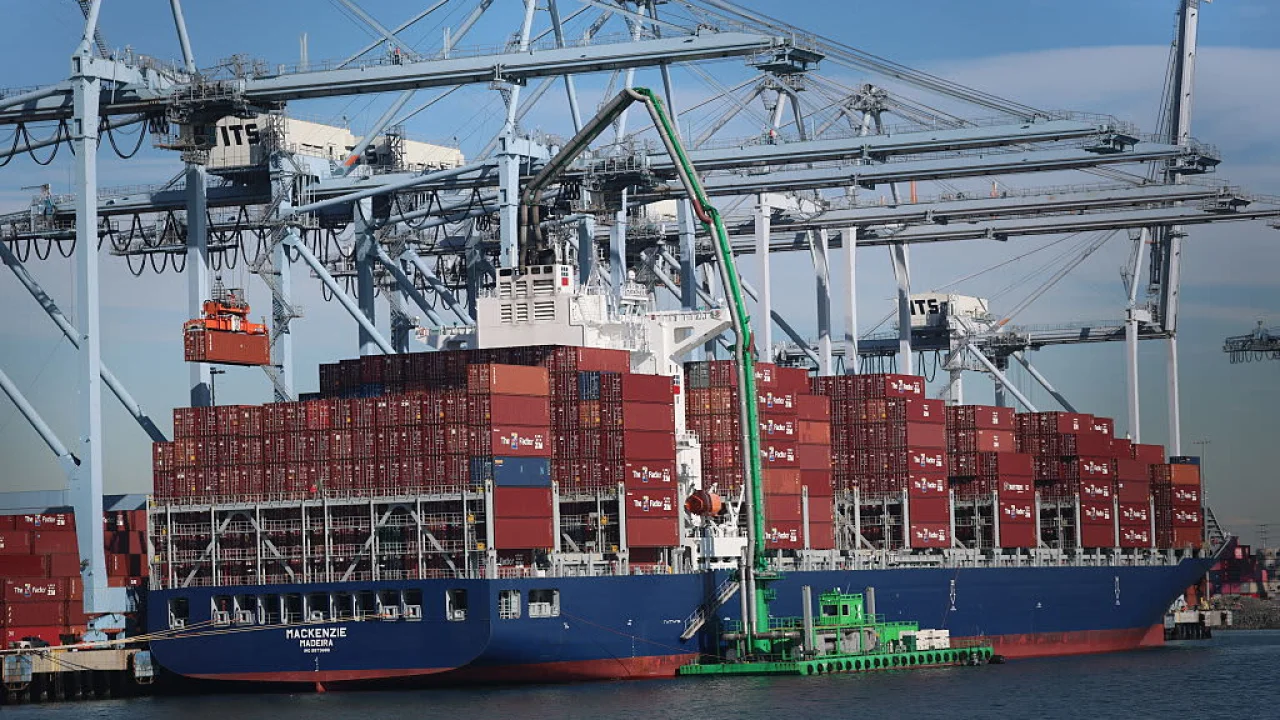
Maria Rodriguez owns a small electronics importing business in Miami, and last week she got the phone call every importer dreads. Her customs broker told her that her $50,000 bond wasn’t enough to cover the Trump tariffs on her latest shipment from China. The container sitting at the port? It wasn’t going anywhere until she could come up with an additional $15,000 to meet federal requirements.

“I’ve been doing this for twelve years, and I’ve never seen anything like it,” Maria says, scrambling to find extra funds while her customers wait for their orders. “The tariffs keep going up, but nobody warned us our bonds would need to be this much higher.”
Maria isn’t alone. Across the country, thousands of importers are discovering that Trump tariffs have created an unexpected financial maze that’s costing them more than just the duties themselves.

Record-Breaking Bond Shortfalls Hit Importers Hard
The numbers tell a stark story about how Trump tariffs are reshaping American trade. U.S. Customs data reveals that customs bond “insufficiencies” have reached unprecedented levels, creating financial headaches for businesses large and small.
For fiscal 2025, customs officials identified 27,479 bond insufficiencies worth nearly $3.6 billion. That’s double the number from 2019, when Trump’s first-term trade policies initially triggered similar problems. The scale of today’s crisis, however, far exceeds anything importers faced during his previous presidency.

“What we’re seeing is the direct result of tariff policies that have outpaced the financial systems designed to support them,” explains trade finance expert Jennifer Walsh, who has worked with customs bonds for over two decades. “Companies that thought they understood their obligations are finding themselves in completely uncharted territory.”
Customs bonds work as insurance policies that guarantee importers will pay their duties. When Trump tariffs increase the potential tax liability on shipments, the bonds must be adjusted accordingly. The problem? Many companies didn’t anticipate just how dramatically their bond requirements would surge.

The consequences are immediate and painful. Importers whose bonds fall short cannot retrieve their merchandise from ports until they secure additional coverage. This creates costly delays, storage fees, and frustrated customers waiting for products that sit locked away in shipping containers.
The Hidden Costs Beyond Tariff Payments
Understanding the full impact of these bond insufficiencies requires looking at both the numbers and the real-world disruptions they create:
| Fiscal Year | Bond Insufficiencies | Total Value | Key Policy Changes |
|---|---|---|---|
| 2019 | 13,740 | $1.8 billion | Section 301 tariffs implemented |
| 2020 | 15,200 | $2.1 billion | Trade war escalation |
| 2021 | 9,800 | $1.4 billion | Policy uncertainty |
| 2025 | 27,479 | $3.6 billion | New Trump tariffs expanded |
The financial strain extends beyond just securing adequate bonds. Companies must also deal with:
- Emergency bond premium payments that can cost thousands of dollars with little notice
- Storage fees accumulating daily while shipments remain stuck at ports
- Potential contract violations when promised deliveries don’t materialize
- Cash flow disruptions as working capital gets tied up in unexpected bond requirements
- Administrative costs from customs brokers working overtime to resolve insufficiencies
“The tariffs themselves were just the beginning,” notes customs attorney Robert Chen. “The ripple effects through the bond system are creating a secondary crisis that many businesses never saw coming.”
Small and medium-sized importers face particular challenges because they typically operate with tighter margins and less financial cushion than large corporations. When a $25,000 bond suddenly needs to become a $75,000 bond, it can threaten the viability of the entire business.
Who Gets Hit and What Comes Next
The industries feeling the greatest impact mirror those targeted most heavily by Trump tariffs. Electronics importers, like Maria’s business, face some of the steepest bond increases due to high tariff rates on Chinese technology products. Textile and apparel companies are similarly squeezed, as are manufacturers importing raw materials and components.
Geography plays a role too. Ports like Long Beach, Los Angeles, and New York handle the highest volumes of affected imports, creating bottlenecks when bond issues prevent cargo releases. Smaller regional ports, while handling fewer containers, often lack the infrastructure to quickly process bond adjustments.
“We’re seeing customers who’ve imported successfully for years suddenly unable to clear their goods,” says port logistics manager Sarah Thompson. “The backup effect creates problems for everyone, even importers whose bonds are sufficient.”
The human cost extends beyond business owners to their employees and customers. Manufacturing companies waiting for components may need to adjust production schedules or temporarily lay off workers. Retailers face empty shelves during peak selling seasons. Consumers ultimately pay higher prices as businesses pass along these unexpected costs.
Looking ahead, industry experts predict the situation could worsen before it improves. As Trump tariffs potentially expand to additional product categories or countries, more importers will likely discover their existing bonds inadequate.
“The system wasn’t designed to handle tariff increases of this magnitude,” explains trade policy analyst David Kim. “We’re essentially stress-testing financial mechanisms that worked fine under normal trade conditions.”
Some relief may come from insurance companies that issue customs bonds. Several major providers are working to streamline their approval processes for bond increases, though this often comes with higher premium costs for importers.
The broader implications extend to U.S. trade competitiveness. When American companies face additional barriers and costs to import necessary materials and products, it can affect their ability to compete globally. Some businesses are exploring alternative supply chains or considering moving operations overseas entirely.
For importers caught in the current crisis, immediate priorities include working closely with customs brokers to assess bond requirements accurately and securing relationships with multiple bond providers to ensure adequate coverage. Those planning future shipments are building larger financial buffers and exploring supply chain alternatives that might reduce tariff exposure.
FAQs
What exactly is a customs bond and why do importers need them?
A customs bond is essentially an insurance policy that guarantees the importer will pay all required duties and fees to the government. It protects the U.S. from financial losses if an importer fails to pay.
How do Trump tariffs affect bond requirements?
Higher tariffs mean higher potential tax liability, which requires larger bonds to guarantee payment. When tariffs increase dramatically, existing bonds often become insufficient to cover the new duty amounts.
What happens if an importer’s bond is insufficient?
The shipment gets held at the port until the importer secures additional bond coverage. This creates delays, storage costs, and potential supply chain disruptions.
Can companies predict when their bonds will be insufficient?
It’s challenging because tariff policies can change rapidly, and customs calculations are complex. Many companies only discover insufficiencies when their shipments arrive at U.S. ports.
Are there alternatives to increasing bond amounts?
Some importers are exploring different supply chains, changing product classifications, or adjusting import timing to minimize tariff exposure and reduce bond requirements.
How long does it typically take to resolve a bond insufficiency?
Resolution time varies from a few days to several weeks, depending on the bond amount needed and the importer’s relationship with insurance providers. Emergency processing is available but costs significantly more.
About the Author