

The recent local elections in Tower Hamlets, East London, have sparked headlines and nationwide scrutiny after a councillor was elected from over 5,000 miles away. In what experts are calling a “democratic anomaly,” this unprecedented case has raised questions about eligibility, representation, and how legal precedent shapes the rules of local governance. The decision underscores both the strengths and vulnerabilities of electoral systems post-pandemic, especially in accommodating remote candidates while maintaining voter trust.

Former Poplar and Limehouse parliamentary candidate, who was elected as a councillor in a boundary-changed Tower Hamlets ward, reportedly resides long-term in Bangladesh. Despite residing abroad, the candidate successfully stood in the election due to technical eligibility under UK electoral rules. The response from residents, political opponents and election watchdogs has been loud and swift, prompting reflection on whether existing rules align with modern democratic expectations. Could Tower Hamlets’ experience set a national precedent, or will it lead to regulatory tightening?
Key facts about the Tower Hamlets election anomaly
| Location | Tower Hamlets, East London |
| Position Contested | Councillor seat in newly redrawn ward |
| Candidate’s Residence | Long-term in Bangladesh |
| Distance from London | Approximately 5,000 miles |
| Key Debate | Voter representation vs. eligibility compliance |
| Outcome | Candidate elected as councillor |
Winners and losers in the Tower Hamlets outcome
| Winners | Losers |
|---|---|
| The elected councillor | Local constituents seeking active representation |
| Political operatives exploiting legal loopholes | Opposition parties demanding reform |
| Policy reform advocates | Public confidence in local democracy |
What changed this year in Tower Hamlets
Boundary changes affected several wards in Tower Hamlets, prompting new candidacies and reshuffling political strategies. One of the newly redrawn wards opened the door for this unusual outcome—a candidate winning a seat while being based abroad. Local elections in the UK often rely on physical presence, not just for campaigning but for voter assurance. However, the pandemic-prompted acceptance of virtual campaigning and remote work culture may have influenced broader leniency in candidate assessment.

In this case, the candidate reportedly maintained an address within the borough and was able to satisfy the legal requirement of residence or association, even if in practice their physical location was elsewhere. That technicality proved sufficient for ballot eligibility and has now spotlighted a crack in the process. Residents may wonder: should someone who hasn’t set foot in the borough for months—or years—be allowed to represent it politically?
Who qualifies and why it matters
Under UK electoral law, anyone wishing to stand as a local councillor must meet a mix of criteria, including being at least 18 years old, a British citizen, and either registered to vote in the locality or having lived, worked, or owned property in the borough in the previous 12 months. In this particular case, the candidate met the basic statutory qualifications by virtue of maintaining a legal address within the borough—even while residing in Bangladesh.
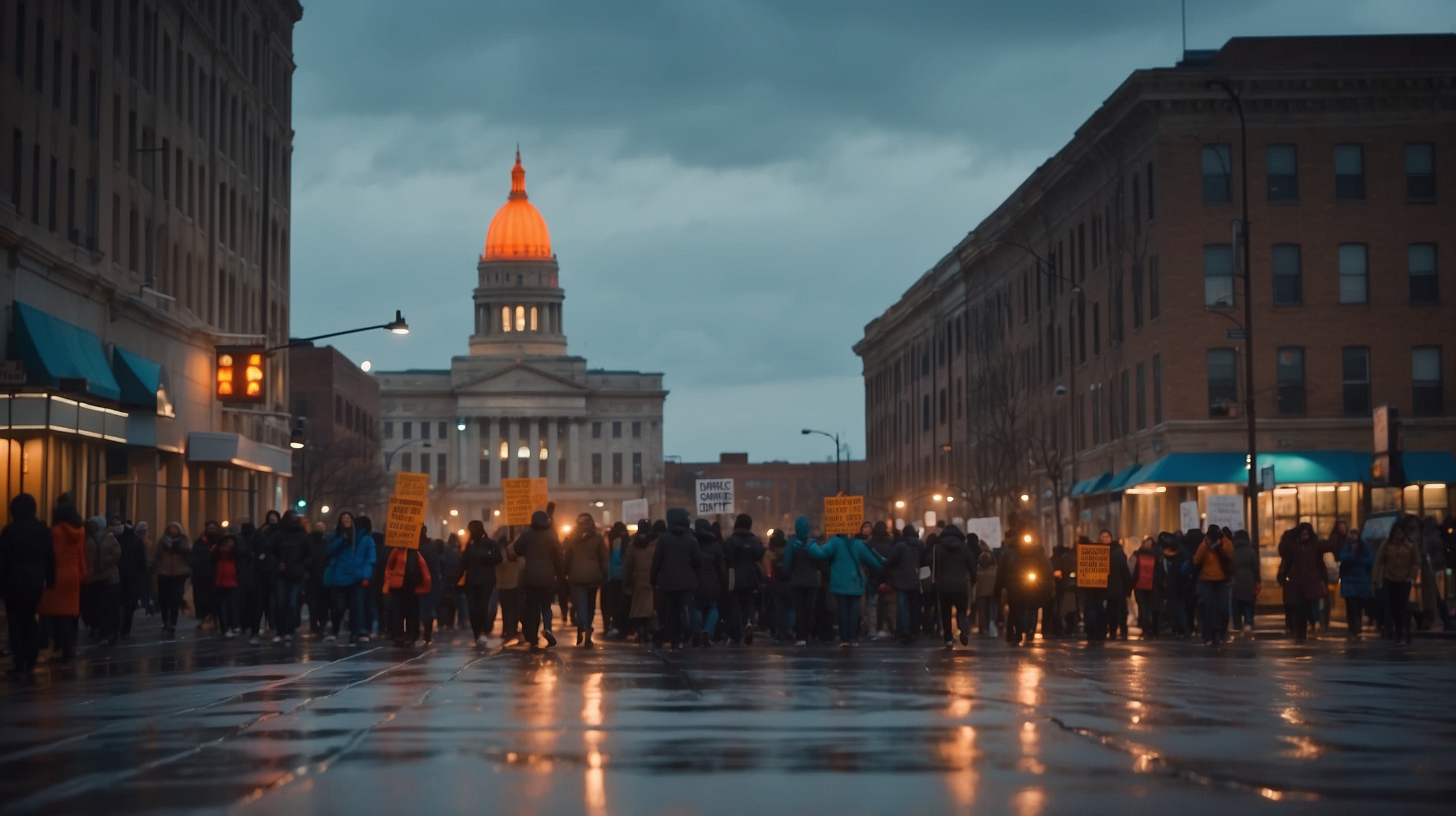
Critics argue that while the letter of the law may have been upheld, the **spirit of democracy** was not. Voters expect a councillor to be embedded in local issues—accessible, responsive, and accountable.
“This election result is a wake-up call. Our system must better reflect the realities of modern representation without compromising core democratic principles.”
— Karen Jones, Electoral Law SpecialistAlso Read Winter Storm Driving Warning: What to Do If Your Car Breaks Down on a U.S. Highway
Political fallout and community reaction
Previous elections in Tower Hamlets have already attracted national attention due to controversy around mayoral elections and allegations of electoral mismanagement. This latest revelation adds another chapter to a borough described by some as ground zero for democratic stress tests. Several opposition parties have called for an investigation into how the candidate was approved and whether changes to qualification rules are needed going forward.
Local residents have expressed a mix of outrage and confusion. Many feel betrayed, believing that representation is impossible when their councillor is absent not just in meetings, but from the country entirely. Others worry about the precedent this could set for future remote candidacies.
“I voted thinking this person lived down the road. Now I hear he’s 5,000 miles away? That’s not representation. That’s deception.”
— Ayesha Rahman, Tower Hamlets Resident
Growing calls for regulatory reform
Legal experts suggest that this case could accelerate the need for reform in electoral eligibility guidelines. Technology now allows many aspects of civic duty to be performed remotely, but voters still demand proximity and presence from their elected officials. Should location matter in an increasingly digital world? Or will continued physical disengagement chip away at democratic legitimacy?
Lawmakers will soon have to balance inclusion and flexibility with accountability and localism. New proposals may include requiring documented physical presence within a community during the candidacy period, or mandatory on-the-ground engagement during campaign cycles.
“The law has to evolve, but representation must still feel real. Constituents deserve more than compliance—they deserve presence.”
— Dr. Liam Moor, Political Governance Analyst
Global comparisons and historical precedents
Internationally, few democracies allow full political candidacy from outside national borders. In most European contexts, physical residency is closely scrutinised. However, diasporic politics in countries with large migrant populations often involve overseas candidacies and remote participation. In that light, the Tower Hamlets case isn’t entirely unique but stands out sharply against the UK’s typically hyper-local governance standards.
There are rare precedents in British politics where candidates resided abroad temporarily, such as during military service or diplomatic appointments, but their physical distance was well-documented and understood. This case differs in that the absence was not made transparent during the campaign period—a fact now causing calls for clearer disclosure requirements in future ballots.
How this could affect future elections
Political campaigns in urban constituencies may now employ more strategic interpretations of the law, emboldened by the Tower Hamlets outcome. Parties might search for candidates with long-standing ties to communities but located globally, betting that legal nuances will support their eligibility. Such approaches could reshape local councils, but at what democratic cost?
Also under discussion is the role of election officers and returning officers. Should their vetting criteria include inquiries into real-time location and accessibility of a candidate? And should the public have the right to full background disclosures beyond a name on a ballot?
What watchdogs and electoral commissions say now
While the Electoral Commission has yet to weigh in officially, pressure is mounting. Cross-party calls for tighter definition of residency requirements are growing. Watchdog agencies are reportedly reviewing similar cases across the UK to determine the scale and urgency of this eligibility loophole. Results from these inquiries could produce legal guidelines within the next year.
“This isn’t just about one seat. It’s about public trust. If people feel the system can be gamed, we all lose.”
— Sarah Ellington, Civic Engagement Advisor
Frequently Asked Questions
How was the Tower Hamlets councillor elected while living abroad?
The candidate maintained a registered address in the borough, which met legal eligibility criteria despite living in Bangladesh.
Is it legal to run for local office while living overseas?
Yes, if the candidate meets at least one of the four eligibility conditions like being a registered voter, owning property, or having a work address in the borough within the last year.
Will this result be overturned?
Currently, there are no indications that the election will be voided, but there are ongoing discussions about rule changes to prevent future occurrences.
How did voters find out about the councillor’s location?
Media reports and opposition investigations revealed the councillor’s long-term residence in Bangladesh after the election.
Can residents challenge this legally?
Residents can file official election petitions, but success would depend on proving misinformation or procedural error.
What reforms are being proposed?
Possible reforms include a redefinition of “residency,” mandatory physical presence thresholds, and improved transparency requirements during candidacy applications.
Does this affect the legitimacy of the entire council?
No, the issue pertains to one seat, though it has led to broader scrutiny of candidacy procedures council-wide.
Will remote candidacies increase in future elections?
Possibly. This example could inspire more globally based individuals to test the limits of eligibility laws unless reforms are introduced.
About the Author