Picture a ten-year-old girl on a movie set in 1961, nervously adjusting her costume as crew members bustled around her. Mary Badham had no idea she was about to work alongside someone who would become one of Hollywood’s greatest legends. She was just a kid from Birmingham, Alabama, trying not to mess up her lines in what would become one of cinema’s most beloved films.
That legendary actor was Robert Duvall, and their brief but powerful scenes together in “To Kill a Mockingbird” would create movie magic that still resonates with audiences today. Following Duvall’s recent passing at age 95, Badham’s heartfelt memories of their collaboration offer a touching glimpse into the making of this timeless classic.
The 1962 film adaptation of Harper Lee’s Pulitzer Prize-winning novel marked a pivotal moment for both actors, though neither could have predicted the lasting impact their work would have on American cinema.

When Two Future Stars First Met on Set
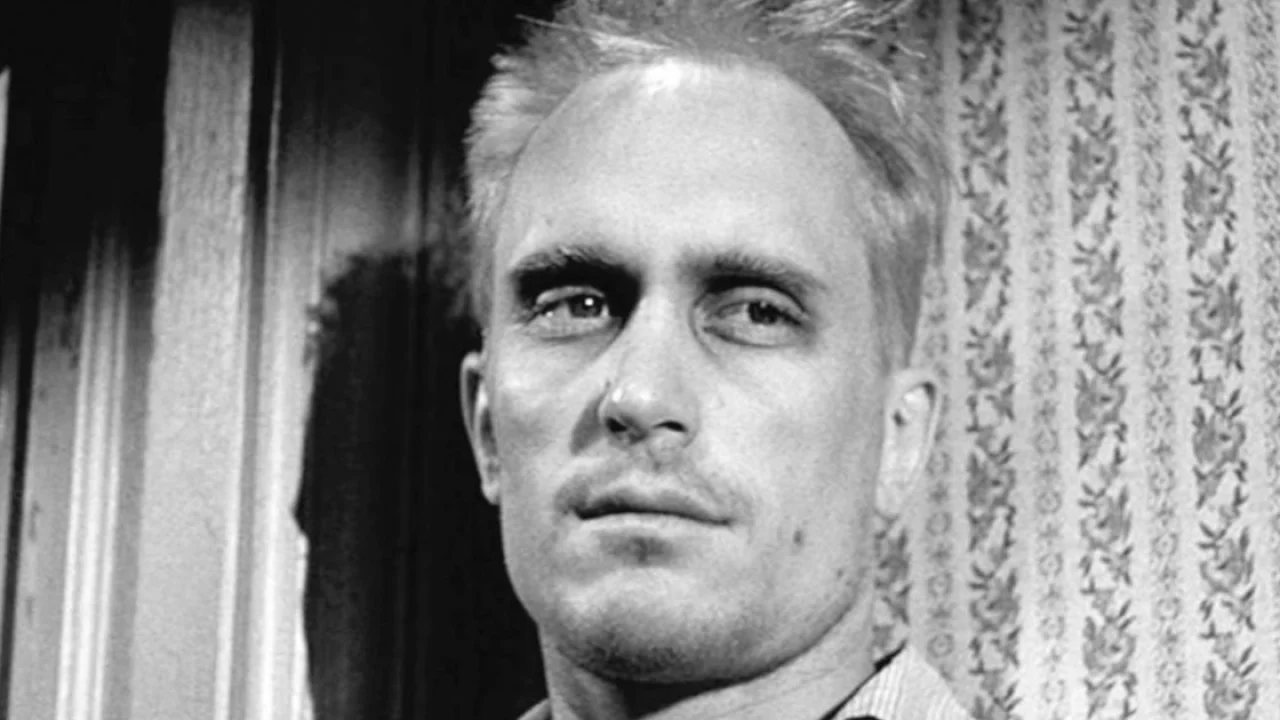
Robert Duvall’s portrayal of Arthur “Boo” Radley in “To Kill a Mockingbird” represented one of his earliest film roles, years before he would captivate audiences as Tom Hagen in “The Godfather.” Yet even as a relatively unknown actor, Duvall brought an ethereal quality to the mysterious character that perfectly captured Harper Lee’s vision.
Mary Badham, who played Scout Finch, recently shared her memories of working with Duvall during those crucial filming days. “We really didn’t know each other very well at all,” Badham recalled in a recent interview. “We only had one day to work together, maybe two.”
The limited interaction between the two actors wasn’t accidental. Director Robert Mulligan deliberately kept them separated until their pivotal scene together. “Mr. Mulligan, who was a brilliant director, held us from seeing each other until the scene at the door,” Badham explained.
This creative decision proved genius. When Scout finally encounters Boo Radley face-to-face in the film’s climactic moments, the genuine surprise and wonder in Badham’s performance feels completely authentic. She truly was seeing Duvall’s interpretation of the character for the first time.
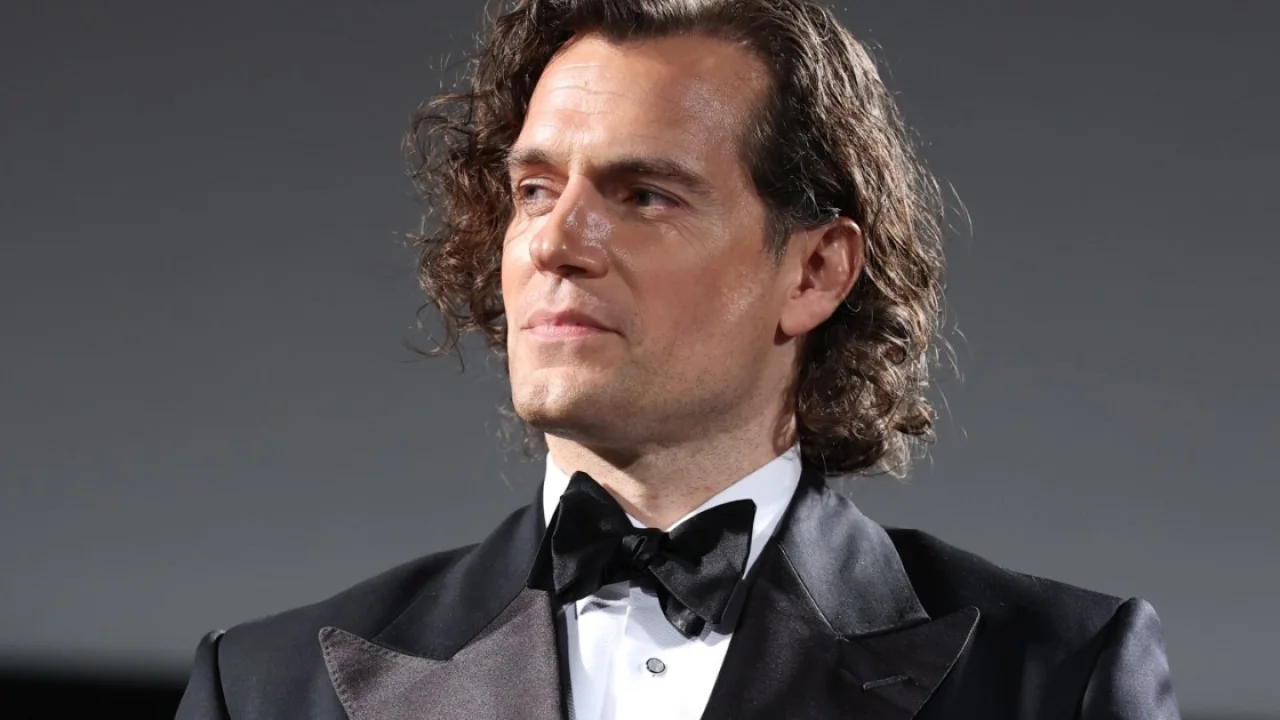
The Magic Behind Duvall’s Perfect Boo Radley
Badham’s assessment of Duvall’s performance remains glowing more than six decades later: “He was perfect.” Her words carry special weight, given that she experienced the character through a child’s eyes, much like Scout herself.
“It was really easy to believe him as Boo,” Badham remembered. “As a child, I was able to just accept what I was seeing.” This natural believability speaks to Duvall’s remarkable ability to embody complex characters, even in his earliest roles.
| Aspect | Details |
|---|---|
| Character | Arthur “Boo” Radley |
| Screen Time | Approximately 5 minutes |
| Key Scenes | Saving the children, meeting Scout |
| Filming Duration | 1-2 days with Mary Badham |
| Duvall’s Age | 31 years old |
The character of Boo Radley required an actor who could convey vulnerability, gentleness, and hidden strength without extensive dialogue. Duvall’s nuanced performance accomplished this through subtle facial expressions and body language that spoke volumes about the character’s inner world.
“He had this quality that made you want to protect him, even though he was the one protecting us in the story,” film historian Margaret Chen notes. “Duvall understood that Boo wasn’t just mysterious – he was profoundly human.”
How This Role Shaped Two Legendary Careers
For Mary Badham, “To Kill a Mockingbird” earned her an Academy Award nomination for Best Supporting Actress at just ten years old, making her the youngest nominee in that category at the time. The film launched her into Hollywood’s spotlight, though she would later choose to step back from acting to focus on her education and family.
Duvall’s journey took a different trajectory. His haunting portrayal of Boo Radley showcased his ability to disappear into characters, a skill that would define his illustrious career. Within a decade, he would earn critical acclaim in films like “The Godfather,” “Apocalypse Now,” and “The Great Santini.”
The film itself became a cornerstone of American cinema, addressing themes of racial injustice, moral courage, and childhood innocence that remain painfully relevant today. Gregory Peck’s Atticus Finch became an iconic figure, while the supporting performances, including Duvall’s brief but memorable turn, provided the emotional foundation that made the story so powerful.
Cinema professor David Martinez observes, “What’s remarkable about ‘To Kill a Mockingbird’ is how every performance, no matter how small, contributes to the film’s overall impact. Duvall’s Boo Radley represents hope and unexpected kindness in a world that often seems cruel.”
The Lasting Impact of Their Brief Collaboration
The scenes between Scout and Boo Radley represent some of the most emotionally resonant moments in “To Kill a Mockingbird.” Their interaction captures the novel’s central message about looking beyond surface appearances to find the humanity in others.
Badham’s memories of working with Duvall extend beyond their professional collaboration. She recalls his kindness and professionalism, qualities that made an impression on her young mind. “Even as a child, I could tell he took the work seriously,” she reflects. “He treated everyone with respect, which wasn’t always the case on movie sets back then.”
The film’s enduring popularity has meant that Badham and other cast members have spent decades discussing their experiences making the movie. At fan conventions and film festivals, audiences consistently ask about working with the legendary actors who brought Harper Lee’s characters to life.
Key elements that made their scenes work include:
- Duvall’s instinctive understanding of Boo’s gentle nature
- Badham’s genuine, unguarded performance as Scout
- Director Robert Mulligan’s careful orchestration of their meeting
- The authentic chemistry between all the young actors
- Faithful adaptation of Harper Lee’s source material
Literary adaptation expert Sarah Thompson explains, “The success of ‘To Kill a Mockingbird’ lies in how perfectly the casting matched Lee’s characters. Duvall didn’t just play Boo Radley – he became him for those crucial moments.”
Remembering a Hollywood Legend
Robert Duvall’s death marks the end of an era in American cinema. His career spanned over six decades, during which he earned seven Academy Award nominations and won once for Best Actor in “Tender Mercies.” Yet for many fans, his earliest role as the mysterious Boo Radley remains among his most touching performances.
Badham’s tribute to her late co-star reflects the sentiments of countless colleagues who worked with Duvall throughout his remarkable career. His dedication to his craft, combined with his genuine humanity off-screen, earned him respect across the industry.
The film continues to be studied in schools across America, introducing new generations to its powerful themes and memorable characters. Teachers often use the movie to discuss everything from American history to character development in literature.
“Every time I watch those final scenes with Boo and Scout, I’m reminded of why we fell in love with movies in the first place,” notes film critic James Robertson. “It’s pure storytelling magic, and Duvall was a huge part of making that magic happen.”
FAQs
How long did Robert Duvall and Mary Badham work together on To Kill a Mockingbird?
They worked together for only one or two days during filming, as director Robert Mulligan deliberately kept them separated until their crucial scenes together.
Was To Kill a Mockingbird Robert Duvall’s first movie role?
It was one of his earliest film roles, though he had appeared in a few other productions before landing the part of Boo Radley in 1962.
How old was Mary Badham when she filmed To Kill a Mockingbird?
Mary Badham was just 10 years old during filming, making her Academy Award nomination for Best Supporting Actress particularly remarkable.
What made Robert Duvall perfect for the role of Boo Radley?
According to Mary Badham, Duvall had a natural quality that made him believable as the gentle, mysterious character, requiring minimal dialogue but maximum emotional impact.
Did Mary Badham stay in touch with Robert Duvall after filming?
While they didn’t work closely together due to their limited shared scenes, Badham has consistently spoken fondly of Duvall’s professionalism and kindness during their brief collaboration.
How has To Kill a Mockingbird influenced modern cinema?
The film remains a benchmark for literary adaptations, demonstrating how careful casting and direction can bring beloved characters to life while addressing serious social themes.
About the Author