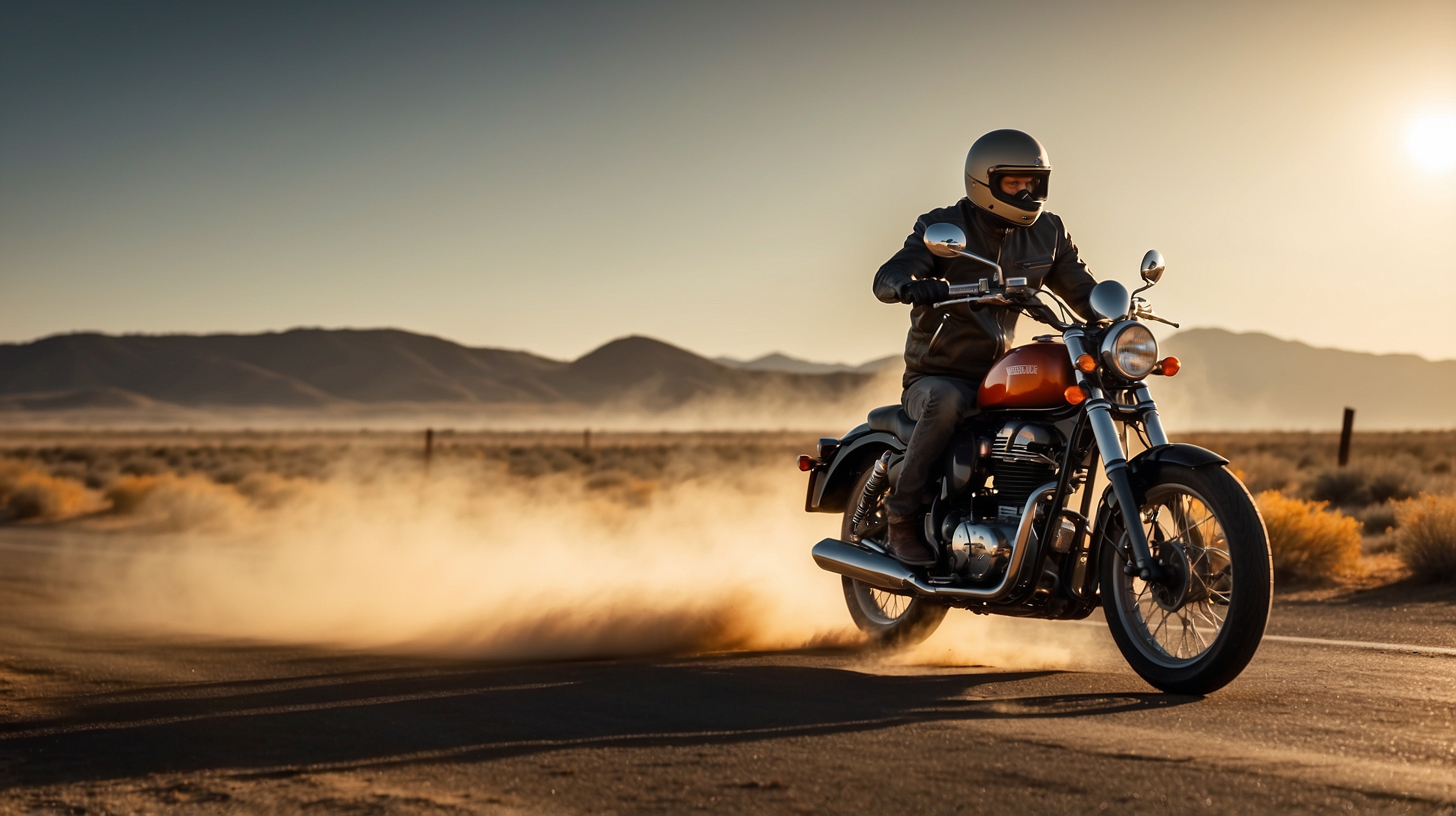

When Americans think motorcycles, iconic brands like Harley-Davidson often come roaring to mind. Yet in a surprising twist that might upend some long-held assumptions, the top-selling motorcycle brand in the U.S. is not Harley. In fact, the brand that captures the most attention—and wallets—might not be what most enthusiasts expect. This unexpected leader has continued to expand its market share with consistent performance, innovative design, competitive pricing, and a reputation for both reliability and fun.

While names like Ducati and Indian draw passionate followings, the motorcycle brand that Americans buy most isn’t necessarily the flashiest or the loudest—it’s the one that consistently delivers where it counts. The latest industry data reveals how consumer preferences are evolving in a dynamic two-wheeled marketplace. Whether it’s for daily commuting, off-road adventure, or track-day thrills, U.S. consumers are choosing their motorcycles more carefully than ever—and the numbers speak volumes.
At a glance: Who’s riding off with the most market share
| Brand | Estimated U.S. Sales | Key Selling Points |
|---|---|---|
| Honda | Over 300,000 units | Affordability, reliability, diverse offerings |
| Harley-Davidson | Approximately 135,000 units | Iconic styling, American roots, cruiser segment leader |
| Yamaha | Estimated 90,000+ units | Performance, off-road options, sportbike segment |
| Kawasaki | Estimated 80,000 units | Sporty image, competitive pricing |
| BMW | Approx. 20,000 units | High-end touring, adventure models |
What changed this year in motorcycle sales leadership
A significant shift in favor of **Japanese motorcycle brands**, especially Honda, marks the current landscape of motorcycle sales in the U.S. With versatile offerings that span from beginner-level 125cc bikes to premium adventure and touring motorcycles, Honda has cornered a wide segment of the market. Their ability to nail the pricing sweet spot while maintaining sturdy engineering has helped them surpass traditionally dominant players.

Honda’s dominance isn’t new globally, but in the U.S., it defies older norms where domestic legacy brands like Harley-Davidson were once assumed to always lead. This shift is influenced by a changing demographic: younger, urban riders seeking a smaller footprint, fuel economy, and lower total cost of ownership. Simultaneously, Honda’s reputation for **top-tier reliability** gives it a crucial edge among risk-averse buyers.
The appeal of Honda motorcycles in the U.S. market
The American consumer’s growing interest in Honda motorcycles stems from a variety of interconnecting reasons. First, Honda has made it a priority to offer beginner-friendly models like the **Honda Rebel 300** and **CB500X**, while also catering to experienced riders with premium options like the **Africa Twin** and the **Gold Wing**.

Additionally, Honda’s ability to blend **technology features like ABS, ride modes, and smartphone integration**—even in mid-tier models—gives it a strong value proposition. Whether commuters looking for a quick, affordable ride or adventure seekers requiring rugged dependability, Honda provides an accessible path into motorcycle ownership.
Honda has done an exceptional job standing out by balancing price, performance, and reliability—it’s the Swiss army knife of motorcycle brands.
— Jason Powers, Powersports Dealer ConsultantAlso Read Turning up the thermostat but still cold? Experts explain what’s really going on
How Harley-Davidson stays relevant despite being dethroned
Even though Harley-Davidson lost its top spot in raw unit numbers, the brand maintains an iron grip on the **cruiser and touring market segments**, and it still commands immense cultural cachet. Harley is not just a motorcycle company—it’s an American institution. Buyers remain loyal to the brand’s unique aesthetic, rumbling engines, and lifestyle appeal.
To stay relevant, Harley-Davidson has recently made inroads into new territory with models like the **Pan America**, an adventure bike made to compete with BMW and Ducati. Its LiveWire electric motorcycles are also gaining attention from next-gen riders seeking eco-conscious alternatives while maintaining that Harley DNA.
Harley-Davidson knows its lifestyle-first approach won’t appeal to everyone anymore—but it’s adapting in smart ways without losing its soul.
— Erin Weiss, Motorcycle Market Analyst
Why versatility and affordability drive Yamaha and Kawasaki strongholds
Yamaha and Kawasaki continue to perform well in categories like sportbikes, dual-sport, and youth motorcycles. Yamaha’s **MT-series**, which includes favorites like the MT-07 and MT-09, boast mid-range torque and rideability that appeal to both novices and returning riders. Kawasaki’s **Ninja and Z-lines** remain staples on dealership floors nationwide for good reason.
Both brands offer motorcycles packed with features many would expect only in more expensive models: fuel injection, traction control, ride-by-wire throttles, and performance ABS. This tech focus allows them to win over consumers who prioritize performance and innovation over brand cachet.
Emerging threats and rising stars in the U.S. motorcycle arena
European brands like KTM and Ducati have seen increasing interest due to an uptick in adventure riding. Additionally, smaller electric motorcycle companies are progressively entering the arena with rideable and now more affordable options. While they haven’t overtaken the giants yet, their future impact cannot be ignored as regulations tighten around emissions and urban mobility squeezes larger combustion engines.
Meanwhile, American startup brands are trying to revive domestic manufacturing appeal, but supply chain issues and lack of dealership coverage have been limiting factors. The big takeaway: innovation and rider experience continue to drive market leadership more than name recognition alone.
Winners and losers in today’s motorcycle market
| Winners | Why They Win |
|---|---|
| Honda | Broad market appeal, reliable engineering, beginner-friendly models |
| Yamaha | Strong in performance and off-road segments, tech-forward |
| KTM | Gaining ground in adventure/tour segment |
| Losers | Why They Slip |
| Suzuki | Limited new model introductions, low market visibility |
| Electric-only startups | Support and infrastructure issues, cost challenges |
What this trend means for new riders
New riders entering the scene today have more options than ever—and more importantly, more practical ones. The dominance of brands like Honda demonstrates a shift away from intimidation and exclusivity to **accessibility, simplicity, and versatility**. Affordable entry-level motorcycles are pivotal for expanding the ridership base, ensuring that motorcycling remains sustainable and inclusive.
Additionally, rider safety courses, bundled features like anti-lock brakes, and ergonomic designs are influencing first-time buyers to favor function over fashion. This creates an industry where good design isn’t only for the expensive models. Now, aspiring riders can start with a dependable bike that grows with them.
Short FAQs about motorcycle buying trends in the U.S.
Which motorcycle brand sells the most in the United States?
Honda currently leads the U.S. motorcycle market in terms of units sold, thanks to its affordability and reliability.
Is Harley-Davidson still a popular motorcycle brand?
Yes, Harley-Davidson remains highly popular, especially in the cruiser and touring segments, although it no longer holds the top spot in unit sales.
What’s the best motorcycle for new riders?
Models like the Honda Rebel 300, Yamaha MT-03, and Kawasaki Ninja 400 are consistently recommended for new riders.
Are electric motorcycles gaining traction in the U.S.?
Yes, but their market share is still small. Brands like LiveWire and Zero are leading the way in electric models.
Why are Japanese motorcycle brands so dominant?
They offer affordable, reliable, and versatile models that meet the needs of a broad rider base, from beginners to pros.
What’s the most affordable motorcycle right now?
The Honda Grom and Kawasaki Z125 Pro are two of the most budget-friendly options currently on the market.
Are motorcycles safer now than in the past?
Yes, many modern motorcycles come equipped with ABS, traction control, and other safety technologies that enhance rider protection.
Who makes the best adventure motorcycles?
BMW, Honda, and KTM are often hailed as leaders in the adventure motorcycle category.
About the Author