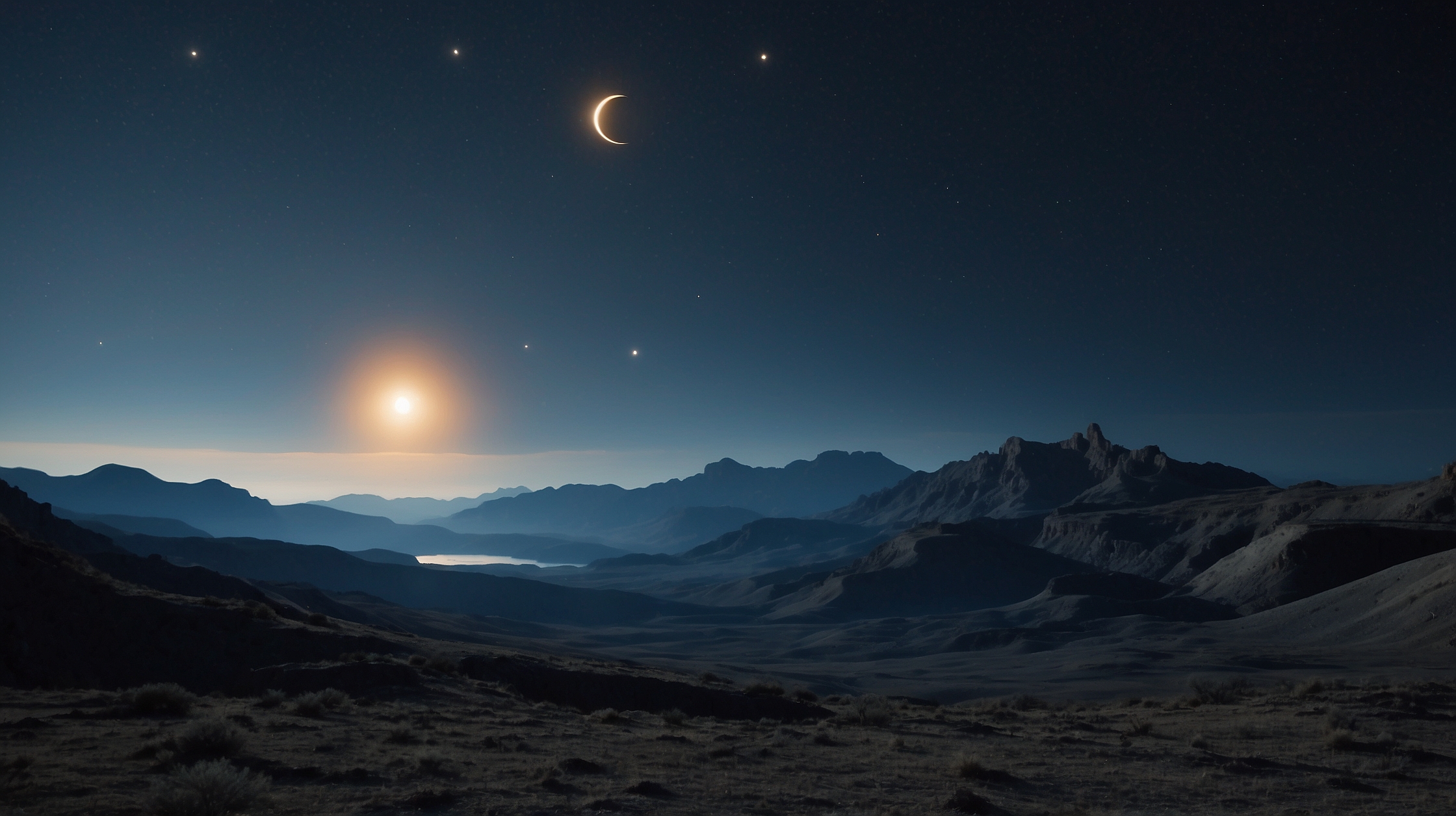

The world recently witnessed a celestial marvel that stunned scientists, observers, and skywatchers alike: a rare solar eclipse that many are calling “The Eclipse of the Century.” This astronomical event captivated millions who gathered in prime viewing locations across the globe, looking upward in awe as the moon perfectly aligned with the sun, casting an ethereal twilight over the earth during daylight hours. With technology and media coverage at their peak, the spectacle went viral, flooding social feeds and igniting a global enthusiasm for astronomy not seen in decades.
What made this particular eclipse so exceptional wasn’t just its path or duration—it was the perfect mix of rarity, visibility, and timing. Solar eclipses happen regularly, but few offer such wide accessibility and cinematic beauty. Scientists also took this as a golden opportunity to conduct advanced atmospheric and solar research, leveraging cutting-edge tools now unavailable in past eclipses. From schoolchildren with cardboard viewers to astronomers wielding infrared telescopes, this eclipse unified generations and disciplines in a rare moment of cosmic wonder.
Quick facts about the Eclipse of the Century
| Event Name | The Eclipse of the Century |
| Date | April 8, 2024 |
| Type | Total Solar Eclipse |
| Duration of Totality | Up to 4 minutes and 28 seconds |
| Maximum Visibility | Across parts of North and Central America |
| Next Similar Event | August 23, 2044 |
Why this eclipse was different from others
Eclipses are common in astronomical terms, but **very few total solar eclipses** occur in populated areas where large segments of society can see them in person. What made the 2024 eclipse so noteworthy was its path—spanning across multiple highly developed and densely inhabited regions—combined with optimal weather, extended duration, and scientific readiness. It became the perfect storm of celestial majesty and human fascination.

The duration of totality, in particular, surpassed most eclipses in recent history. While many are lucky to offer a minute or two of total darkness, this one allowed up to 4 minutes and 28 seconds in some locations, making it one of the longest in decades. This extended visual event provided scientists and photographers a rare window for detailed observation.
Global reactions and public participation
From viewing parties in Mexican deserts to rooftop gatherings across American cities, public engagement reached new heights. Educational institutions distributed protective glasses while local governments organized public viewing stations, making accommodations for safe and enjoyable experiences. Aircrafts were even chartered to follow the eclipse path for extended viewing from the sky.

“This wasn’t just a science event—it was a cultural moment. Entire communities paused and looked up together. That’s rare in today’s fast-paced world.”
— Dr. Evelyn Torres, Astrophysicist

Social media erupted with real-time reactions, awe-struck videos, and breathtaking photography. Astronomy-themed hashtags trended globally. Celebrities, educators, and influencers joined the wave, reiterating the deep cultural pull of natural events that humble the world simultaneously. Schools reported heightened interest in science and space topics following the event.
Scientific breakthroughs during the eclipse
Researchers used this eclipse to test new solar imaging techniques, measure shifts in Earth’s magnetosphere, and study the rarely observable solar corona. Satellites and high-altitude balloons monitored energy flux, while ground telescopes captured polarization data. One particularly innovative mission involved autonomous drone swarms recording light spectra at different altitudes, a first in solar eclipse history.
“We gathered more high-resolution coronal data in four minutes than we had in the last decade. This will change heliophysics models.”
— Dr. Sameer Gupta, Solar Physicist
NASA and global partners coordinated observations across continents and altitudes, turning this eclipse into a coordinated event similar in scale to major space launches. AI algorithms trained on prior eclipses were also deployed in real time to predict and verify solar behavior—a significant step forward for astrophysical modeling.
Economic and cultural impact across regions
Tourism soared in the key regions along the eclipse path. Hotels in prime viewing areas sold out months in advance, and some locations witnessed record-breaking visitor numbers. Local businesses—from food vendors to outdoor gear retailers—experienced a surge in activity. Economists noted a positive bump in local economies hosting eclipse tourists.
Culturally, the eclipse also revived ancient traditions in communities historically tied to celestial events. Festivals, music performances, and spiritual gatherings accompanied the eclipse in various regions, blending ancestral knowledge with modern science.
Winners and losers of the eclipse event
| Winners | Losers |
|---|---|
| Skywatchers and photographers with clear skies | Regions affected by cloud cover or storms |
| Local tourism industries along the eclipse path | Overbooked cities unable to manage crowd flow |
| Researchers and scientists collecting unprecedented data | Amateur observers without proper eye protection |
| Students and schools using the event for science enrichment | Unlicensed vendors selling fake eclipse glasses |
How to prepare for the next major eclipse
While this eclipse left lasting memories, it has also sparked preparation for the next major solar display in 2044. Experts suggest the following steps for eager skywatchers: start tracking eclipse paths now, plan travel early, invest in **certified solar viewing glasses**, and follow astronomy organizations that provide updated details over time.
“Plan now, especially if you want accommodations in prime locations. The next eclipse may not be as accessible.”
— Laura Simmons, Eclipse Chaser
Some organizations are even developing eclipse travel apps, which will combine GPS, cloud forecasts, and traffic trends to help watchers maximize visibility. Educational kits, public telescope access, and international observation stations are also expected to improve ahead of the next major cosmic show.
What we learned from the eclipse experience
This eclipse underscored the human yearning for wonder, connection, and learning. It reminded people worldwide that in an era dominated by tech and distraction, nature still has the final say in commanding our full attention. The event also confirmed the value of cross-disciplinary efforts—bringing together science, education, policy, and culture for a shared experience.
The eclipse of 2024 will be remembered not just as an astronomical highlight but as a moment of global unity, reflection, and marvel. It sets a high bar for the next generation of skywatching and scientific exploration.
Frequently asked questions
What made the 2024 eclipse the “Eclipse of the Century”?
The combination of extended totality, widespread visibility in populated areas, and technological readiness made it unparalleled in modern history.
How long did the eclipse last in total darkness?
The maximum duration of totality reached 4 minutes and 28 seconds in certain regions, much longer than the average eclipse.
Which regions had the best view of the eclipse?
Parts of Mexico, the United States, and Canada experienced the best visibility with clear skies and optimal eclipse geometry.
What kind of research was conducted during the eclipse?
Researchers studied solar corona structure, atmospheric changes, and used high-altitude drones and satellites for light analysis.
How many people viewed the eclipse live?
Estimates suggest more than 300 million people either viewed it live in person or through live broadcasts and online streams.
Is it safe to look at a solar eclipse without protection?
No. Always use certified eclipse glasses or indirect viewing tools to safely observe a solar eclipse without eye damage.
When is the next total solar eclipse?
The next similar total solar eclipse will occur on August 23, 2044, though partial eclipses may occur earlier in various parts of the world.
Did this eclipse break any records or yield major discoveries?
While not all data is analyzed yet, scientists believe it offered the cleanest coronal data in over a decade and may impact solar research significantly.
About the Author