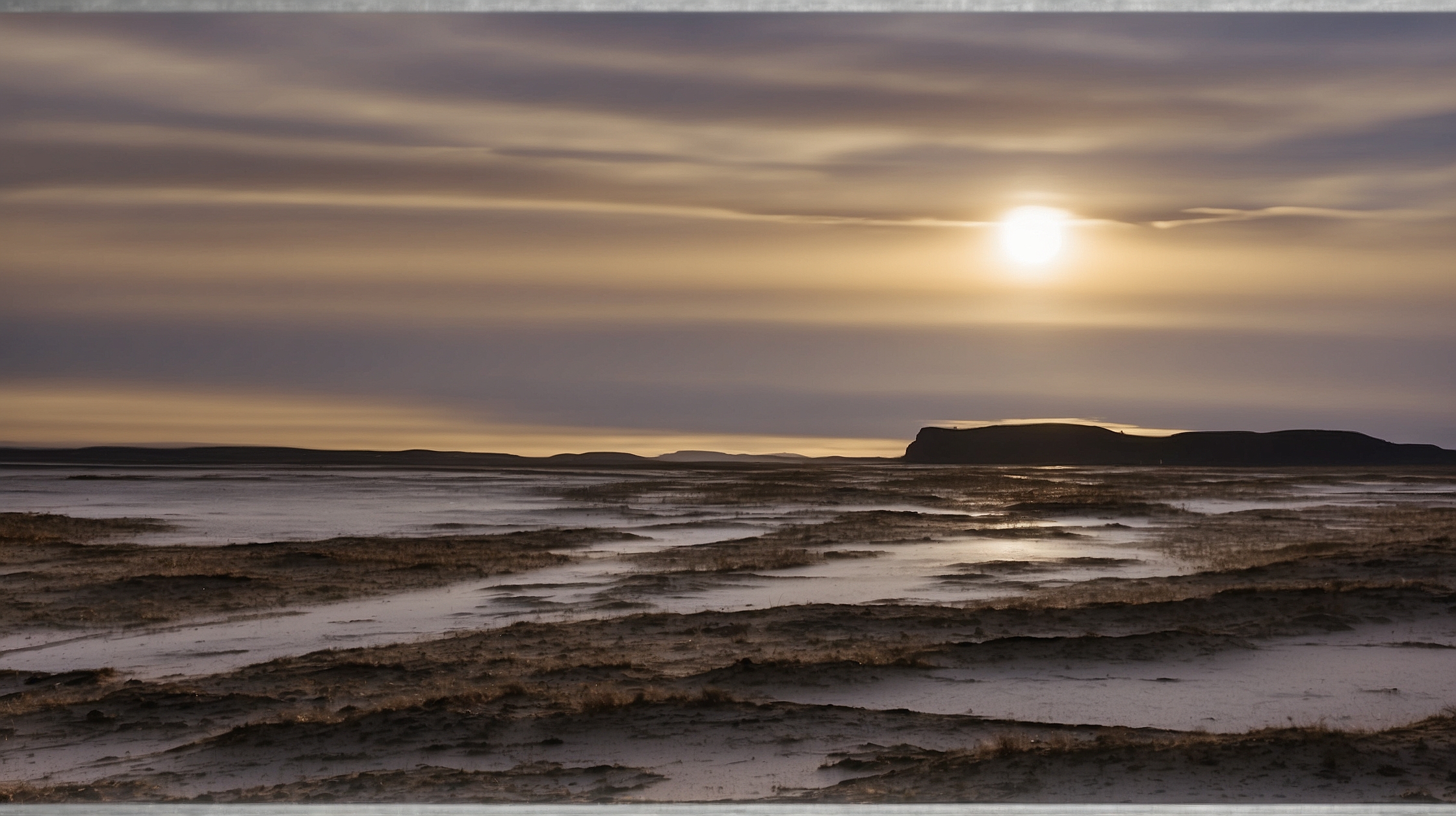

Mark your calendars, because a cosmic event of unprecedented magnificence is on the horizon. The century’s longest solar eclipse is officially set to occur on August 2, 2027, giving skywatchers a rare and extended opportunity to experience daytime darkness. With a total duration of over 6 minutes, this solar eclipse will be the longest seen in the 21st century—an awe-inspiring astronomical event that won’t be rivaled for decades. Astronomers, researchers, and thrill-seekers from around the globe are already making travel plans to be in the eclipse’s path of totality, which crosses multiple continents and some of the world’s most iconic cities.

Unlike previous eclipses that have lasted only a couple of minutes, this one will immerse viewers in darkness for a significantly extended period, making it a perfect opportunity for scientific research, education, and sheer visual spectacle. In regions where visibility will be optimal, the Moon will completely obscure the Sun for 6 minutes and 23 seconds. That’s nearly twice as long as most total eclipses. This rare celestial drama will captivate millions, and with the rise of digital technology and global interest in astronomy, it’s expected to be among the most-viewed solar eclipses in human history.
Key facts about the 2027 solar eclipse
| Date | August 2, 2027 |
| Type | Total Solar Eclipse |
| Duration of Totality | 6 minutes 23 seconds (max duration) |
| Visible In | North Africa, Middle East, parts of Mediterranean Europe |
| Peak Time | Approximately 10:05 UTC |
| Next Eclipse of Comparable Length | June 13, 2132 |
Where and when to experience the longest eclipse of the century
The 2027 solar eclipse will be best viewed along a narrow corridor commonly referred to as the path of totality. This path slices across several countries, giving a variety of geographical and cultural backdrops to the celestial performance. Among the most prominent locations in the path are Morocco, Egypt, Saudi Arabia, and Yemen. Cities like Luxor in Egypt are expected to witness total solar darkness for over six minutes, making them prime destinations for eclipse tourism and research teams alike.

For astronomy aficionados and tourists hoping to catch the best view, planning ahead is crucial. Weather conditions, geographic elevation, and access to open skies will all play a role in the quality of the eclipse viewing experience. While high-elevation locations may offer clearer skies, crowd control and infrastructure in highly populated cities may be another aspect to consider. Experts recommend booking accommodations and travel as early as possible, especially in cities like Marrakech, Luxor, and Mecca, which lie directly in the path of totality.
What makes this eclipse so unique
Solar eclipses are not particularly rare—but total solar eclipses lasting longer than 6 minutes definitely are. The last eclipse to exceed six minutes occurred in July 2009, and the next one won’t occur until 2132. The extended duration of the 2027 event is due in part to the Moon being at its perigee (closest point to Earth in its orbit), as well as the Earth being near aphelion (farthest point from the Sun). These two factors combine to allow the Moon to cover the Sun more completely, resulting in a longer period of total darkness.

This specific alignment of Earth, Sun, and Moon—where all conditions maximize viewing time—is what sets this eclipse apart. The celestial geometry required for an extended total eclipse is incredibly precise and rare, making this event a standout in an already fascinating natural phenomenon.
Scientific opportunity and global coordination
Major astronomical and space agencies around the world are already gearing up for large-scale data gathering operations. With over six full minutes of totality in ideal locations, scientists will have more time to collect high-resolution images of the Sun’s corona, measure its temperature distribution, and observe solar flares and magnetic field interactions. Educational institutions are also likely to participate by organizing live broadcasts and local science events to raise public awareness and interest in space science.

Some universities and observatories will deploy mobile observation equipment along the eclipse path, while aerospace organizations may use high-altitude aircraft to track and photograph the event above weather disturbances. Amateur astronomers are equally excited—many will set up telescopes and cameras to capture the once-in-a-lifetime moment from rooftops, fields, and deserts.
“A 6-minute eclipse is like a goldmine for solar physicists. It allows us to slow down, capture more data, and test theories that shorter eclipses don’t permit.”
— Dr. Samira Qasemi, Lead Astronomer, Global Solar Institute
How local economies and tourism will benefit
Countries in the eclipse’s path are positioning themselves to take advantage of a boom in tourism, with local authorities already planning lodging expansions, special tours, and public viewing events. Egypt, in particular, hopes to attract hundreds of thousands of visitors to cities like Luxor and Aswan. Some tour companies have already started advertising eclipse-themed vacation packages that include sky-gazing sessions guided by professional astronomers.
Local artisans and businesses may also see an increase in revenue, as tourists often seek out artwork, handmade trinkets, and culinary experiences unique to the region. The economic impact for cities and towns along the eclipse path could be substantial, offering a valuable opportunity for recovery and growth post-pandemic.
Preparation tips for travelers and viewers
To ensure a safe and fulfilling experience, travelers are encouraged to start planning now. Key considerations include:
- Book hotels as early as possible, especially in high-demand viewing destinations.
- Purchase certified solar eclipse glasses to protect eyesight during partial phases.
- Check weather forecasts regularly as the event date approaches.
- Join guided tours for expert-led viewing experiences and enhanced safety.
Additionally, some areas may offer specialized eclipse festivals featuring classes, music performances, and traditional cultural ceremonies tied to eclipse myths and histories.
“If you’ve never experienced totality before, this is the one to see. There simply won’t be another like it in our lifetimes.”
— Elias Moretti, Eclipse Travel Coordinator
Potential hurdles and access concerns
While anticipation is high, there are challenges to be considered. Political unrest, remote terrain, and limited tourism infrastructure in certain parts of the eclipse path could hinder accessibility. Travelers are advised to consult government travel advisories and ensure proper documentation and health requirements are met. In some regions, special permits may be required for access to eclipse-viewing hotspots.
Efforts are ongoing to improve infrastructure and offer safer travel alternatives. Global coordination between agencies, NGOs, and local governments will ultimately determine how smoothly the event unfolds for international observers.
“Access and preparedness will define this eclipse experience for many. The beauty of totality must be matched with respect for local communities and ecosystems.”
— Nadia Benyounes, Regional Tourism Advisor
Short FAQs about the 2027 total solar eclipse
How long will the total eclipse last in 2027?
The maximum duration of totality during the 2027 eclipse will be 6 minutes and 23 seconds.
Where can I see the full solar eclipse in 2027?
The eclipse will be visible in parts of North Africa, the Middle East, and areas of southern Europe. Egypt and Saudi Arabia will have some of the best views.
What makes this eclipse the longest of the century?
The unique alignment of the Moon’s perigee and Earth’s aphelion allows for maximum eclipse duration.
Is it safe to look at a solar eclipse?
Yes, but only with certified solar eclipse glasses or indirect viewing methods. Never look directly at the Sun without protection.
What time does the eclipse occur on August 2, 2027?
The peak of totality is expected around 10:05 UTC, though the exact time varies by location.
When is the next total solar eclipse after 2027?
The next total solar eclipse will occur in 2028, but it will be shorter than the 2027 event. The next one of similar length won’t happen until 2132.
Do I need special equipment to watch the eclipse?
While you can see it with the naked eye during totality, it’s crucial to use certified solar filters during other phases of the eclipse.
Can cloud cover ruin the experience?
Yes, which is why experts recommend monitoring weather patterns closely and choosing high-elevation areas for the best chance of clear skies.
About the Author