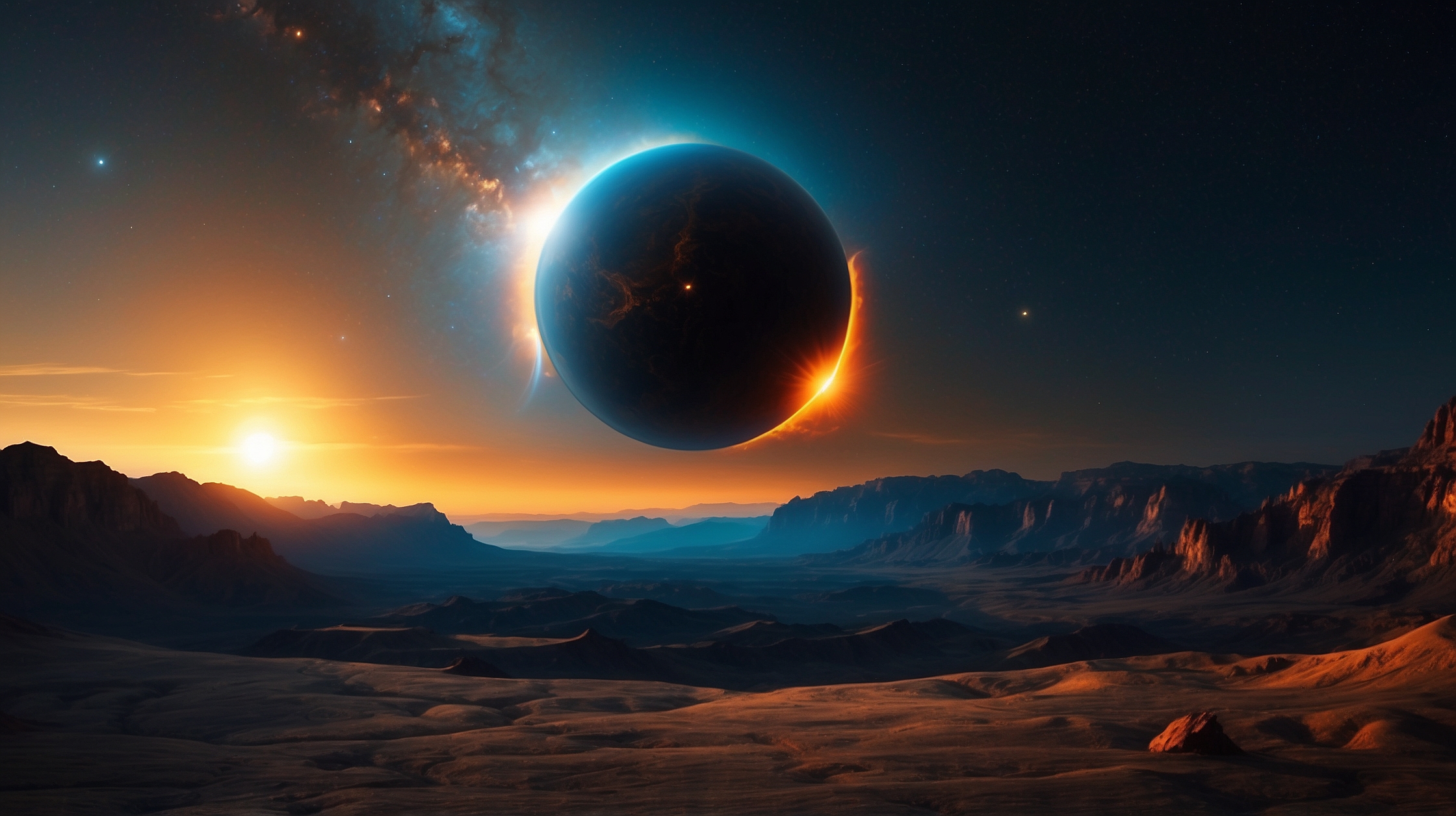

The upcoming solar event is turning heads not just among astronomers, but also everyday skywatchers across the globe. In what is being heralded as the **longest total solar eclipse of the 21st century**, a spectacular celestial display is expected to light up the skies for an extraordinary duration that far surpasses typical expectations. With full preparations underway across regions in the path of totality, excitement is mounting for a rare opportunity to witness nature’s ultimate light show in its full glory.

Slated to occur with precision and grandeur, this historic eclipse will stand out not only for its unprecedented timespan but also for the clarity with which it will be visible in several key regions. Unlike ordinary eclipses that last mere minutes, this unique event will offer a significantly extended viewing experience, promising both scientific insight and awe for viewers. For many, it is a once-in-a-lifetime opportunity to witness an astronomical phenomenon with such remarkable intensity.
Solar Eclipse 2027 Overview
| Date of Eclipse | August 2, 2027 |
| Type | Total Solar Eclipse |
| Duration of Totality | 6 minutes and 23 seconds |
| Path of Totality | Northern Africa, Middle East, parts of Europe and South Asia |
| Best Viewing Locations | Luxor (Egypt), Mecca (Saudi Arabia), Aswan, parts of Spain |
| Rarity | Longest of the 21st century |
Why this solar eclipse is making history
This solar eclipse isn’t just notable—it’s historic. The totality will last for an estimated **6 minutes and 23 seconds**, making it the longest total solar eclipse between now and the year 2114. To put it in perspective, most eclipses offer anywhere from 2 to 4 minutes of totality. This added time opens unique doors for **astronomical research**, including extended observation of the **solar corona**, the Sun’s elusive outer atmosphere.

At its maximum point, the Moon will appear to completely cover the Sun, plunging regions in the direct path into darkness. During those moments, observers will be treated to a profound encounter with the cosmos as the sky darkens in the middle of the day, temperatures drop, and nature temporarily quiets in response to this celestial anomaly.
When and where to see the eclipse
The total solar eclipse will take place on August 2, 2027, sweeping across a wide swath of Earth. The **path of totality** begins in the eastern Atlantic Ocean, then crosses northern Africa, including Egypt, and continues through the Arabian Peninsula, touching countries like Saudi Arabia and Yemen. It finally makes its way toward parts of southern Asia.

If you’re hoping to be in the best spot for viewing, locations such as **Luxor**, **Aswan**, and **Mecca** fall directly in the line of totality. These sites are expected to offer the clearest views, weather permitting, with extended periods of total darkness and optimal conditions for observation. Astronomy enthusiasts and international travelers are already eyeing these cities as prime destinations.
Scientific significance behind the extended totality
The key to this eclipse’s extended duration lies in a special **astronomical alignment**—the Moon will be near its **perigee** (closest point to Earth), appearing larger in the sky and covering the Sun for longer. Additionally, the Earth will be near **aphelion**, its farthest point from the Sun, making the Sun appear slightly smaller. This perfectly timed combination allows the Moon’s shadow to linger, resulting in an unusually long period of totality.

Scientists and engineers are already preparing for advanced data collection efforts during the eclipse. From mapping magnetic fields to studying solar wind, the opportunity to observe the **Sun’s corona** uninterrupted for over 6 minutes could unlock new understandings of our nearest star’s mysterious behavior—something that’s rarely afforded by shorter eclipses.
“This eclipse gives us a significantly longer window to collect high-resolution corona data, which could be critical in understanding solar flares and space weather events.”
— Dr. Elise Hammond, Solar Physicist
Travel and tourism expected to surge
Historically, total solar eclipses have sparked a surge in **eclipse tourism**, and 2027 is expected to surpass prior travel booms related to celestial events. Airlines, hotels, and travel guides along the eclipse’s path are already noting increased bookings and inquiries. Some governments are planning public events, parades, and festivals centered around the day of the eclipse.
For example, **Egypt** is positioning itself as a central hub for the experience. With some of the most extended totality views available and numerous heritage sites nearby, including the pyramids and temples, the country offers a compelling blend of science and culture. Similar plans are underway in Saudi Arabia and southern Europe.
“Travel demand for eclipse destinations is already double what we saw during the last major eclipse. Expect limited availability by early 2027.”
— Maria Osei, Global Tourism Analyst
Tips for safe and satisfying viewing
As breathtaking as the event promises to be, solar eclipses demand caution. Looking directly at a solar eclipse without proper protection can cause **permanent eye damage**. Experts emphasize the use of **ISO-certified eclipse glasses** and recommend avoiding makeshift alternatives.
If you’re planning to photograph the event, use solar filters on camera lenses and viewfinder screens. Avoid staring through a camera or binoculars without protection, as the magnified rays could severely damage your eyesight. It’s also smart to arrive early at your chosen location and bring along food, water, and protective gear, especially in desert and semi-arid regions expecting intense summer heat.
Winners and losers from the eclipse event
| Winners | Losers |
|---|---|
| Skywatchers and photographers | Cities outside path of totality |
| Solar researchers and scientists | Unprepared tourists |
| Tourism-based economies in viewing zones | Regions expecting cloudy or rainy weather |
| Educational institutions organizing events | People without safe viewing equipment |
Opportunities for education and outreach
Another exciting dimension to the 2027 event is the educational outreach already being planned. Schools, universities, and science centers are coordinating with regional authorities to host **live demonstrations**, lectures, and group viewings. Some programs aim to distribute eclipse glasses for free to students and marginalized communities to encourage awareness and participation.
For many young learners, this will be their first exposure to a total eclipse, making it a major moment in STEM (science, technology, engineering, mathematics) engagement. Families are being encouraged to participate together, using this as a call to action to explore the universe beyond daily life’s distractions.
Frequently Asked Questions about the 2027 Total Solar Eclipse
Where will the 2027 solar eclipse be best visible?
The eclipse will be best viewed from regions in northern Africa and the Middle East, particularly Luxor and Mecca. Parts of southern Europe and Asia will also experience partial eclipses.
How long will the total eclipse last?
The total eclipse will last up to 6 minutes and 23 seconds — the longest totality in the 21st century.
Is it safe to look at the eclipse without protection?
No. You should never look directly at a solar eclipse without properly certified eclipse glasses or solar viewing tools.
Why is this eclipse longer than usual?
This eclipse benefits from the Moon being closer to Earth (perigee) and the Sun being farther away (aphelion), making conditions ideal for a longer duration of totality.
Can I photograph the 2027 eclipse?
Yes, but you must use a solar filter on your camera. Always ensure your equipment is protected to avoid damage and protect your eyes.
Will the eclipse be visible in the United States?
No. This eclipse will not be visible from the United States. It primarily spans Africa, the Middle East, and parts of Europe and Asia.
What scientific studies are planned during the eclipse?
Scientists plan to observe the Sun’s corona, magnetic fields, and solar wind properties using ground-based and airborne telescopes for high-resolution data collection.
When will we see another eclipse this long?
The next eclipse of similar length won’t occur until the year 2114, making this a once-in-a-lifetime event for most people on Earth.
About the Author
