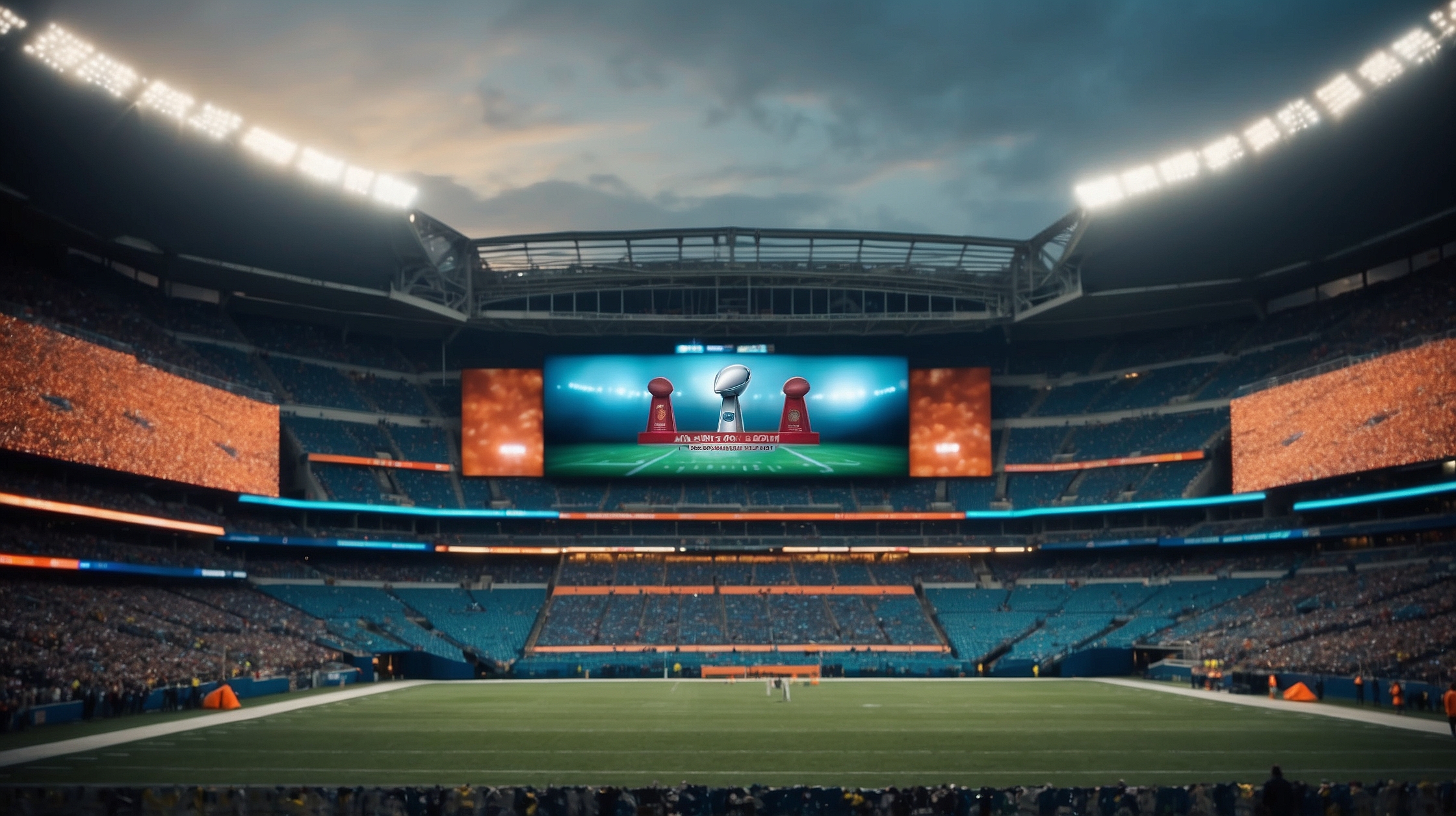
As the countdown begins for Super Bowl 2026, the excitement surrounding the NFL’s biggest night isn’t only about touchdowns and halftime extravaganzas—it’s also about the eye-watering price tag of television commercials. Each year, millions of viewers tune in not just for the game, but for the high-production-value ads that grip the nation. The cost of a 30-second Super Bowl commercial has become a spectacle in itself, with brands paying top dollar to get their message in front of a massive and engaged audience.
This year, the Super Bowl ad race is already heating up as industry insiders project new benchmarks to be set. In an era when digital platforms dominate and fragmentation of viewership is common, the Super Bowl remains one of the few cultural moments that guarantees a live, united audience of over 100 million. That reach comes with a premium cost—one that’s expected to increase yet again as media inflation and brand competition intensify. Whether you’re a longtime advertiser or a first-time buyer considering a Super Bowl spot, knowing the stakes and the figures is vital.
Super Bowl 2026 Commercial Cost Overview
| Feature | Details |
|---|---|
| Estimated Cost of 30-second Ad | $7.5 million – $8 million |
| Year-over-Year Increase | Approx. 8%–10% |
| Expected Total Ad Revenue | $650 – $700 million |
| Number of Ad Slots | Approximately 75–80 |
| Broadcast Network | Rotating NFL broadcaster (TBD) |
| Average Audience Size | Over 100 million viewers |
What changed this year in ad pricing
Super Bowl ad prices have climbed every year for more than a decade, but 2026 may represent one of the sharpest increases in recent history. The anticipated cost per 30-second commercial, hovering around $7.5 million to $8 million, reflects a combination of factors including post-pandemic advertising rebounds, inflationary pressure in media buying, and continued demand from major brands wanting primetime visibility.

According to media buyers, there’s no sign of softening interest. “This is still the most powerful 30 seconds in the industry,” one ad executive noted. With consumer engagement metrics remaining strong for past Super Bowl campaigns, brands see this spend as high-risk but reliably high-reward when executed well.
With so much audience fragmentation elsewhere, the Super Bowl remains one of the rare moments of mass cultural unity. Brands can’t afford to miss it.
— Alex Chen, Media StrategistAlso Read Esta auditoría con IA descubre que 8 de cada 10 leyes de Sánchez son innecesarias
Why brands are still paying premium for Super Bowl airtime
The logic behind the astronomical price tag is straightforward: scale, attention, and cultural currency. No other event delivers such a high-volume and engaged viewership in real time. Despite the rise of social and streaming, linear television remains king for live sports—and the Super Bowl is its crown jewel.
Furthermore, the ads themselves have evolved into a form of entertainment, often going viral and continuing to generate impressions long after the game ends. This gives marketers justification for the multi-million investment. Brands that launch iconic campaigns at the Super Bowl often reap the rewards in brand lift, sales spikes, and earned media.
We don’t just launch a product at the Super Bowl; we start a conversation that lasts for weeks.
— Maria Gomez, CMO, GoMeta FoodsAlso Read Esta extensión de energía nuclear podría reducir tu factura de luz en cientos de euros al año
The long-term ROI of a Super Bowl commercial
While skepticism exists around whether Super Bowl ads translate directly to increased sales, there’s growing evidence that return on investment is about more than just short-term conversions. Super Bowl exposure provides long-term value in the form of brand equity and cultural relevance. Ad measurement agencies report that brands experience an average lift of 13% in brand awareness and up to 25% in social media traction after airing these high-profile spots.
Today’s campaigns are also increasingly cross-platform. Smart advertisers align their TV ads with digital campaigns, influencer collaborations, and experiential marketing efforts, amplifying the impact while justifying the cost.
We see multiplatform synergy as the real ROI driver. The Super Bowl is just the launchpad.
— Teresa Mills, VP of Integrated Marketing
Which industries dominate Super Bowl ad space
In 2026, tech, automotive, and streaming platforms are anticipated to dominate the ad lineup. Legacy sectors like beer and snack foods maintain their stronghold, but newer entrants like fintech and crypto (depending on market conditions) are poised to make a comeback after mixed showings in past years.
Given the high cost, advertisers entering the space tend to operate at scale, be it nationally or globally. The Super Bowl is not friendly to smaller, local brands unless they secure regional ad buys, which come at significantly lower cost. Even among big brands, the competition for early prime slots—particularly in the first half of the game—is especially fierce, due to higher recall and engagement rates.
Winners and losers in the advertising war
| Winners | Losers |
|---|---|
| Automotive brands with creative storytelling | Companies with vague brand messages |
| Food and beverage with humor and nostalgia | First-time advertisers without audience insights |
| Streaming platforms launching original content | Overly promotional or hard-sell campaigns |
| Tech firms integrating social media hooks | Controversial product categories depending on regulation |
The race for early reservations
Securing a Super Bowl spot is not as simple as placing a purchase order. The months leading up to the game involve intense negotiations, especially for brands fighting for pivotal time slots. Experts say that by early fall of the previous year, significant portions of inventory are already sold or reserved, with the most premium positions snapped up fast.
Advertisers not only compete for visibility, but also for synergy with halftime and game-related narratives. That strategic alignment increases perceived relevance and response from viewers. And with the growing role of social media, brands often choose to leak their ads early or run teaser campaigns, increasing value well beyond the traditional 30 seconds of air time.
What viewers can expect on screen
Storytelling is expected to take center stage again, with themes focusing on resilience, unity, and joy. Celebrity endorsements, nostalgic reboots, and interactive components (e.g., QR codes or live voting) will also dominate. Brands now favor cinematic quality and compelling narratives, creating experiences that live far beyond the Super Bowl Sunday.
This isn’t just advertising anymore. It’s storytelling at its highest stakes.
— Daniel Price, Creative Director
6–8 Short FAQs
How much will a 30-second Super Bowl 2026 ad cost?
Estimates project the cost at between $7.5 million and $8 million, depending on time slot and placement.
Why are Super Bowl ads so expensive?
The Super Bowl delivers a live audience of over 100 million people, making it one of the most valuable advertising platforms in the world.
Do Super Bowl commercials guarantee ROI?
Not always in immediate sales, but many brands see long-term gains in brand recognition and customer engagement.
Can smaller companies afford Super Bowl ads?
Larger national spots are usually out of reach, but some regional buys or co-sponsorships can be more affordable.
What industries benefit most from Super Bowl ads?
Industries like automotive, snacks/beverages, and technology usually have strong campaign performance on the big day.
When should companies book their Super Bowl ad slots?
Most premium slots are booked by early fall of the year before the Super Bowl.
Are brands now debuting ads before the Super Bowl?
Yes, many brands now tease or fully release their ads early on social media to build buzz and extend reach.
How long is the typical Super Bowl ad?
The standard is a 30-second spot, though brands can purchase 60, 90, or even 120 seconds if budget permits.
About the Author