
Sarah’s phone buzzes at 11:23 PM. She’s finally managed to sink into her favorite chair, a cup of tea cooling in her hands, when the text appears: “Hey, could you look over this presentation? Due first thing tomorrow.”

Her entire body screams no. Her shoulders are tight from twelve hours at her desk. Her eyes burn from staring at screens. The laundry basket sits overflowing in the corner, silently judging her.
But her fingers are already typing “Sure, send it over.” Twenty minutes later, she’s hunched over her laptop again, fixing someone else’s work while her tea grows cold. She doesn’t remember learning that saying no wasn’t allowed. She only knows that rest still feels like betrayal.

The invisible prison of being “the reliable one”
Every family system has one. The child who never melted down in grocery stores. The teenager who stepped up when parents fought or siblings struggled. The one everyone could count on to handle things without complaint.
On the surface, these children looked like the success stories. Teachers loved them. Extended family praised their maturity. But beneath that composed exterior, they were absorbing a dangerous lesson: your value comes from your usefulness.

“When children consistently receive attention and approval only when they’re being helpful or managing others’ emotions, their nervous system learns to associate rest with abandonment,” explains Dr. Lisa Chen, a developmental psychologist specializing in family trauma patterns.
These kids didn’t choose to become the family’s emotional shock absorber. They adapted to survive. Their developing brains wired rest as dangerous and productivity as safety. Decades later, they struggle to rest not because they don’t want to, but because every fiber of their being screams that stopping means losing love.
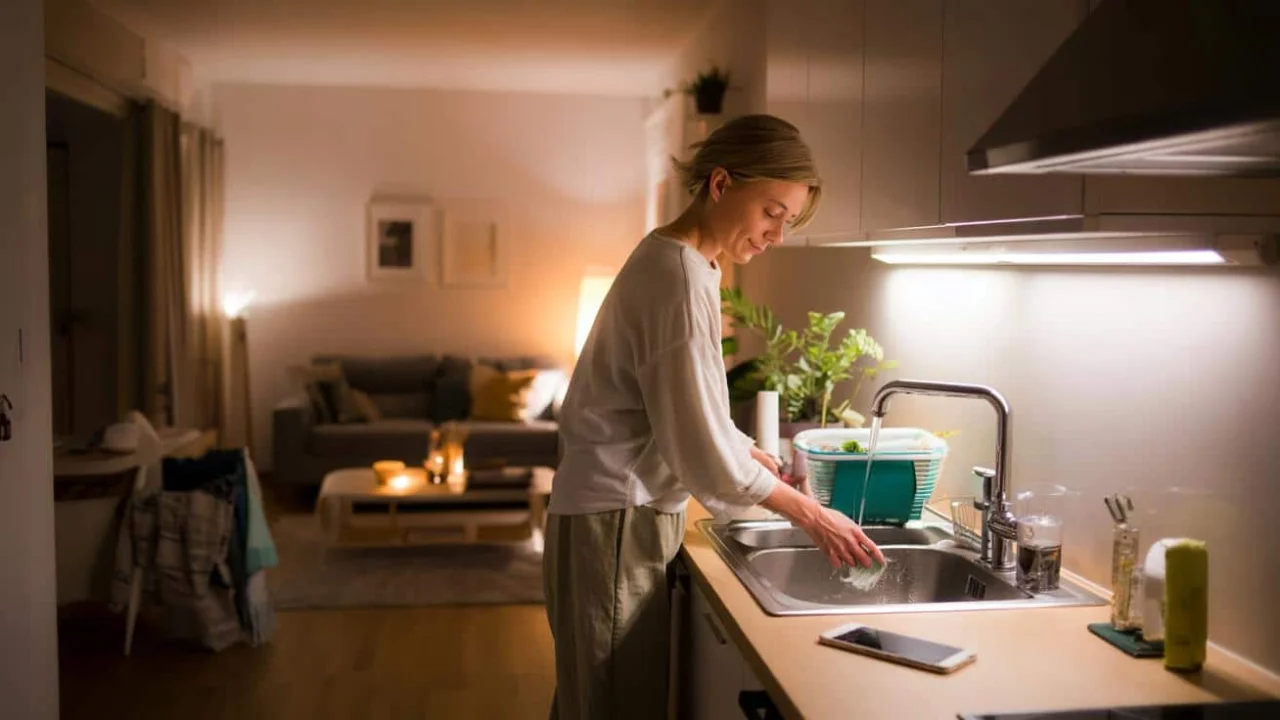
The pattern looks different in every family, but the core remains the same. Maybe it was the eight-year-old who learned to make dinner when mom had her “tired days.” Or the teenager who became the family translator during their parents’ divorce. These children learned that chaos decreased when they increased their effort.
How childhood roles rewire the adult brain
The psychological term is “parentification” – when children take on adult responsibilities before they’re developmentally ready. But the effects go deeper than just extra chores or emotional labor.

Research shows that people who grew up as “the strong one” develop specific neurological patterns that make rest feel genuinely threatening. Their stress response system learned to equate stillness with danger.
| Childhood Pattern | Adult Struggle | Physical Impact |
|---|---|---|
| Always being the problem-solver | Can’t delegate or ask for help | Chronic tension, headaches |
| Managing others’ emotions | Guilt when setting boundaries | Anxiety, digestive issues |
| Being praised for self-sufficiency | Fear of appearing weak or needy | Insomnia, muscle pain |
| Taking on adult responsibilities early | Compulsive productivity | Burnout, immune system stress |
“The brain that learned to scan for problems doesn’t suddenly relax when the environment becomes safe,” notes Dr. Michael Rodriguez, a trauma specialist who works with high-achieving adults. “These individuals often achieve remarkable success, but they pay a steep price in terms of their ability to truly rest and recover.”
The signs often emerge in subtle ways. The successful professional who takes work calls during vacation. The friend everyone depends on who never asks for support back. The parent who handles every crisis but falls apart when they get the flu.
Their bodies keep score in headaches, insomnia, and digestive issues. Their relationships suffer as they give and give until resentment builds. Yet when someone suggests they need to rest, they genuinely don’t know how.
Breaking the cycle requires rewiring decades of conditioning
The path forward isn’t simple, but it starts with understanding that the struggle to rest isn’t a character flaw – it’s a nervous system trying to keep you safe using outdated rules.
Recovery involves teaching the body that rest doesn’t equal abandonment. This happens slowly, through::
- Starting with micro-rests: five minutes of doing nothing before jumping to the next task
- Practicing saying no to low-stakes requests to build the neural pathway
- Identifying the physical sensations that arise when attempting to rest
- Working with therapists trained in somatic approaches to trauma
- Building relationships where your worth isn’t tied to your productivity
“The goal isn’t to become lazy or stop caring,” emphasizes Dr. Chen. “It’s to develop the capacity to rest without the nervous system interpreting it as danger. True strength includes knowing when to stop.”
Many people who grew up as “the strong one” resist this work initially. Rest feels selfish when you’ve been conditioned to see your needs as less important than everyone else’s. But learning to rest isn’t just personal healing – it’s breaking a pattern that often gets passed down through generations.
The teenager who learned to manage her parents’ marriage might be unconsciously teaching her own children that love requires constant performance. The cycle continues until someone decides their nervous system deserves a different story.
Recovery looks like learning that you can be loved for who you are, not just what you do. It means discovering that the world doesn’t fall apart when you take a day off. Most surprisingly, many find that they become even more effective when they allow themselves real rest.
The journey from compulsive productivity to genuine rest is neither quick nor linear. But for those willing to challenge decades of conditioning, it offers something precious: the radical act of believing you deserve care simply because you exist.
FAQs
Why do some people feel guilty when they try to rest?
People who grew up being “the strong one” learned that their value came from being useful, so their nervous system interprets rest as potentially losing love or safety.
Is this just about being a perfectionist?
No, it’s deeper than perfectionism – it’s about survival patterns learned in childhood where rest felt dangerous because it might lead to abandonment or chaos.
Can therapy actually help with this struggle to rest?
Yes, especially somatic and trauma-informed approaches that help rewire the nervous system’s response to stillness and teach the body that rest is safe.
How long does it take to learn how to rest properly?
It varies, but most people need months to years of consistent practice to retrain decades of conditioning – the key is starting small with micro-rests.
What if I’m worried I’ll become lazy if I learn to rest?
Research shows that people who learn healthy rest patterns actually become more productive and creative, not less – they just work from a place of choice rather than compulsion.
Are there physical health benefits to learning how to rest?
Absolutely – proper rest reduces chronic stress, improves immune function, decreases headaches and muscle tension, and can significantly improve sleep quality.
About the Author