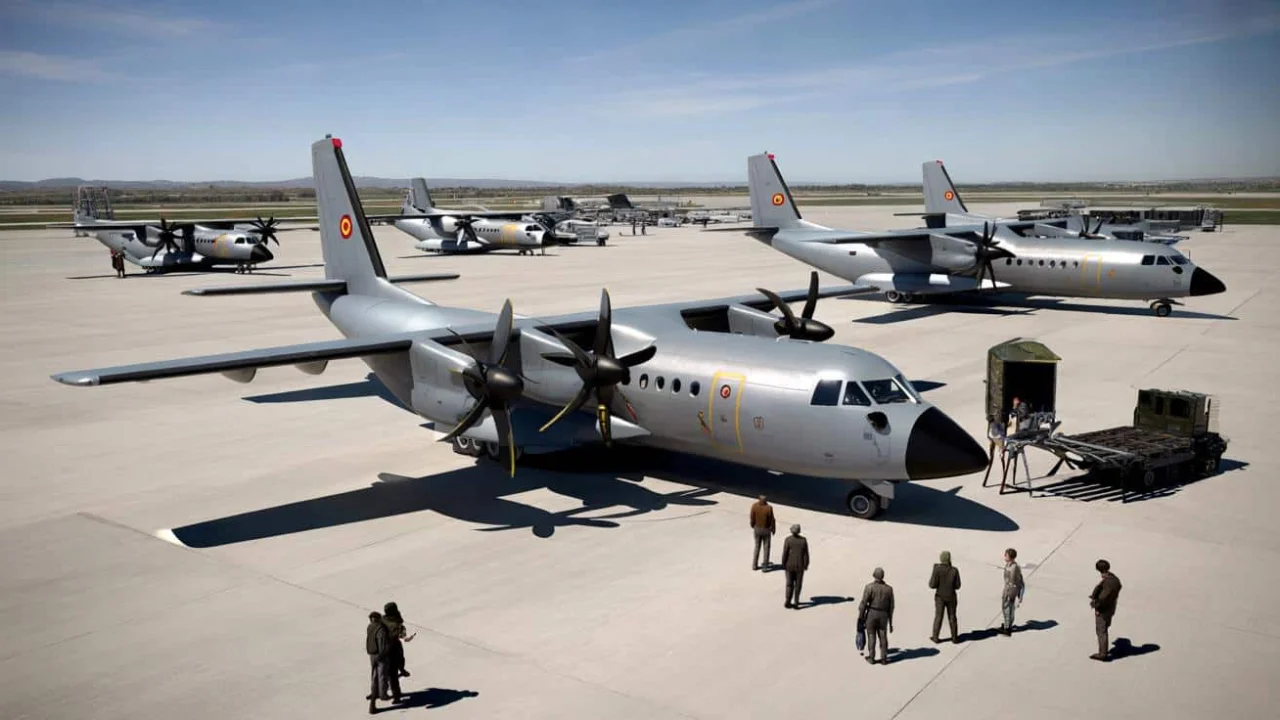
Captain María Hernández remembers her first flight in a CN-235 transport back in 2015. The aging aircraft groaned and vibrated as it climbed over the Pyrenees, carrying Spanish peacekeepers to Mali. “You could feel every rivet,” she recalls with a laugh. “We joked that the plane was older than some of our youngest soldiers.”
That era is coming to an end. Last week, Spain announced it would buy 18 additional C-295 military transport aircraft from Airbus, marking a decisive shift away from decades-old planes toward a modern, unified fleet.
For pilots like Captain Hernández, who now flies the newer C-295, the difference is night and day. “It’s like going from a vintage car to something built this century,” she explains. “Everything works better, and we can actually complete missions that would have been impossible before.”
Why Spain is betting big on the C-295
Spain buys C295 aircraft not just to replace old planes, but to fundamentally transform how its military moves people and supplies around the world. The Spanish Air and Space Force currently operates a patchwork of different aircraft types, each requiring unique parts, training, and maintenance.
The new purchase will retire both the CN-235 and C-212 aircraft, some of which have been flying since the 1970s. These veteran planes served Spain well through decades of missions, from disaster relief at home to peacekeeping operations abroad. But they’re showing their age.
“Modern militaries need aircraft that can adapt quickly to different missions,” says defense analyst Carlos Ruiz. “The C-295 gives Spain that flexibility in ways their older fleet simply couldn’t match.”
This latest order builds on Spain’s existing C-295 fleet. The country already operates 28 of these aircraft and ordered 16 more in 2023. Once all 18 new planes arrive, Spain will have 46 C-295s in total, configured for various roles including troop transport, maritime patrol, and surveillance.
Key details about Spain’s C-295 expansion
The deal represents more than just new aircraft. Spain is essentially standardizing its entire medium transport fleet around a single European-built platform. Here’s what makes this purchase significant:
| Aspect | Details |
|---|---|
| Aircraft ordered | 18 C-295 transport planes |
| Total fleet size | 46 C-295s when complete |
| Aircraft being replaced | CN-235 and C-212 models |
| Delivery timeline | Extending into the 2030s |
| Primary manufacturer | Airbus (European consortium) |
The C-295 offers several advantages over Spain’s older aircraft:
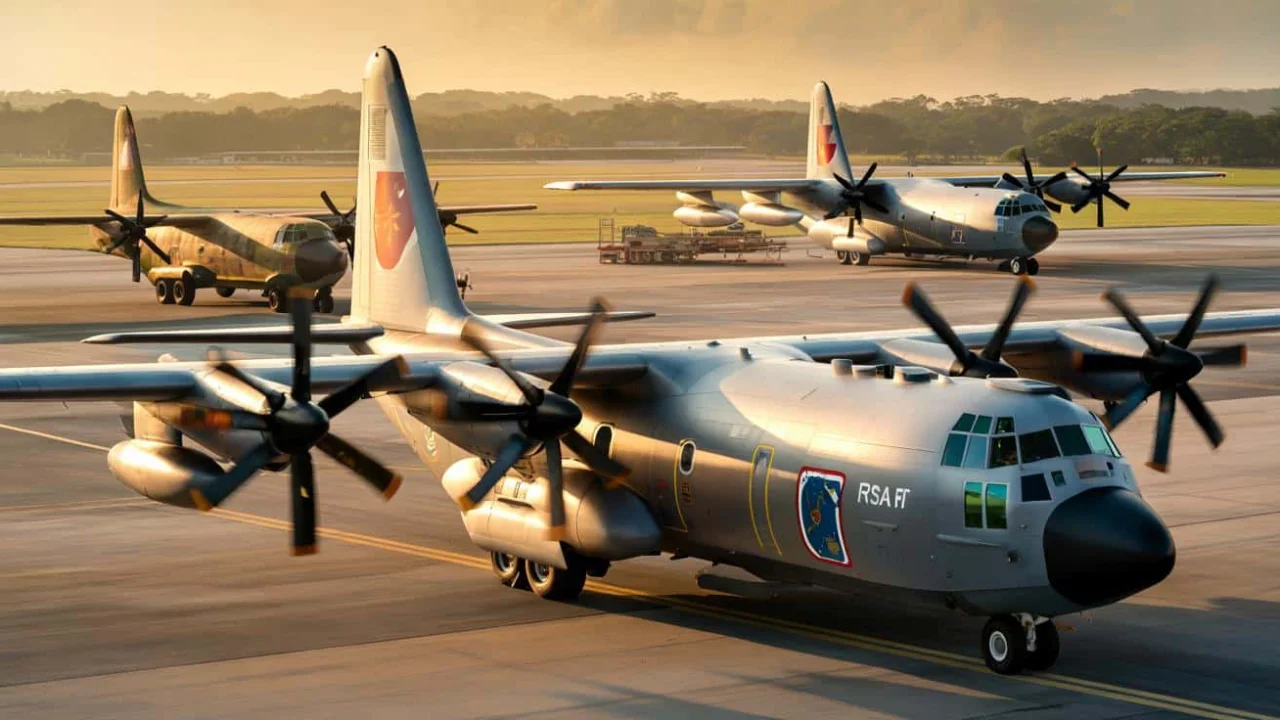
- Greater cargo capacity and range
- Modern avionics and navigation systems
- Ability to operate from shorter, unpaved runways
- Lower maintenance costs due to newer design
- Compatibility with NATO standards and procedures
“We’re not just buying planes, we’re buying capability,” explains Lieutenant Colonel Fernando Vega, who oversees transport operations. “These aircraft can do things our old fleet couldn’t dream of.”
The timing reflects broader changes in how European militaries think about airlift. With ongoing conflicts highlighting the importance of rapid deployment, countries want aircraft that can quickly adapt to different missions without extensive modifications.
What this means for Spain’s military future
The impact extends well beyond the Spanish military. By choosing the C-295, Spain strengthens its position in European defense cooperation while supporting domestic aerospace jobs. Airbus manufactures the C-295 partly in Spain, meaning much of the investment stays within the country’s borders.
This matters for ordinary Spanish citizens too. These aircraft don’t just carry soldiers – they’re often the first to respond when natural disasters strike. During floods, forest fires, or other emergencies, military transports become lifelines for isolated communities.
“When we had to evacuate people from La Palma during the volcano eruption, our transport aircraft made the difference between life and death for many families,” recalls emergency coordinator Ana López. “Having reliable, modern planes means we can help people faster.”
The economic benefits are substantial. Defense industry experts estimate the deal will support thousands of jobs across Spain’s aerospace sector. Moreover, as other countries operate C-295s, Spain can potentially export maintenance services and spare parts.
“Spain is positioning itself as a regional hub for C-295 operations,” notes aerospace economist Dr. Miguel Santos. “This isn’t just about buying planes – it’s about building long-term industrial capacity.”
The standardization also simplifies training and logistics. Instead of maintaining expertise on multiple aircraft types, Spanish mechanics and pilots can focus on mastering one highly capable platform. This reduces costs and improves operational readiness.
For international missions, the benefits are clear. Many NATO allies also operate C-295s, making it easier to coordinate operations and share resources. When Spanish forces deploy alongside German, Polish, or other European units, they can more easily work together.
The delivery schedule stretching into the 2030s reflects both the complexity of modern aircraft manufacturing and Spain’s methodical approach to fleet renewal. Rather than rushing the transition, military planners want to ensure pilots and maintenance crews are properly trained on each new aircraft.
“We’re taking a measured approach,” explains Air Force planning chief Colonel Isabel Moreno. “Each plane that arrives makes us more capable, but we want to do this right rather than fast.”
Looking ahead, the C-295 fleet will likely serve Spain for decades. Modern military transports typically operate for 30-40 years, meaning today’s purchase will shape Spanish airlift capabilities well into the 2060s.
FAQs
Why did Spain choose the C-295 over other aircraft?
The C-295 is partly built in Spain, supports domestic jobs, and is already used by many European allies, making maintenance and operations more efficient.
How long will the old CN-235 and C-212 aircraft remain in service?
These aircraft will be gradually retired as new C-295s arrive, with the process extending through the 2030s.
What missions will these aircraft perform?
The C-295s will handle troop transport, cargo delivery, medical evacuation, disaster relief, and surveillance missions both domestically and internationally.
How does this purchase affect Spain’s defense budget?
While the exact cost wasn’t disclosed, the deal represents a significant investment in modernizing Spain’s airlift capabilities over the next decade.
Will Spanish civilians benefit from these military aircraft?
Yes, these planes often support disaster relief, medical evacuations, and emergency response operations that directly help Spanish citizens.
How many countries operate the C-295?
Over 30 countries worldwide operate various versions of the C-295, making it one of the most widely used military transports globally.
About the Author
