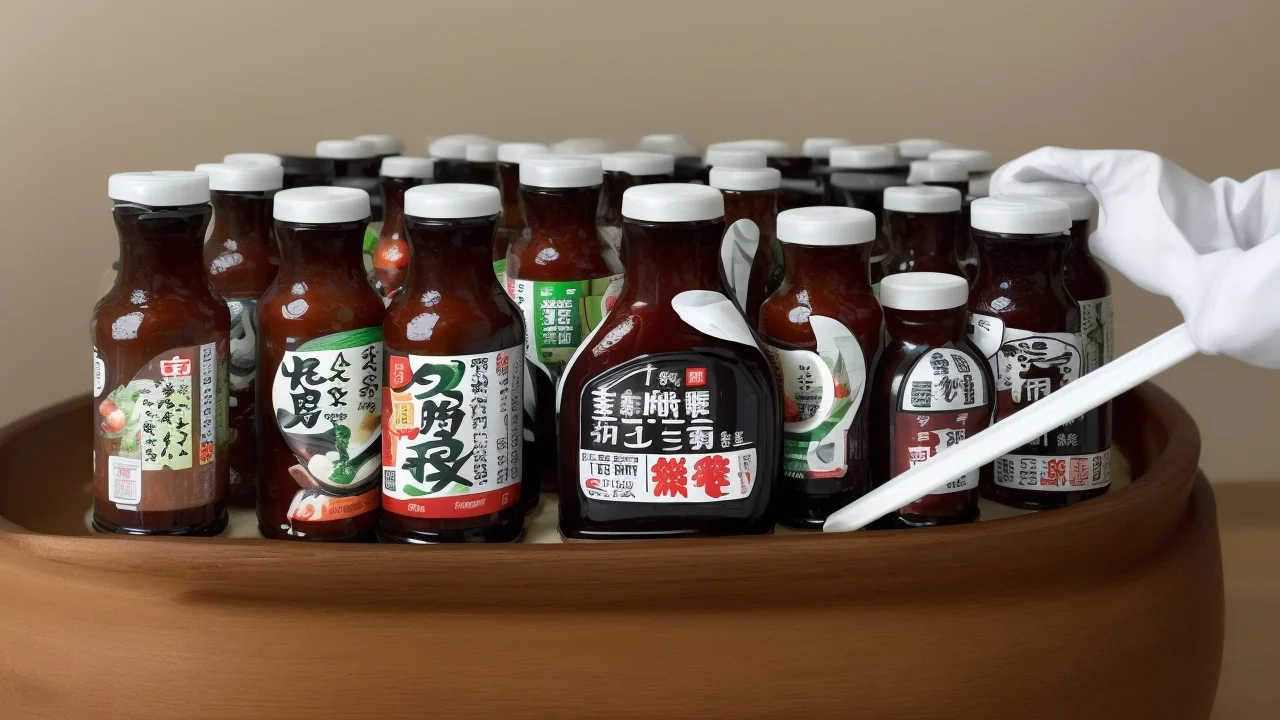
For decades, home cooks and culinary enthusiasts have engaged in a heated debate about proper soy sauce storage. Should this essential Asian condiment be kept in the refrigerator alongside other perishables, or does it belong in the pantry with other shelf-stable seasonings? The confusion has persisted partly because different brands offer varying guidance, and many consumers have relied on family traditions or personal preferences rather than manufacturer recommendations.

Now, Kikkoman, one of the world’s most recognizable soy sauce brands with over 300 years of brewing expertise, has stepped forward to provide definitive guidance on this contentious kitchen storage question. Their official stance may surprise some consumers who have been following incorrect storage practices for years.
| Key Takeaways | Details |
|---|---|
| Kikkoman’s Official Recommendation | Refrigerate soy sauce after opening for optimal quality |
| Unopened Storage | Cool, dry pantry location away from direct sunlight |
| Quality Impact | Refrigeration preserves flavor, color, and nutritional properties |
| Safety Consideration | Room temperature storage won’t cause harmful bacteria growth |
| Shelf Life | Proper storage significantly extends product lifespan |
The Official Word from Kikkoman
According to Kikkoman’s official guidance, soy sauce should be stored in the refrigerator after opening. This recommendation comes from the company’s extensive research and understanding of their product’s composition and behavior under different storage conditions. While soy sauce is naturally fermented and contains high levels of sodium that act as preservatives, refrigeration provides the optimal environment for maintaining the condiment’s intended flavor profile and quality characteristics.
The company emphasizes that this recommendation applies specifically to opened bottles. Unopened soy sauce can safely remain in a cool, dry pantry location, protected from direct sunlight and extreme temperature fluctuations. However, once the seal is broken and the product is exposed to air, refrigeration becomes the preferred storage method.
The Science Behind Soy Sauce Storage
Understanding why refrigeration matters requires examining soy sauce’s complex composition. Traditional soy sauce undergoes a fermentation process involving soybeans, wheat, salt, and specific bacterial cultures. This process creates a product rich in amino acids, organic compounds, and natural preservatives that contribute to its distinctive umami flavor.
When exposed to room temperature conditions after opening, several chemical processes can affect soy sauce quality. Oxidation reactions may alter the delicate balance of flavor compounds, potentially leading to off-tastes or diminished umami intensity. Additionally, exposure to light and heat can cause color changes, transforming the rich, dark brown appearance that consumers expect.
Temperature control helps slow these degradation processes significantly. Refrigeration maintains a stable, cool environment that preserves the intricate flavor profile developed during fermentation. This is particularly important for premium soy sauces, where subtle flavor nuances can be easily compromised by improper storage.
Debunking Common Storage Myths
Many consumers have operated under misconceptions about soy sauce storage, often based on incomplete information or cultural practices that may not align with optimal quality preservation. One persistent myth suggests that soy sauce’s high sodium content makes refrigeration unnecessary. While sodium does act as a natural preservative, it doesn’t completely prevent quality degradation that can occur at room temperature.
Another common belief is that all Asian condiments should be stored similarly to how they’re displayed in restaurants. However, restaurant storage practices often prioritize convenience and quick access over long-term quality preservation. Restaurants typically use soy sauce much more rapidly than home consumers, meaning their bottles don’t remain open for extended periods.

Some people also assume that because soy sauce has been produced for centuries without refrigeration, modern refrigeration is unnecessary. This overlooks the fact that traditional storage methods often involved different containers, smaller quantities, and faster consumption rates that aren’t applicable to contemporary home use.
Impact on Flavor and Quality
The difference between refrigerated and room-temperature stored soy sauce becomes apparent over time. Properly refrigerated soy sauce maintains its intended flavor intensity, color consistency, and aromatic properties for significantly longer periods. The cool temperature helps preserve the delicate balance of sweet, salty, and umami notes that characterize high-quality soy sauce.
Room temperature storage, while not dangerous from a food safety perspective, can lead to gradual flavor deterioration. The complex amino acid profiles that contribute to soy sauce’s distinctive taste may break down more rapidly in warmer conditions. Additionally, exposure to temperature fluctuations common in pantry storage can accelerate these changes.
Visual changes may also occur with improper storage. Soy sauce stored at room temperature might develop a different color intensity or clarity compared to refrigerated versions. These changes, while not harmful, can affect the visual appeal of dishes and may indicate underlying flavor modifications.
Practical Storage Guidelines
Implementing proper soy sauce storage is straightforward once you understand the principles involved. For unopened bottles, choose a cool, dry location away from direct sunlight and heat sources. Kitchen pantries work well if they maintain relatively stable temperatures and aren’t subject to frequent temperature swings.
After opening, transfer the bottle to your refrigerator promptly. Store it in the main refrigerator compartment rather than the door, where temperatures fluctuate more frequently. Ensure the cap is tightly sealed after each use to minimize air exposure, which can contribute to quality degradation regardless of temperature.
Consider the size of soy sauce bottles when making purchasing decisions. Smaller bottles may be more practical for households that use soy sauce infrequently, as they’ll be consumed before quality degradation becomes noticeable. Larger bottles are economical for frequent users but require consistent refrigeration practices to maintain quality throughout their lifespan.
Industry Perspectives and Variations
While Kikkoman has provided clear guidance, it’s worth noting that different soy sauce types and brands may have varying storage requirements. Premium aged soy sauces, low-sodium varieties, and organic products may be more sensitive to storage conditions than standard formulations. Always check manufacturer recommendations on product labels, as they may include specific guidance based on unique production methods or ingredients.
The food industry has generally moved toward more conservative storage recommendations as understanding of food quality preservation has evolved. Many condiment manufacturers now recommend refrigeration after opening, even for products that were traditionally stored at room temperature. This trend reflects increased consumer awareness of quality preservation and longer expected storage periods in modern households.
Professional chefs and culinary experts increasingly emphasize proper condiment storage as part of maintaining ingredient quality. This attention to storage details reflects the broader movement toward ingredient consciousness and the recognition that proper handling can significantly impact final dish quality.
Frequently Asked Questions
How long does soy sauce last when properly refrigerated?
When stored in the refrigerator after opening, soy sauce can maintain optimal quality for several years. While it may remain safe to consume for even longer periods due to its high sodium content, quality preservation is best achieved through consistent refrigeration and proper sealing.
What happens if I’ve been storing opened soy sauce in the pantry?
Soy sauce stored at room temperature after opening won’t become dangerous to consume, but its quality may have degraded. You might notice changes in flavor intensity, color, or aroma. Transferring it to the refrigerator can help slow further degradation, though some quality loss may be irreversible.
Do all types of soy sauce require refrigeration after opening?
Most soy sauce varieties benefit from refrigeration after opening, including light soy sauce, dark soy sauce, and low-sodium versions. However, specific products may have unique requirements, so always check the manufacturer’s storage recommendations on the product label.
Can I freeze soy sauce for long-term storage?
Freezing soy sauce is generally not recommended as it can affect texture and may cause separation of ingredients. The high sodium content means soy sauce won’t freeze solid in typical home freezers, potentially creating an uneven consistency. Refrigeration provides adequate preservation without these risks.
How can I tell if my soy sauce has gone bad?
Signs of degraded soy sauce include significant color changes, off-odors, unusual texture, or the presence of mold or cloudiness. While properly stored soy sauce rarely spoils in a dangerous way, these indicators suggest quality has been compromised and replacement may be advisable.
Conclusion
Kikkoman’s definitive guidance on soy sauce storage provides clarity for consumers who have long debated this kitchen storage question. By recommending refrigeration after opening, the company emphasizes quality preservation over convenience, reflecting their commitment to helping consumers enjoy their products at peak flavor and quality. While room temperature storage won’t create food safety risks due to soy sauce’s natural preservative properties, refrigeration clearly offers superior quality maintenance for this beloved condiment. As we become more conscious of ingredient quality and food waste reduction, following manufacturer storage guidelines represents a simple but effective way to maximize the value and enjoyment of our culinary investments.
About the Author