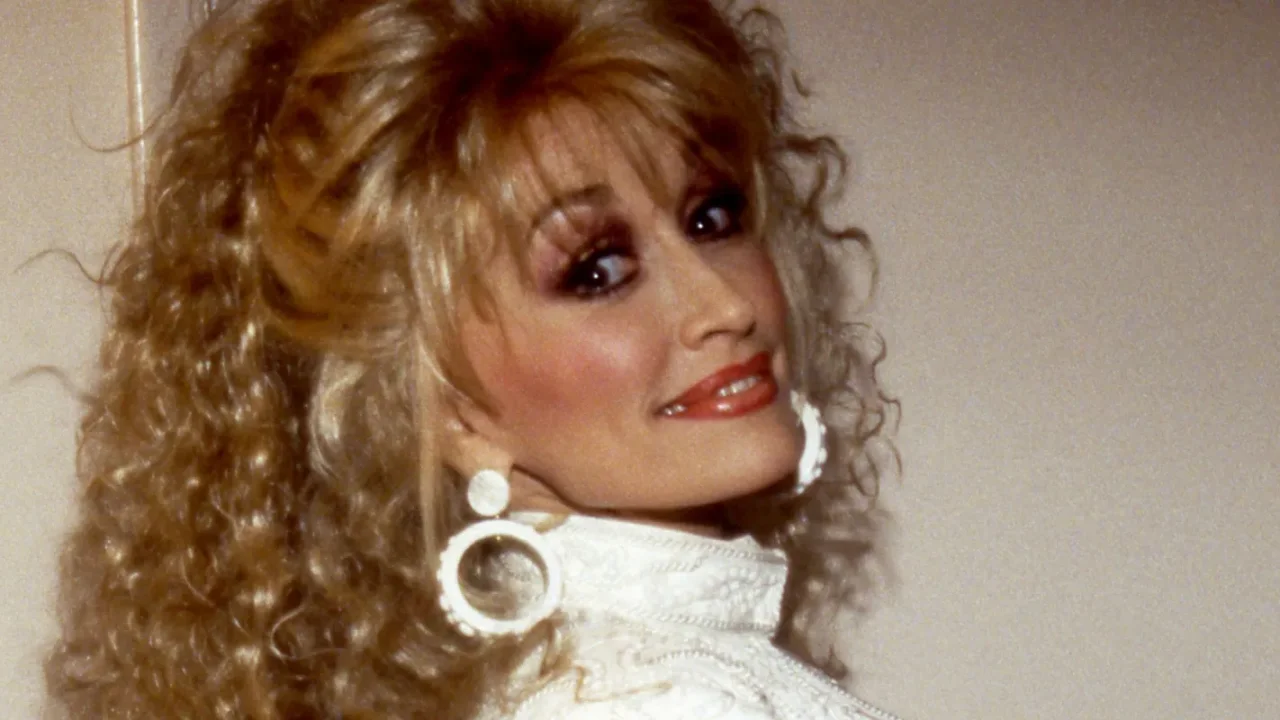
Picture this: You’re sitting in a Nashville studio in 1977, watching Dolly Parton record what would become one of her biggest crossover hits. The song wasn’t written by a country music insider or even someone from Music City. Instead, it came from a married songwriting duo working out of New York’s legendary Brill Building, crafting pop hits that would eventually find their way to country radio and change careers forever.

That magical moment represents the power of great songwriting to transcend boundaries. When Barry Mann was born on February 9, 1939, nobody could have predicted that this Brooklyn-born musician would one day help pen the song that launched Dolly Parton into mainstream superstardom.
Mann, along with his wife and creative partner Cynthia Weil, formed one of the most successful songwriting duos in music history. Their collaboration produced “Here You Come Again,” the track that became Dolly’s first major pop crossover hit and earned her a Grammy Award in 1978.

The Brill Building Legends Who Crossed Into Country
Barry Mann and Cynthia Weil weren’t your typical country songwriters. They made their mark in the legendary Brill Building era of the 1960s, crafting pop gems for artists like The Righteous Brothers, The Animals, and countless others. This husband-and-wife songwriting duo built their reputation on creating emotionally powerful songs that connected with listeners across genres.
“We never thought about categories when we wrote,” Mann once explained about their approach to songwriting. “We just tried to write songs that moved people.”

Their partnership began in the early 1960s, and by the time they penned “Here You Come Again” for Dolly Parton, they had already established themselves as masters of their craft. The song originally started as a demo that caught the attention of Parton’s team, who recognized its potential to help her reach beyond traditional country audiences.
What made this songwriting duo so special was their ability to blend emotional depth with commercial appeal. Mann typically handled the melodies while Weil focused on lyrics, creating a perfect creative balance that produced timeless hits.

Breaking Down Their Most Famous Collaborations
The Mann-Weil songwriting partnership produced an impressive catalog of hits that spanned multiple decades and genres. Here’s a look at some of their most significant contributions to music history:
| Song Title | Artist | Year | Chart Performance |
|---|---|---|---|
| “You’ve Lost That Lovin’ Feelin'” | The Righteous Brothers | 1964 | #1 Pop |
| “We Gotta Get Out of This Place” | The Animals | 1965 | #13 Pop |
| “On Broadway” | The Drifters | 1963 | #9 Pop |
| “Here You Come Again” | Dolly Parton | 1977 | #3 Pop, #1 Country |
| “Sometimes When We Touch” | Dan Hill | 1977 | #3 Pop |
Their songwriting process was remarkably collaborative. Unlike many writing teams where one person focuses solely on music and another on lyrics, Mann and Weil worked together on both elements, constantly refining and improving each other’s ideas.

Key characteristics of their songwriting style include:
- Emotional storytelling that resonates across demographics
- Strong melodic hooks that stick in listeners’ heads
- Universal themes of love, loss, and human connection
- Sophisticated chord progressions that elevate simple concepts
- Lyrics that feel conversational yet profound
“Barry and Cynthia had this incredible ability to tap into universal emotions,” noted music historian Robert Christgau. “Their songs didn’t just sound good – they made you feel something real.”
How One Song Changed Dolly’s Career Forever
When “Here You Come Again” landed on Dolly Parton’s desk, she was primarily known as a country artist looking to expand her audience. The song, written by the Mann-Weil songwriting duo, became the perfect vehicle for that transition.
The track represented a significant risk for Parton. Moving away from pure country toward a more pop-influenced sound could have alienated her core fanbase. Instead, it introduced her to millions of new listeners while maintaining her country credibility.
The song’s success had immediate and lasting impacts on multiple careers:
- Dolly Parton gained mainstream pop credibility and Grammy recognition
- Country radio became more open to crossover material
- The Mann-Weil duo proved their songwriting could work across genres
- Other country artists began seeking pop-oriented material
“Here You Come Again” reached number three on the Billboard Hot 100 and topped the country charts, demonstrating the power of great songwriting to transcend musical boundaries. The song earned Dolly Parton her first Grammy Award for Best Female Country Vocal Performance.
“That song opened doors I didn’t even know existed,” Parton later reflected. “It showed me that good music doesn’t have to fit into just one box.”
The success story of this collaboration highlights how the best songwriting partnerships create magic that extends far beyond their individual capabilities. Mann’s musical instincts combined with Weil’s lyrical prowess, then filtered through Parton’s unique vocal interpretation, created something none of them could have achieved alone.
Today, Barry Mann’s 85th birthday serves as a reminder of the lasting power of collaborative creativity. His partnership with Cynthia Weil continues to influence songwriters and performers across all genres, proving that great songs truly are timeless.
The legacy of this remarkable songwriting duo extends far beyond any single hit. They helped define the sound of American popular music for over five decades, creating songs that continue to move and inspire new generations of listeners and artists alike.
FAQs
Who wrote “Here You Come Again” for Dolly Parton?
Barry Mann and Cynthia Weil, a husband-and-wife songwriting duo from New York’s Brill Building era, wrote the song in 1977.
What other famous songs did Barry Mann and Cynthia Weil write together?
They wrote “You’ve Lost That Lovin’ Feelin'” for The Righteous Brothers, “On Broadway” for The Drifters, and “We Gotta Get Out of This Place” for The Animals, among many others.
How did “Here You Come Again” impact Dolly Parton’s career?
The song became Dolly’s first major pop crossover hit, reaching #3 on the Billboard Hot 100 and earning her first Grammy Award, opening doors to mainstream success.
Are Barry Mann and Cynthia Weil still married and writing together?
Yes, they have been married since 1961 and continued their songwriting partnership for over six decades, making them one of the most enduring creative partnerships in music history.
What makes a great songwriting duo successful?
The best songwriting partnerships combine complementary skills, shared creative vision, and the ability to challenge and inspire each other while maintaining mutual respect and trust.
When was Barry Mann born?
Barry Mann was born on February 9, 1939, in Brooklyn, New York, making him 85 years old today.
About the Author