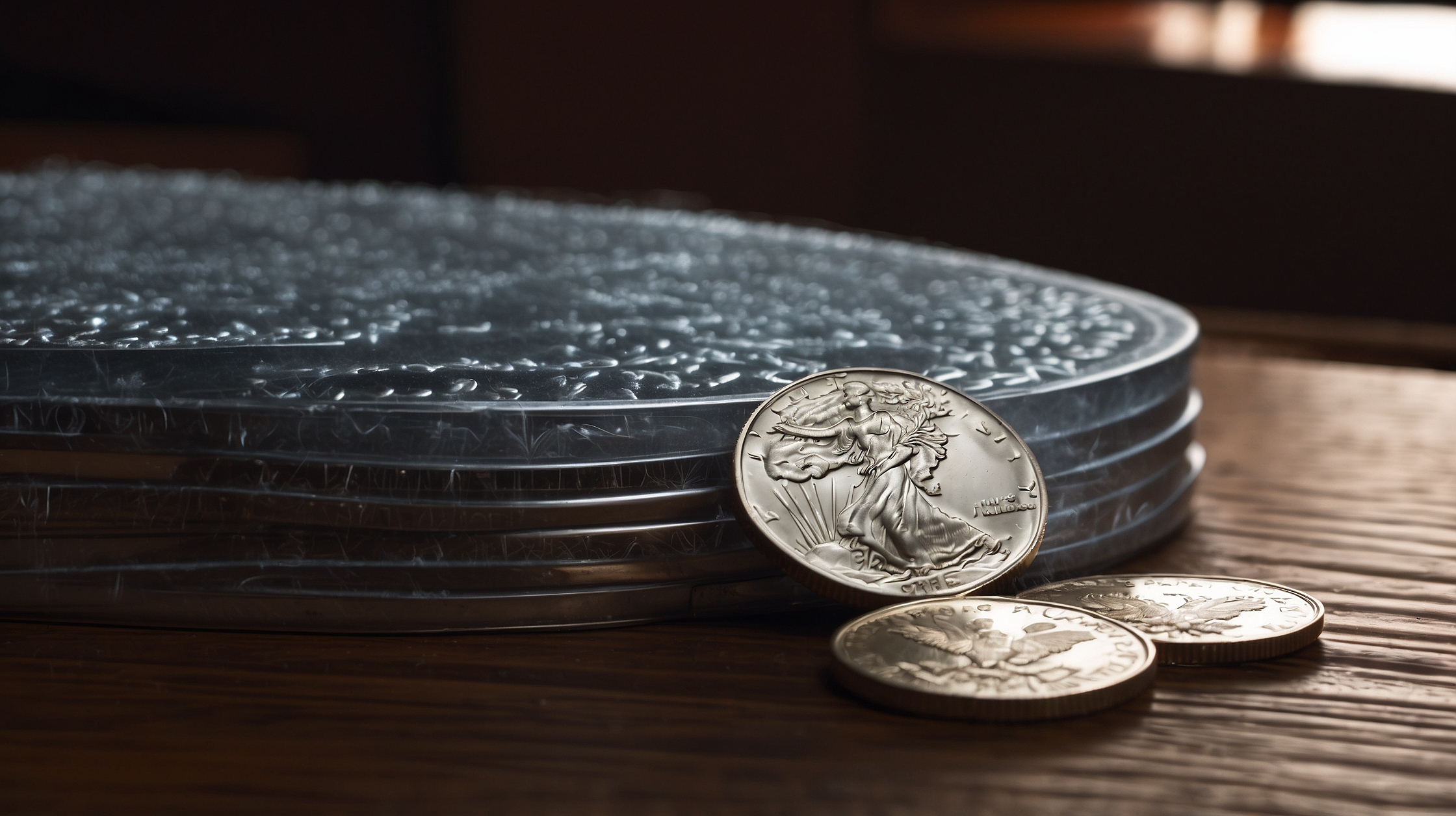

Silver continues to be a hot commodity in 2024, not only as a hedge against inflation but also as a tradable asset in everyday American households. With economic uncertainties lingering—from interest rate hikes to volatile stock markets—investors are watching precious metals like silver more closely than ever. If you’re holding a 1-ounce silver coin and wondering how much it’s worth right now, you’re not alone. Across the U.S., thousands of collectors and everyday investors are looking to cash in, but the prices can fluctuate daily based on spot rates, demand, and the form of silver you’re trading.

Understanding the real market value of a 1-ounce silver coin goes beyond just checking the spot price. Dealers, pawnshops, and private buyers each offer different premiums. What you get depends on the coin type, condition, and current market sentiment. Whether you own an American Silver Eagle or a generic round, knowing what factors influence current silver prices can help you sell smarter—and potentially for more money.
Current silver coin value at a glance
| Category | Details |
|---|---|
| Spot Price of Silver (Per Ounce) | $28.50 (as of latest data) |
| Typical Dealer Buy-Back Price | $26.50–$28.00 |
| Premium for American Silver Eagle | $3–$6 above spot |
| Premium for Generic Silver Rounds | $0.50–$2 above spot |
| Where to Sell | Online dealers, local coin shops, pawnshops, private buyers |
What determines the price of a 1-ounce silver coin
While silver is traded globally as a commodity, the **value of a 1-ounce silver coin** in the U.S. also depends on factors like collector demand, rarity, and the issuing mint. The biggest variable is the spot price of silver, a real-time market price that acts as a baseline for valuation. This can change hour-by-hour depending on global economic conditions, interest rates, and political tensions.

On top of the spot price, sellers often receive—or pay—what’s known as a premium. This is the cost added for the coin’s manufacturing, distribution, and in many cases, its collectability. For example, American Silver Eagles often command a much higher premium than generic silver rounds due to government minting and investor demand.
How different types of silver coins compare in value
Not all silver coins are created equal in terms of value. Here’s how they typically compare in today’s market landscape:

- American Silver Eagle (1 oz): Most popular and widely traded. Premiums often range from $3–$6 above spot price.
- Canadian Silver Maple Leaf (1 oz): Known for high purity (.9999 silver). Premiums slightly lower than Eagles.
- Generic Silver Rounds (1 oz): Usually minted by private companies. Carry lower premiums ($0.50–$2 above spot).
- 90% Junk Silver Coins: Pre-1965 dimes, quarters, and half-dollars. Valued based on total silver content and weight.
When selling, a properly stored government-minted coin (like the American Silver Eagle) tends to get better resale value because of its credibility and demand in the marketplace.

Where to sell your silver coin—and what to expect
The location and platform you choose to sell your 1-ounce silver coin greatly affects your payout. Here are the most common options and what you can typically expect:
- Online Bullion Dealers: Typically offer close to current spot price with moderate premiums for government-minted coins.
- Local Coin Shops: You can negotiate pricing and sometimes secure higher rates for rare or well-preserved coins.
- Pawnshops: Generally offer lower prices as they aim to resell at a profit. Good for quick cash but not best for maximum value.
- Private Buyers/Collectors: May pay above spot if they are seeking a specific coin. Riskier but potentially more profitable.
“Always check the current market value and compare quotes from at least two or three sources before selling your silver coin.”
— Lisa Forrester, Lead Precious Metals Analyst
What changed this year
So far in 2024, silver has seen steady gains, rising nearly 9% year-to-date. This growth has been driven by several converging factors: concerns about inflation persistence, increased industrial demand (particularly for solar and EV sectors), and anticipation of a weakening U.S. dollar in the global market. All of this boosts silver’s appeal, especially to newer investors looking for tangible assets.
As a result, premiums have stabilized but remain elevated compared to pre-2020 times. Sellers who were once getting just $1–$2 over spot for American Eagles are now regularly seeing prices closer to $5–$6 above spot, thanks to increased market demand.
Recent winners and losers in silver investing
| Winners | Losers |
|---|---|
| Long-term holders of American Silver Eagles | Those who panic-sold during 2020–2021 downturn |
| Sellers who bought during 2018–2019 lows | Sellers using pawnshops expecting full spot value |
| Investors capitalizing on solar/EV silver demand | Buyers of high-premium novelty rounds with low resale appeal |
What to check before selling your silver coin
Before you walk into a store—or accept an online offer—inspect your coin. Is it tarnished? Scratched? Clean coins in mint-issued packaging typically bring in the most. Also verify if it’s a recognized mintage; government-issued coins like the American Silver Eagle will usually be easier to sell at a premium than lesser-known rounds.
Also, know the current spot price. Many buyers count on sellers not being informed about silver’s real-time value, which allows them to offer less than what the coin is truly worth. Do your homework first.
“Presentation matters. A well-kept coin in a capsule or sealed tube commands a much higher bid than a loose, worn piece.”
— Javier Ramos, Independent Coin Appraiser
How spot price changes impact you
Because silver trades on global exchanges, it’s influenced 24/7 by events such as central bank decisions, currency fluctuations, and industrial consumption data. When the spot price of silver surges, premiums may also increase due to frenzied buying. However, during a pullback, dealers may lower their buy-back prices proportionally or even widen their margins to maintain profitability.
If you’re not in a hurry to liquidate, it may be worth watching the market and choosing a timing window when silver is trending upward. Selling on a “green” day when prices spike can net you an extra dollar or more per ounce.
How to sell your silver step-by-step
- Check the current spot price of silver.
- Identify your coin type and check recent buy-back rates.
- Get quotes from multiple sources: online dealers, coin shops, forums.
- Verify the authenticity of your coin if necessary (certification or weight test).
- Negotiate the best price and choose your method of payment (cash, bank transfer, etc.).
- Request a receipt and maintain documentation for tax reporting.
“Inexperienced sellers often accept initial quotes without exploring other options. Don’t leave cash on the table—shop around.”
— Michael Dearing, Managing Director, BullionBuyers USA
FAQs about selling silver coins
What is the spot price of silver today?
As of the latest update, the spot price is approximately $28.50 per ounce, but it changes frequently throughout the trading day.
How much can I sell a 1 oz American Silver Eagle for?
Currently, you can expect to sell it for $31.50–$34.00 depending on buyer and condition—this includes a typical premium over spot.
Do pawnshops pay a fair price for silver coins?
Pawnshops offer convenience but usually pay significantly below spot to maintain their profit margins. Consider them only for fast cash needs.
Is it legal to sell silver coins in the U.S.?
Yes, it is entirely legal. However, you may be subject to capital gains tax if your coins appreciate in value.
How do I avoid getting scammed when selling silver?
Always deal with reputable buyers, ask for proof of pricing, and avoid “cash only” buyers offering prices that seem too good to be true.
Should I clean my silver coin before selling?
No. Cleaning a coin can reduce its numismatic value. Dealers prefer coins in their original, untampered state.
Will silver prices go higher this year?
Many analysts project modest gains driven by industrial demand, but the market is volatile. Timing is key to maximizing profit.
What is the difference between silver coins and rounds?
Coins are minted by government entities and often legal tender; rounds are privately minted and do not carry a face value—typically worth less when reselling.
About the Author
