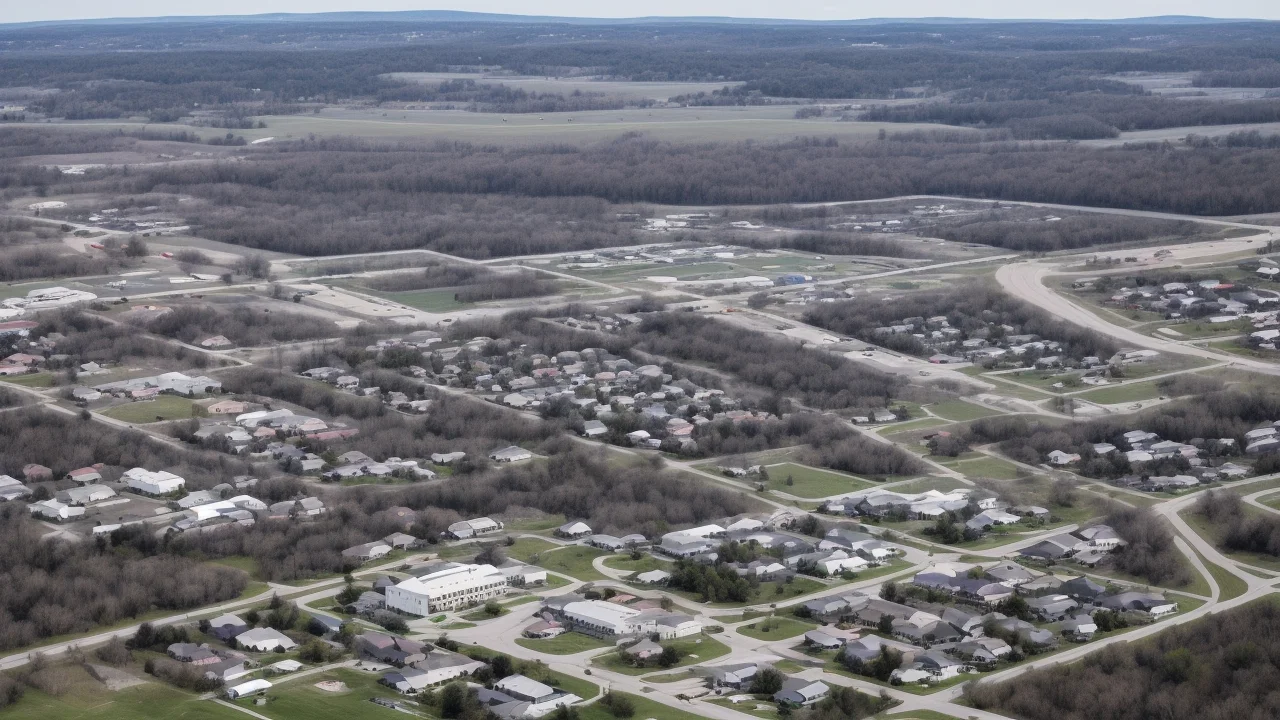
Sarah Mitchell drove through Seneca County’s rural roads last month, scouting locations for her family’s potential move from Rochester. As a marketing director earning $95,000 annually, she figured finding a decent home would be straightforward. Three weeks and dozens of listings later, she’s still searching.

“Everything decent is either way over budget or needs major work,” Mitchell explained during a phone interview. “My husband and I love the area, but we’re starting to wonder if there’s actually a place for middle-class families here.”
Mitchell’s struggle highlights exactly what Seneca County supervisors addressed Tuesday night when they adopted a comprehensive housing strategy designed to tackle this growing problem head-on.

County Supervisors Tackle Housing Crisis with Ambitious Strategy
The Seneca County Board of Supervisors approved the long-awaited Seneca County housing strategy during their February 10 meeting, marking a significant shift in how local government approaches residential development. The decade-long plan specifically targets middle-income households earning around $100,000 annually — exactly the demographic that families like the Mitchells represent.
“We’re not talking about low-income housing here,” explained Supervisor Mary Chen during the meeting. “We’re addressing a gap that’s preventing young professionals and growing families from settling in our county.”

The strategy requires raising and investing at least $1 million annually in targeted housing projects. But the approval didn’t come without heated debate about priorities and implementation.
Supervisor Luke Latini raised concerns that dominated much of the evening’s discussion: Should housing come first, or should the county focus on job creation and economic development simultaneously?

The Jobs Versus Housing Debate Gets Personal
Latini’s questions sparked a passionate exchange among supervisors about fundamental economic development philosophy. He referenced outside feedback suggesting that housing and workforce development must move together to reduce risk and maximize return on investment.
“You can build all the houses you want, but if there aren’t jobs to support them, you’re setting yourself up for failure,” Latini argued during the meeting.

However, other supervisors countered with real-world examples they’ve encountered when courting businesses to the area.
“Every time we talk to potential employers, they ask the same question: Where will our managers and executives live?” noted Supervisor Robert Hayes. “We’re losing economic opportunities because we can’t house the workforce these companies need.”
The debate revealed a classic chicken-and-egg problem facing many rural counties across New York State.
Breaking Down the Strategy’s Key Components
The approved Seneca County housing strategy includes several specific elements designed to address the middle-income housing shortage:
- Annual $1 million investment in targeted housing projects
- Focus on households earning $100,000+ annually
- Ten-year implementation timeline
- Emphasis on attracting middle-income families to strengthen tax base
- Coordination with existing economic development initiatives
- Regular assessment and adjustment mechanisms
The strategy also outlines potential funding mechanisms, though supervisors acknowledged that details still need refinement.
| Strategy Component | Timeline | Target Outcome |
|---|---|---|
| Annual Investment Goal | Starting 2024 | $1 million yearly |
| Target Income Level | Ongoing | $100,000+ households |
| Implementation Period | 2024-2034 | 10-year comprehensive plan |
| Tax Base Impact | 3-5 years | Measurable improvement |
What This Means for Families and Local Businesses
For families like Sarah Mitchell’s, the strategy represents hope for finding suitable housing options within reasonable commuting distance of employment centers.
“If Seneca County can actually deliver on this, it would be huge for people like us,” Mitchell said. “We want to live in a smaller community but not sacrifice housing quality or overpay for outdated properties.”
Local business owners also expressed cautious optimism about the plan’s potential impact on workforce recruitment and retention.
Tom Rodriguez, who owns a manufacturing firm in Waterloo, has struggled to attract skilled managers willing to relocate to the area. “The housing situation has definitely cost us talent,” Rodriguez explained. “When candidates can’t find decent places to live, they simply go elsewhere.”
The strategy could also influence regional development patterns, potentially stemming the outflow of young professionals to larger metropolitan areas.
Real estate professionals in the county have noticed the housing shortage’s impact on market dynamics. Properties in the target price range often receive multiple offers within days of listing, driving prices higher and creating additional affordability challenges.
Implementation Challenges Lie Ahead
Despite the strategy’s approval, supervisors acknowledge that execution will require careful coordination and ongoing adjustments.
The $1 million annual investment target raises questions about funding sources and sustainability over the ten-year timeline. County officials indicated they’re exploring various mechanisms, including public-private partnerships and potential state grant opportunities.
Zoning regulations and local development policies may also need updates to support the strategy’s goals effectively.
“Approving the strategy is just the first step,” warned Supervisor Jennifer Walsh. “The real work starts now with implementation and making sure we can actually deliver on these commitments.”
The strategy will likely face periodic review and adjustment as economic conditions and housing market dynamics evolve over the decade-long implementation period.
FAQs
What is the Seneca County housing strategy?
It’s a ten-year plan to invest $1 million annually in housing projects targeting middle-income families earning around $100,000 per year.
When will the strategy begin implementation?
The plan is set to start in 2024 following its approval by county supervisors in February.
Who qualifies for housing assistance under this strategy?
The strategy primarily targets middle-income households rather than traditional low-income housing programs, focusing on families earning $100,000 or more annually.
How will the county fund this $1 million annual investment?
Specific funding mechanisms are still being developed, but options include public-private partnerships and potential state grants.
Will this strategy create more jobs in Seneca County?
The strategy aims to attract and retain workers by improving housing options, which could indirectly support job growth and business recruitment efforts.
How will success be measured over the ten-year period?
The plan includes regular assessment mechanisms to track progress and make adjustments, though specific metrics haven’t been fully detailed yet.
About the Author