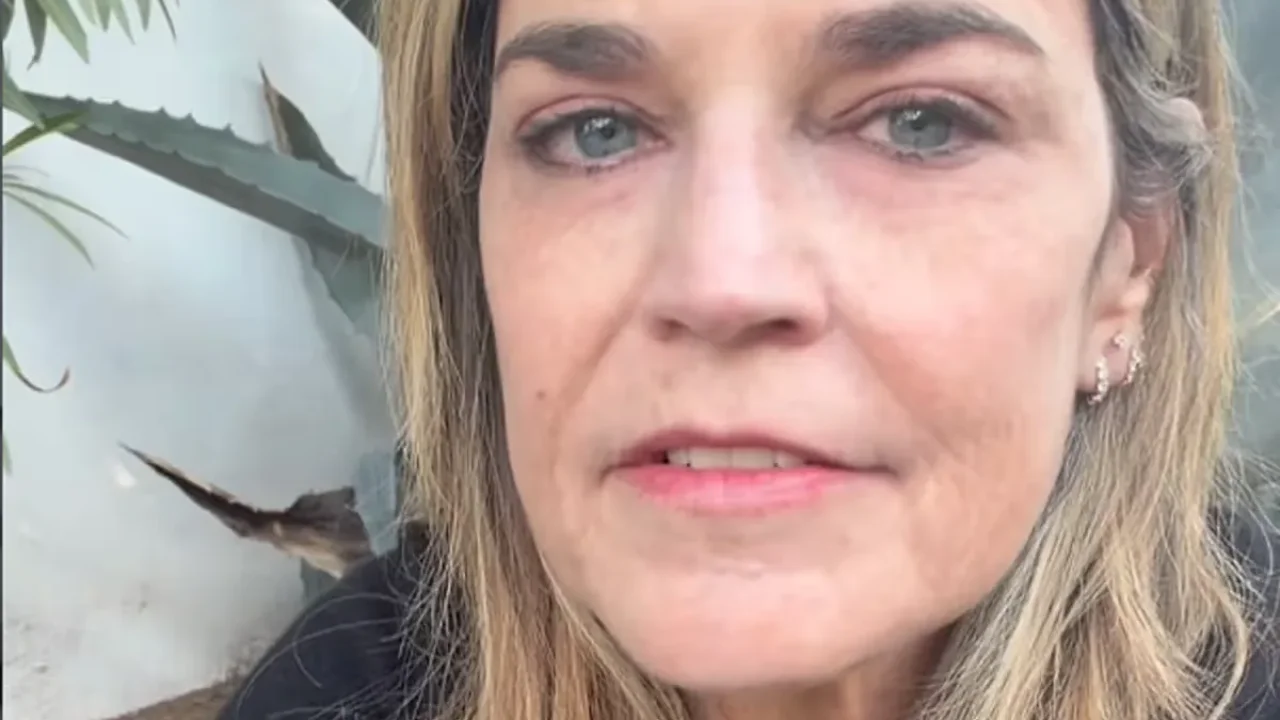
When Sarah Martinez’s teenage daughter didn’t come home from school last year, she found herself doing something she never imagined. Standing in front of her phone camera at 2 AM, tears streaming down her face, she recorded a video message to whoever had taken her child. “I just kept thinking that maybe, if they could see how much pain they were causing, they’d bring her back,” Sarah recalls.
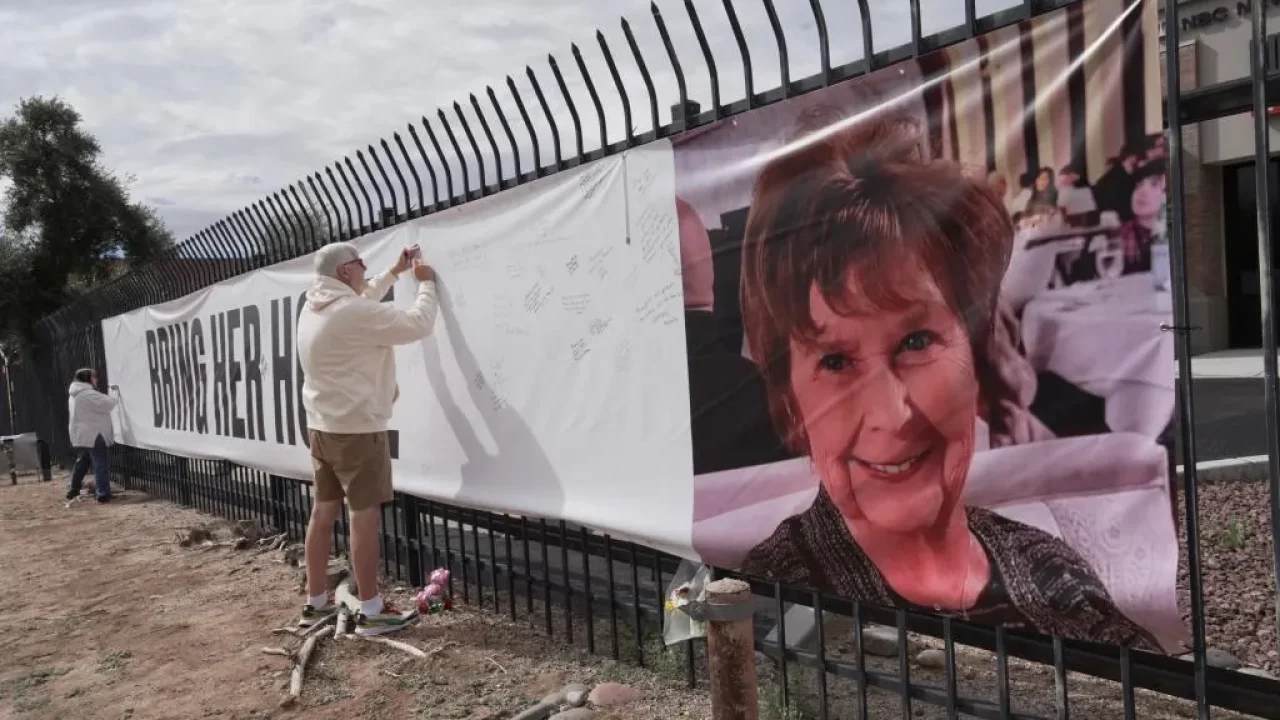
That raw human instinct to reach out, to make a personal connection with someone who has taken your loved one, is exactly what millions are witnessing as Today show anchor Savannah Guthrie battles for her mother’s life. Since Nancy Guthrie disappeared from her Tucson home on January 31, Savannah has been waging a very public psychological campaign that has experts analyzing every word, every gesture, every strategic choice.
The Savannah Guthrie kidnapping case has become more than just a missing person investigation—it’s become a masterclass in crisis communication under the most devastating circumstances imaginable.

The Psychology Behind Savannah’s Video Messages
Former CIA officer and FBI special agent Tracy Walder has been watching Savannah’s approach with professional interest. What she sees isn’t desperation, but strategy. “I think FBI and authorities aren’t necessarily encouraging her or telling her what to do, rather she wants to and is probably asking them if it’s okay to post,” Walder explained to media outlets.
Each video message Savannah posts carries carefully chosen language designed to humanize both her mother and herself to the kidnapper. In her latest Instagram post, she emphasized redemption over punishment: “It’s never too late, and you’re not lost, or alone, and it is never too late to do the right thing.”
This approach represents what Walder calls “trying a different angle.” Rather than threats or demands, Savannah is offering the kidnapper a path back to humanity. “These don’t seem in response to specific ransom demands, rather, let’s just try a different angle to appeal to this kidnapper,” Walder noted.
The psychological impact of seeing a daughter’s pain, broadcast to millions, creates pressure that traditional law enforcement methods cannot. It’s a gamble, but one that could pay off if the kidnapper retains any capacity for empathy.

Critical Evidence and Investigation Updates
While Savannah wages her emotional campaign, investigators are building their case through traditional forensic methods. The discovery of a suspicious black glove near Nancy’s Tucson home has provided the most significant breakthrough yet.
| Evidence Type | Status | Timeline |
|---|---|---|
| Black Glove DNA | Processing in lab | 3-8 weeks for results |
| Surveillance Footage | Analyzed | Suspect identified |
| Genealogy DNA | Pending upload to database | Awaiting final lab results |
| Community Tips | Ongoing investigation | Multiple leads daily |
Key details about the investigation include:
- The glove matches surveillance footage from the night Nancy disappeared
- DNA found on the glove differs from other samples at the scene
- Four individuals were detained last Friday but later released
- The reward has been increased to $100,000
- FBI describes suspect as male, 5’9″ to 5’10” with average build
“I don’t view Friday as a ‘fail’ rather the community is doing what they should,” Walder commented about the temporary detentions, praising residents for reporting potential leads in the Savannah Guthrie kidnapping case.
The DNA processing could be crucial. Walder hopes investigators are “processing the genealogy DNA,” though she cautioned that this advanced technique can take three to eight weeks to complete. This method has solved countless cold cases by identifying suspects through distant relatives who have submitted DNA to genealogy websites.
The Ripple Effect on Families and Media Strategy
The public nature of Savannah’s fight for her mother has created unprecedented attention for missing person cases involving elderly victims. Nancy Guthrie, at 84, represents a vulnerable population that doesn’t always receive extensive media coverage when they disappear.
Savannah’s decision to remain in Tucson, away from her high-profile role on the Today show, demonstrates the personal cost of this strategy. She’s essentially putting her career on hold to focus entirely on bringing Nancy home. The videos, sometimes featuring her siblings Camron and Annie, show a coordinated family effort that experts say maximizes emotional impact.
“What Savannah is doing takes incredible courage,” says crisis communication specialist Dr. Amanda Rivers. “She’s making herself vulnerable on a global stage, but that vulnerability could be exactly what breaks through to whoever has her mother.”
The approach has already influenced how other families handle similar tragedies. Social media has become a powerful tool for generating tips and maintaining public attention, but it requires careful balance to avoid compromising law enforcement efforts.
The Savannah Guthrie kidnapping case has also highlighted the role of community involvement in missing person cases. Tucson residents have been actively reporting potential leads, creating a network of eyes and ears that extends far beyond traditional law enforcement capabilities.
For other families facing similar nightmares, Savannah’s approach offers both hope and a potential roadmap. The combination of emotional appeal, strategic media use, and cooperation with law enforcement represents a modern approach to crisis management that acknowledges both the power of social media and the importance of professional investigation.
As the investigation continues, the balance between public pressure and private anguish plays out in real time. Each video Savannah posts carries the weight of desperation and hope in equal measure, creating a psychological dynamic that could ultimately determine whether Nancy Guthrie comes home safely.
The coming weeks will reveal whether this unprecedented combination of emotional warfare and forensic science can solve a case that has captured national attention and broken the hearts of millions who watch Savannah’s pain unfold one video at a time.
FAQs
How long has Nancy Guthrie been missing?
Nancy Guthrie has been missing since January 31, making this an ongoing investigation that has lasted several weeks.
Is law enforcement directing Savannah Guthrie’s video messages?
According to former CIA analyst Tracy Walder, Savannah is taking the initiative on her video messages, likely checking with authorities for approval rather than being directed by them.
What evidence do investigators have in the case?
The most significant evidence is a black glove found near Nancy’s home that matches surveillance footage and contains DNA different from other samples at the scene.
How much is the reward for information about Nancy Guthrie?
The reward for information leading to Nancy Guthrie’s safe return has been increased to $100,000.
What does the suspected kidnapper look like?
The FBI describes the suspect as a male approximately 5-foot-9 or 5-foot-10 with an average build, based on surveillance footage.
Will Savannah Guthrie return to the Today show soon?
Reports indicate Savannah plans to remain in Tucson away from the Today show for the foreseeable future as the search for her mother continues.
About the Author