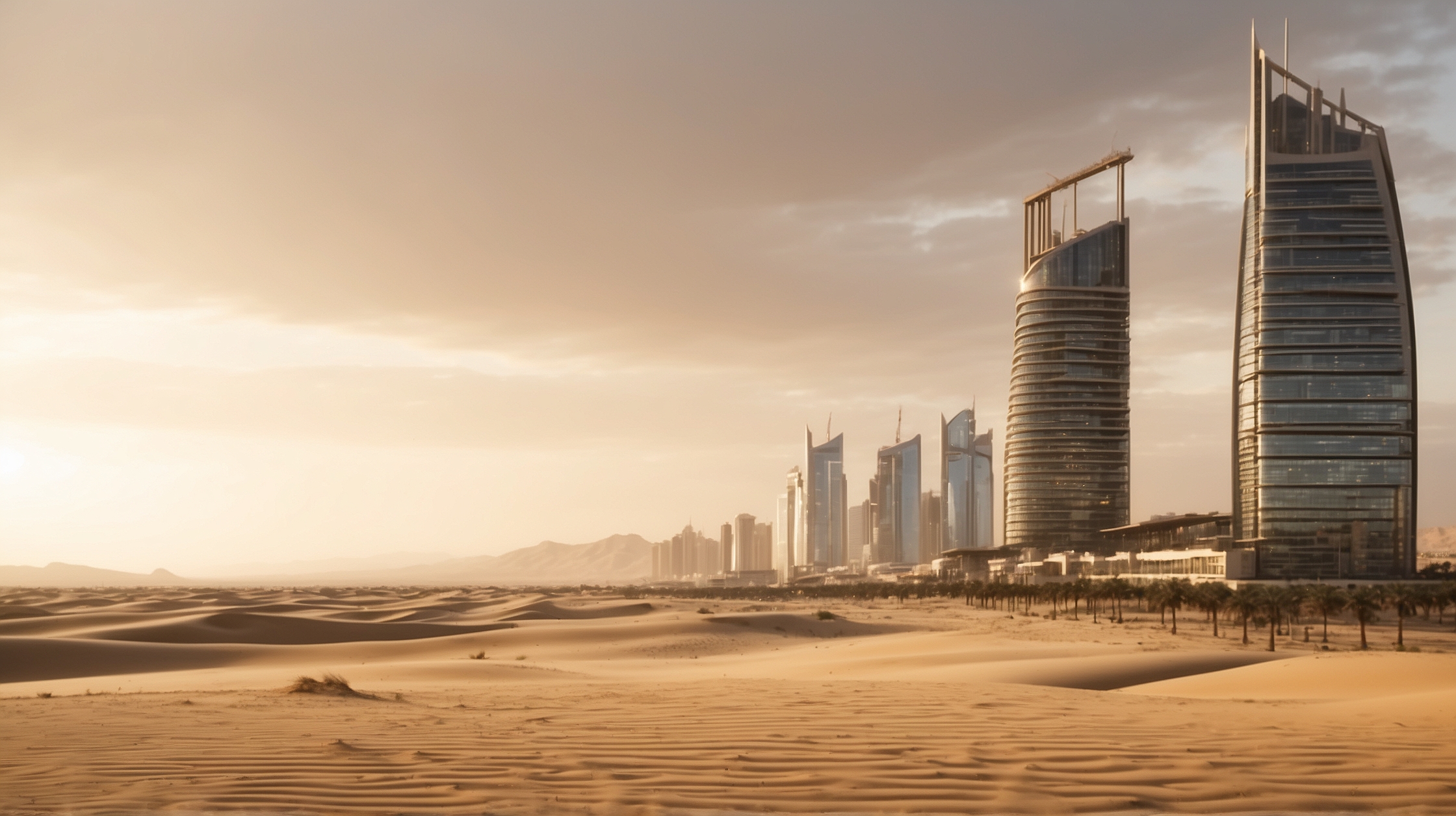
Once envisioned as a revolutionary model for future living, Saudi Arabia’s ambitious desert megacity, **The Line**, has taken a sharp turn in trajectory. Originally marketed as a 100-mile-long linear city housing up to 9 million residents, the massive urban project has reportedly seen its scope dramatically **scaled back**. After pouring billions of dollars into initial development, new reports suggest that by 2030, only a sliver of the original vision may come to life—raising concerns about financial sustainability, feasibility, and geopolitical optics.
After years of high-profile marketing and architectural fanfare, only a fraction of the intended infrastructure has materialized. Global attention has swiftly turned from amazement to skepticism, as projected milestones are being quietly adjusted. Once touted as the centerpiece of Saudi Arabia’s Vision 2030, **The Line** may now symbolize the growing pains of marrying ultramodern design with practical logistics in one of the world’s harshest environments. Stakeholders, citizens, and observers are beginning to ask where this leaves the country’s broader aspirations for diversification and regional leadership.
Project Overview at a Glance
| Project Name | The Line (Part of NEOM) |
| Original Plan | 100-mile linear city for 9 million residents |
| Revised Plan | Construction of only 1.5 miles by 2030 |
| Initial Budget | $500 billion |
| Current Status | Selective development; 2% of total projected reach |
| Primary Backer | Saudi Arabia’s Public Investment Fund (PIF) |
| Major Goals | Economic diversification, innovation hub, tourism magnet |
What triggered the dramatic scale-back
The pivot from a sprawling 100-mile smart city to only a 1.5-mile experimental build may seem abrupt, but several driving forces have contributed to this **paradigm shift**. Internally, construction logistics, labor costs, and infrastructural challenges have significantly slowed progress. Developing a city without cars, streets, or emissions in the blazing Saudi desert proved more complicated than simulations suggested. With deadlines looming and budget overruns increasing, focusing on a manageable subsection appears to be a pragmatic recalibration rather than sheer abandonment.
Externally, macroeconomic pressures including volatile oil prices, geopolitical tensions, and inflation in global supply chains have squeezed financing capacity. Interest in foreign investment has waned, and questions about timelines, deliverables, and human rights issues have fueled **global skepticism**. Banks and private investors remain cautious, influencing the nation to re-evaluate project scale and financial exposure.
How the Line fits within Saudi Arabia’s Vision 2030
Vision 2030 is Saudi Arabia’s ambitious economic transformation roadmap designed to reduce dependency on oil revenues and position the kingdom as a leader in renewable energy, technology, and tourism. **The Line** was to be its crown jewel — a completely car-free, zero-carbon ecological utopia spanning the desert, powered by artificial intelligence and green energy.
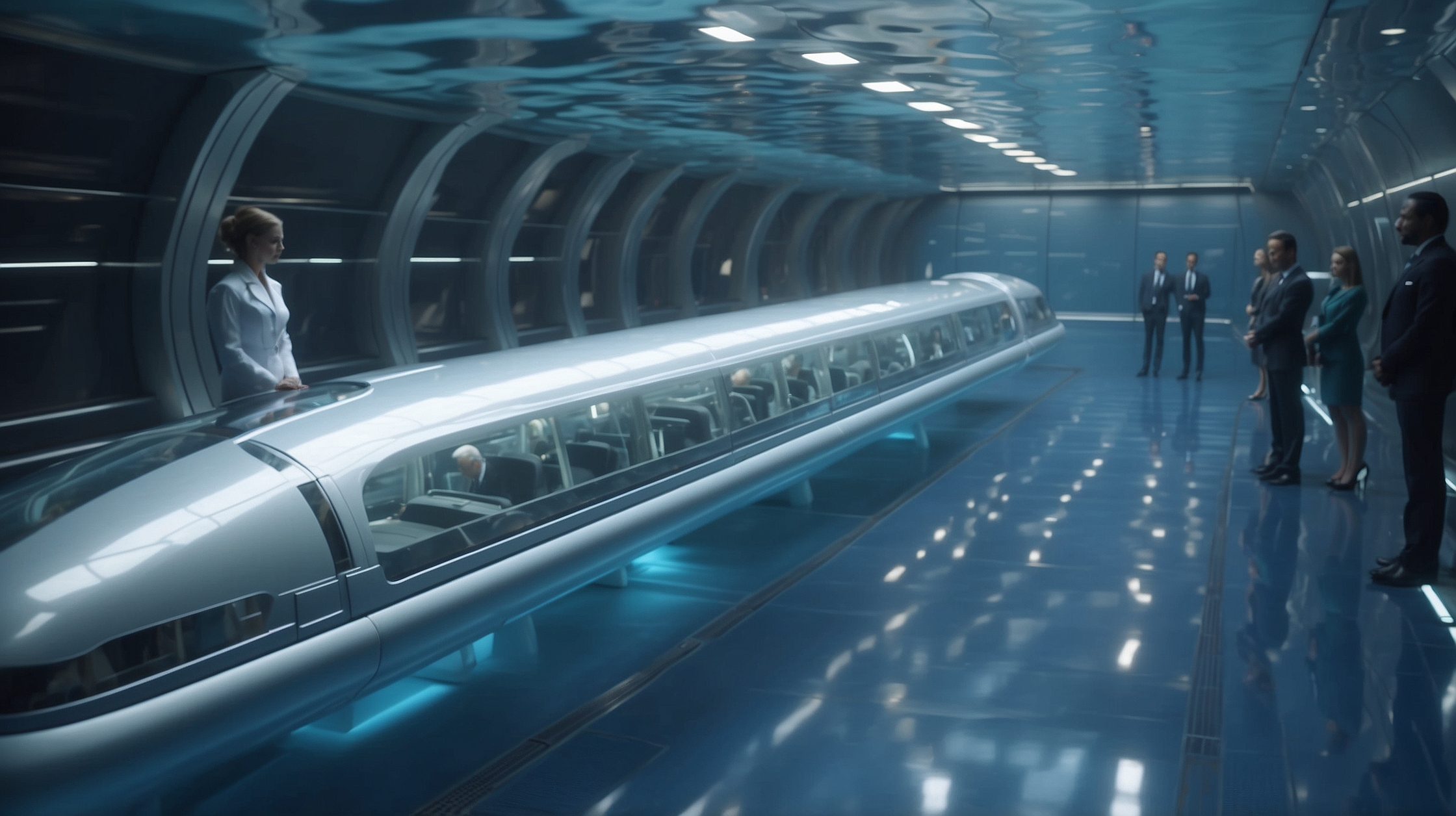
Reducing the megacity’s scope represents an **ideological adjustment** to Vision 2030 rather than a retreat. Officials now suggest that showcasing a working segment of the project may offer a powerful enough proof of concept to attract further investment. Nonetheless, downgrading expectations on symbolic efforts could impact confidence in broader diversification strategies.
“The buildout required an unprecedented fusion of technology, architecture, and natural sustainability — compressing that into a handful of miles makes it more of a testbed than a template.”
— Dr. Lina Farid, Urban Planning AnalystAlso Read What Bianca Censori really said about Kanye in her first major interview shocked everyone
Inside the current development status
Recent images and reports from NEOM, the region designated for The Line, show early-stage construction and support infrastructure, but absence of the vertical, mirror-walled superstructures promised in original renderings. Only about **2% of the total planned city** is expected to be completed by 2030, targeting a population of 300,000 compared to the original 9 million goal. That’s a dramatic scale-back almost equivalent to reducing a skyscraper to a hut to demonstrate concept feasibility.

Construction work continues, particularly around logistics and support zones such as rail systems, temporary housing, and foundational architecture. Experts believe the reduced length carries symbolic importance — demonstrating function over form in a contained space may be just enough to sustain momentum in a diplomatic and financial sense.
Public reaction and shifting narratives
Reaction to the updated scope has been mixed. While supporters argue that modular development offers smarter risk management and iterative learning, detractors see it as a definitive downgrade from an oversold dream. Critics accuse officials of falling for **”technological utopianism”**, betting big on ambition without understanding boots-on-the-ground challenges.
The change is already rippling across global architecture and urbanism forums. Once hailed as “the most ambitious infrastructure ever attempted,” The Line is now being positioned by some insiders as a “sandbox” — where experimental ideas are incubated rather than cities built.
“The pivot toward a shorter prototype was likely inevitable. The risk of overpromise and underdelivery is a reputational iceberg for the kingdom’s future ambitions.”
— Mark Jensen, Middle East Investment Strategist
Winners and losers from the revised megacity plan
| Winners | Losers |
|---|---|
| Government budget planners regaining fiscal flexibility | Architectural firms banking on large-scale contracts |
| Environmental groups wary of rapid desert disruption | Tech developers with expansive AI infrastructure visions |
| Small contractors and suppliers focused on early stages | International investors seeking large-scale equity stakes |
| Vision 2030’s iterative implementation advocates | Citizens and expatriates planning permanent relocation |
Looking ahead: What’s next for NEOM and Saudi innovation
While The Line represents a symbolic downshift, it is not a full stop. Saudi Arabia remains committed to NEOM as the nucleus for innovation, renewable energy, and smart city technologies. Projects such as Oxagon — a floating industrial city — and Trojena — a mountain tourism zone — continue to receive attention and funding. Scaling back The Line allows authorities to adopt a **phased development approach** that could stretch beyond 2030.
The success of the current 1.5 miles may decide the project’s long-term fate. If it evolves into a masterpiece of sustainable living and urban efficiency, the truncated Line may regain its energy and funding. If not, it could become a cautionary tale in the annals of architectural ambition and geopolitical rebranding.
“We shouldn’t look at this as a failure, but as a reset. Revolutionary ideas rarely launch at full scale—this pivot might just save the vision in the long run.”
— Sarah Al-Mutairi, Sustainability Consultant
Frequently Asked Questions (FAQs)
What is The Line and where is it located?
The Line is a planned smart city in the NEOM region of northwestern Saudi Arabia. Initially intended to span 100 miles, it is envisioned as a zero-carbon, car-free urban space built in a straight line across the desert.
Why was The Line scaled back?
The project faced logistical challenges, budget overruns, and a cooling investment climate, prompting developers to concentrate on a smaller 1.5-mile section to serve as a testbed for the overall vision.
How many people will live in The Line by 2030?
Current expectations suggest that by 2030, The Line may house around 300,000 people, down significantly from the original 9 million target.
Is The Line part of a larger initiative?
Yes, The Line is a flagship component of Saudi Arabia’s Vision 2030 plan, which aims to diversify the economy and position the kingdom as a leader in innovation and sustainability.
Will the rest of The Line be built after 2030?
Possibly. Officials indicate the condensed prototype could pave the way for phased expansion post-2030, based on success metrics and global investor sentiment.
How much investment has gone into The Line so far?
While exact figures remain confidential, reports suggest several billion dollars have already been spent on planning, early construction, and infrastructure development.
What are some alternatives being prioritized in NEOM?
Beyond The Line, other major NEOM projects include Oxagon (floating industrial city), Trojena (mountain resort), and Sindalah (luxury island destination), all part of the broader strategy to attract tourism and innovation.
Can foreign citizens invest or move into The Line?
Investment prospects are open but currently in early stages. Permanent residency options and business licenses are expected once initial segments become operational.
About the Author