Maryna clutched her three-year-old daughter tighter as the air raid sirens wailed across Kyiv once again. This was the third alert in two days, and like thousands of other Ukrainian mothers, she knew the drill: grab the emergency bag, head to the nearest shelter, and pray that the city’s air defenses would hold. What she didn’t know was that her family’s safety might soon depend on cutting-edge French technology that hasn’t even been deployed by France itself.
These moments of terror, repeated across Ukrainian cities daily, have become the brutal backdrop for one of the most significant defense partnerships in modern European history. The constant threat from above has transformed Ukraine into an unlikely laboratory for the continent’s most advanced air defense systems.
The stakes couldn’t be higher. Every successful intercept means families like Maryna’s get to sleep peacefully. Every failure could mean devastation for entire neighborhoods.
France’s Bold Gamble: Eight Systems That Could Change Everything
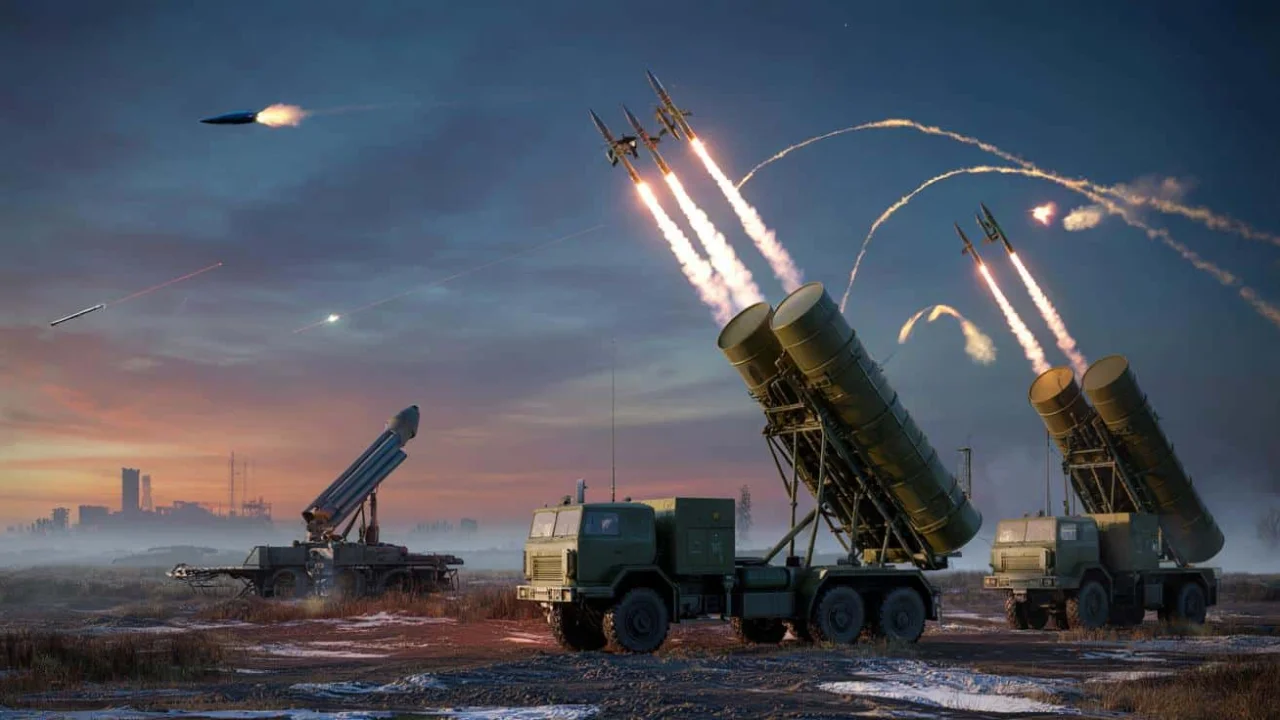
France has just announced plans to deliver eight SAMP/T NG air defence systems to Ukraine, marking a revolutionary moment in European military cooperation. These aren’t just any missile interceptors – they’re the newest generation of technology that France and Italy are still perfecting for their own armed forces.
The commitment forms part of a comprehensive 10-year bilateral defense agreement that goes far beyond traditional military aid. We’re talking about 48 individual launchers specifically designed to create an umbrella of protection over Ukrainian cities and critical infrastructure.
“This represents the most advanced air defense capability Europe has ever produced,” explains defense analyst Sarah Mitchell. “France is essentially giving Ukraine access to technology that’s more sophisticated than what most NATO countries currently possess.”
The SAMP/T NG (Surface-to-Air Missile Platform/Terrain New Generation) systems represent a quantum leap from earlier models. While the original SAMP/T could handle multiple targets simultaneously, the new generation can engage hypersonic missiles, swarm attacks, and coordinate seamlessly with other defense networks.

What makes this deal particularly extraordinary is the timeline. Ukraine will become the first country to deploy these systems operationally, even before France completes its own military rollout. That’s unprecedented in modern defense partnerships.
Breaking Down the Technology That Matters
Understanding what makes SAMP/T NG air defence systems so special requires looking at the technical specifications that could save lives:
| Capability | SAMP/T NG Specifications | Why It Matters for Ukraine |
|---|---|---|
| Range | Up to 150 km | Protects entire metropolitan areas |
| Altitude | 25+ km ceiling | Intercepts high-altitude ballistic missiles |
| Simultaneous Targets | 16+ threats | Handles coordinated swarm attacks |
| Missile Types | Aster 15/30 Block 1NT | Advanced kinetic kill capability |
| Response Time | Under 10 seconds | Critical for hypersonic threats |
The systems use advanced radar technology that can track objects moving at speeds exceeding Mach 5. For Ukrainian defenders, this means the ability to intercept Russia’s most advanced Kinzhal hypersonic missiles – something few air defense systems worldwide can accomplish.
Key technical advantages include:
- Multi-layer defense integration: Works seamlessly with existing Patriot and other NATO systems
- 360-degree coverage: No blind spots for approaching threats
- Electronic warfare resistance: Advanced countermeasures against jamming
- Mobile deployment: Can be repositioned quickly as battlefield conditions change
- Reduced logistical footprint: Fewer personnel required for operation than older systems
“The beauty of this system is its adaptability,” notes former NATO defense planner Colonel James Richardson. “It’s like having a Swiss Army knife for air defense – versatile enough to handle anything Russia might throw at it.”
The agreement also includes comprehensive training packages for Ukrainian operators, maintenance support, and ammunition supplies. France is essentially building a complete ecosystem around these systems rather than just delivering hardware.
What This Means for Families Under Fire
For ordinary Ukrainians living under constant threat, these sophisticated systems translate into something much simpler: hope. The enhanced protection could fundamentally change daily life in major Ukrainian cities.
Consider the immediate impact on civilian infrastructure. Power plants, hospitals, and schools – all frequent targets of Russian missile strikes – would gain significantly better protection. The psychological effect alone could be transformative for communities that have endured years of aerial bombardment.
“When parents don’t have to worry about missiles hitting their children’s schools, everything changes,” explains humanitarian worker Elena Petrov, who has worked in Ukraine since the conflict began. “It’s not just about the technology – it’s about giving people back their sense of normalcy.”
The economic implications extend far beyond immediate defense needs. International businesses and investors closely monitor infrastructure security when making long-term commitments. Robust air defenses could accelerate Ukraine’s post-war reconstruction by providing the stability necessary for major investments.
Regional implications are equally significant. Other European nations are watching this partnership closely, understanding that Ukraine’s defense capabilities directly impact continental security. A well-defended Ukraine serves as a buffer and testing ground for technologies that may eventually protect all of Europe.
The timeline for deployment remains classified, but defense sources suggest the first systems could arrive within 18 months. Training Ukrainian operators will begin immediately, with some personnel likely heading to France for intensive courses on system operation and maintenance.
“This isn’t just about winning today’s war,” emphasizes strategic analyst Dr. Michael Thornton. “France is investing in Ukraine as a long-term security partner for the next decade and beyond.”
The broader context includes simultaneous negotiations for 100 Rafale fighter jets, creating a comprehensive air defense and air superiority package. Together, these systems could position Ukraine among the most air-defense-capable nations in Europe.
For families like Maryna’s, hiding in basements and subway stations, these advanced systems represent something invaluable: the possibility that their children might grow up without the sound of air raid sirens defining their childhood memories.
FAQs
What makes SAMP/T NG different from other air defense systems?
The new generation version can intercept hypersonic missiles and handle multiple sophisticated threats simultaneously, capabilities that most existing systems lack.
How long will it take for Ukraine to receive these systems?
While exact timelines remain classified, defense sources suggest the first deployments could occur within 18 months of the agreement signing.
Will Ukrainian forces need special training to operate these systems?
Yes, extensive training programs are included in the agreement, with Ukrainian personnel likely traveling to France for comprehensive courses.
How many missiles can each system launch?
Each of the eight systems includes six launchers, providing 48 launch platforms total, with reload capabilities for sustained operations.
Are these systems better than American Patriot missiles?
The SAMP/T NG offers comparable capabilities to the latest Patriot variants but with some advantages in mobility and multi-target engagement.
What happens if these systems are damaged or captured?
The agreement includes comprehensive maintenance support and replacement provisions, plus advanced self-destruct capabilities to prevent technology compromise.
About the Author