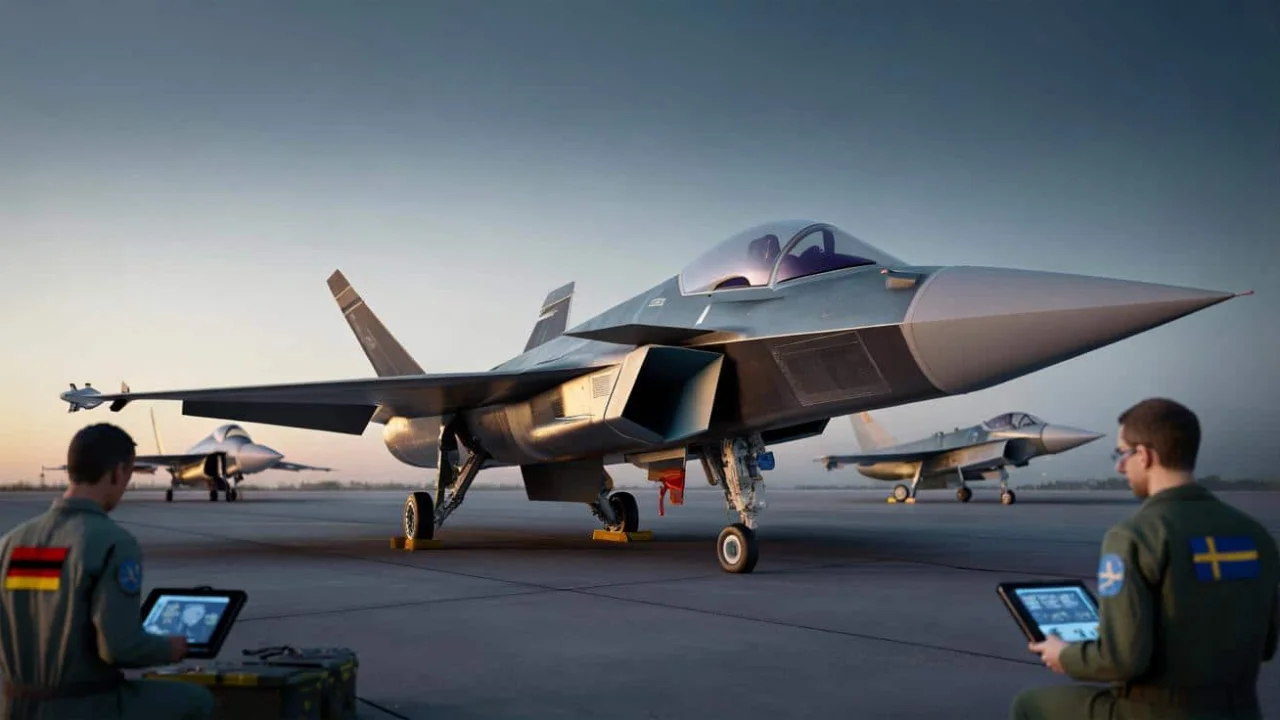
Captain Erik Lindström remembers the exact moment he first flew a Saab Gripen over the Swedish countryside in 2018. The nimble fighter jet responded to his touch like an extension of his own reflexes, cutting through the air with precision that made his previous aircraft feel clumsy by comparison.
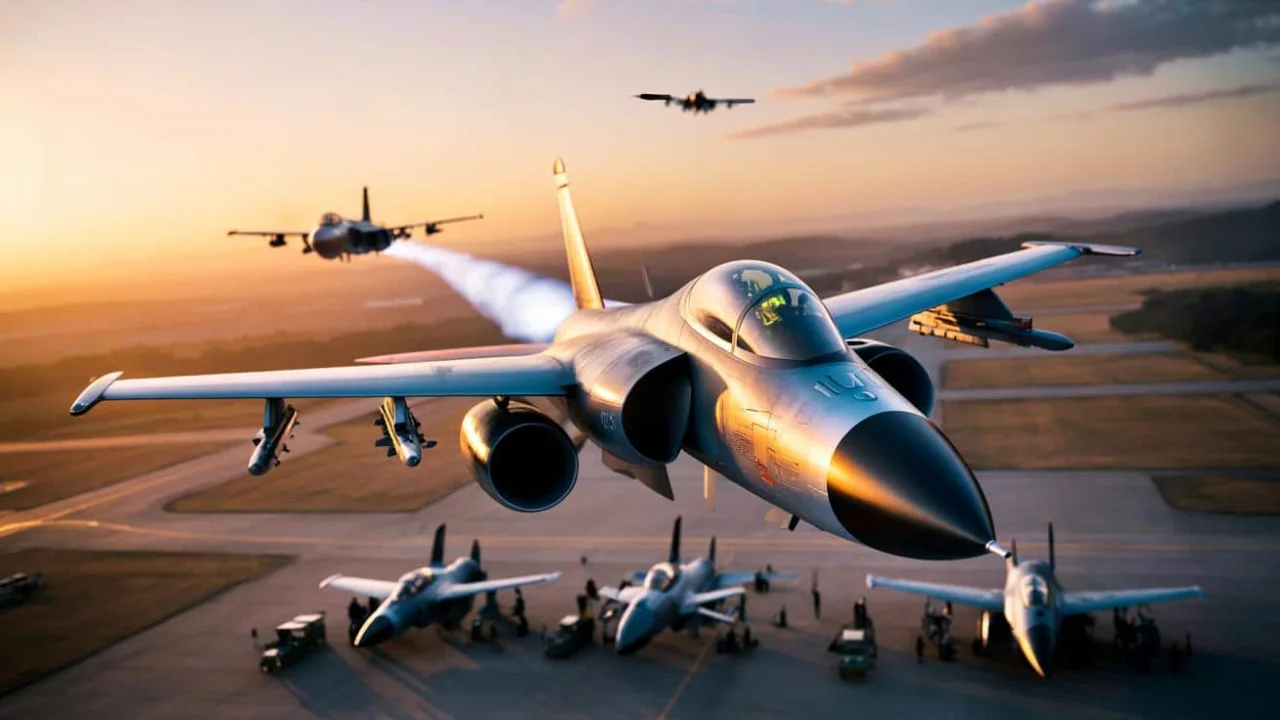
“It wasn’t just the technology,” he recalls. “It was how everything worked together seamlessly. The radar, the weapons systems, even the cockpit layout—it all made sense.”
That same intuitive design philosophy might soon find its way into German skies, as Sweden’s Saab has made a bold move to partner with Europe’s largest economy on future fighter jet development. For pilots like Lindström and defense planners across Europe, this isn’t just corporate maneuvering—it’s about who controls the skies in an increasingly dangerous world.
Why Saab’s German Gambit Changes Everything
The announcement from Saab’s chief executive Micael Johansson represents more than just business opportunity. It’s a direct challenge to Europe’s existing defense relationships and a potential lifeline for Germany’s struggling fighter jet ambitions.
Currently, Germany participates in the Future Combat Air System (FCAS) alongside France and Spain—a project designed to create sixth-generation fighter capabilities by 2040. But FCAS has faced repeated delays, budget overruns, and political tensions between partner nations.
“Germany is looking for alternatives because FCAS keeps hitting roadblocks,” explains defense analyst Maria Karlsson. “Saab is offering them a proven track record and faster timeline.”
The timing couldn’t be more critical. Russia’s ongoing war in Ukraine has exposed gaps in European air defense capabilities, while China’s military modernization program continues at breakneck speed. European air forces need modern fighters now, not in two decades.
What Makes This Partnership So Compelling
The Saab Germany fighter jet collaboration offers several advantages that traditional European defense programs have struggled to deliver. Here’s what sets this potential partnership apart:
- Proven Technology: Saab’s Gripen already flies with multiple air forces and has demonstrated combat effectiveness
- Faster Development: Building on existing platforms could cut development time by years compared to starting from scratch
- Cost Control: Sweden’s efficient defense industry has a track record of delivering projects on time and within budget
- Industrial Cooperation: Germany’s Airbus Defence would maintain significant manufacturing and design roles
- Sovereign Capabilities: Both nations would retain independent fighter jet production capabilities
The numbers tell a compelling story about why Germany might be interested:
| Program Aspect | FCAS Current Status | Saab Alternative |
|---|---|---|
| Expected Delivery | 2040 (optimistic) | 2032-2035 |
| Development Cost | €100+ billion | €40-60 billion estimated |
| Partner Nations | 3 (complex negotiations) | 2 (streamlined decisions) |
| Existing Technology Base | Limited | Proven Gripen platform |
“The beauty of working with Saab is their pragmatic approach,” notes former Luftwaffe pilot Hans Mueller. “They build fighters that work, not just fighters that look good on paper.”
Real Stakes for European Defense
This isn’t just about which company wins a contract—it’s about Europe’s ability to defend itself in an increasingly multipolar world. The Saab Germany fighter jet partnership could reshape the continent’s defense industrial landscape for decades.
German defense procurement has been notoriously slow and bureaucratic. The country’s Eurofighter Typhoon program took over two decades from conception to full operational capability. Meanwhile, the Luftwaffe currently operates a mix of aging aircraft that will need replacement within the next decade.
Sweden faces its own pressures. As a new NATO member, the country needs to ensure its defense industry remains competitive while contributing to alliance capabilities. Partnering with Germany would provide access to larger markets and more substantial R&D budgets.
“This partnership makes sense for both countries,” explains Stockholm-based defense economist Lars Andersen. “Germany gets proven technology and faster delivery, while Sweden gains industrial scale and financial backing.”
The implications extend beyond just two nations. Other European countries watching FCAS struggle might see the Saab-Germany collaboration as a more attractive option. Finland, Poland, and several Eastern European nations already operate Swedish defense equipment and could join a broader program.
For European taxpayers, the choice could mean billions in savings and more capable defense forces arriving years earlier than current timelines suggest. The alternative—continuing with programs that face constant delays—risks leaving European skies vulnerable during a critical period.
Johansson’s offer to Germany represents more than corporate strategy. It’s a recognition that European defense cooperation needs new approaches if it’s going to meet 21st-century threats. Whether Berlin takes the bait could determine not just the future of two defense industries, but the security of an entire continent.
The clock is ticking, and in the world of fighter jet development, every year of delay means falling further behind adversaries who aren’t waiting for Europe to make up its mind.
FAQs
What makes Saab different from other fighter jet manufacturers?
Saab has built a reputation for delivering capable, cost-effective fighter aircraft on time and within budget, unlike many larger European defense programs that face frequent delays.
Why is Germany considering alternatives to FCAS?
The FCAS program has experienced repeated delays, cost overruns, and political disagreements between partner nations, making alternative options increasingly attractive.
How quickly could a Saab-Germany fighter jet be developed?
Building on Saab’s existing Gripen technology, a joint program could potentially deliver new aircraft by 2032-2035, significantly faster than FCAS’s 2040 timeline.
Would this partnership affect Germany’s relationship with France?
Any German pivot toward Sweden could strain Franco-German defense cooperation, though Germany might maintain involvement in both programs.
What would this mean for other European air forces?
A successful Saab-Germany partnership could attract other European nations seeking modern fighter aircraft, potentially creating a competing European defense bloc.
How does this relate to NATO requirements?
Both Sweden and Germany are NATO members, so any joint fighter program would need to meet alliance interoperability standards and contribute to collective defense capabilities.
About the Author