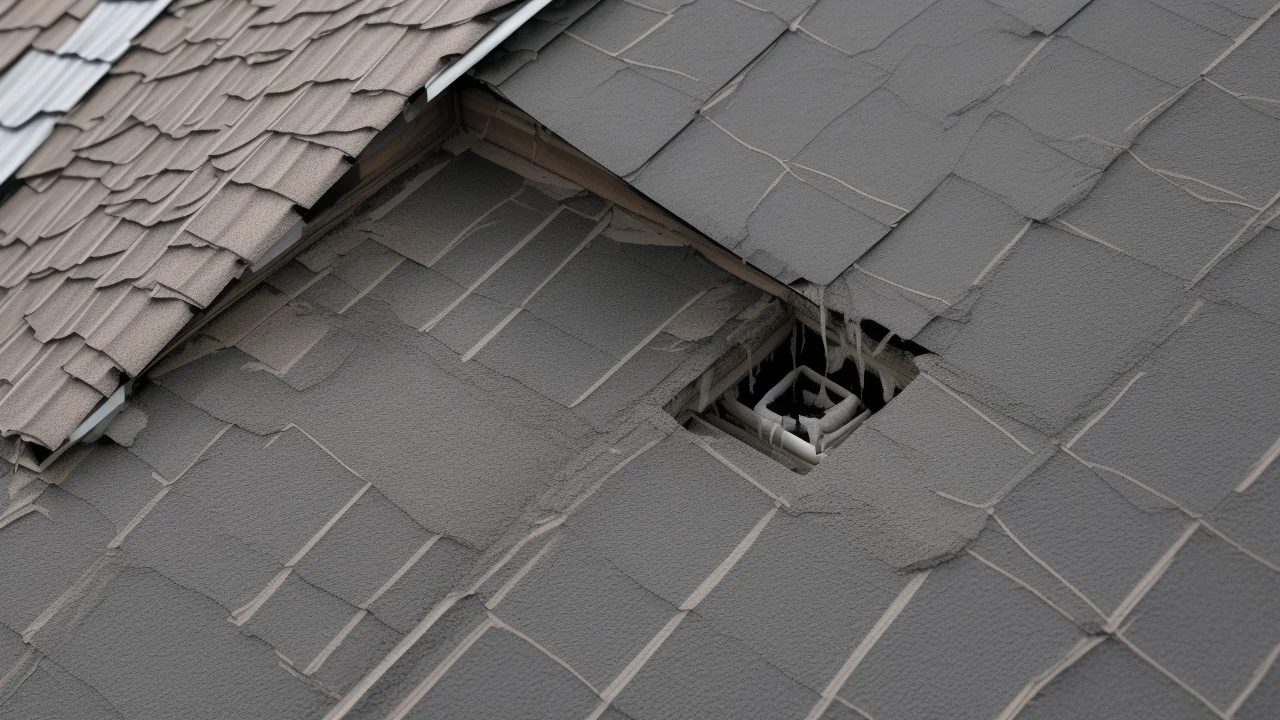
Sarah thought she’d struck gold when she installed those beautiful LED soffit lights around her porch last spring. The warm glow made her home the envy of the neighborhood, and guests constantly complimented the elegant lighting design. But by November, one fixture started flickering mysteriously during rainstorms, and by January, two more had completely failed.

What Sarah discovered next shocked her. When the electrician removed the dead fixtures, water literally poured out of the junction boxes. The moisture hadn’t come from a dramatic roof leak or burst pipe – it had silently crept in through dozens of tiny pathways along her roof edges, places she never knew existed.
Sarah’s experience highlights a critical blind spot that catches thousands of homeowners off guard every year. Roof moisture infiltration doesn’t just threaten your lighting – it’s quietly undermining the safety and longevity of your entire electrical system.

The Hidden Water Highways Above Your Head
Most people picture roof moisture problems as dramatic waterfalls cascading through ceiling tiles. The reality is far more insidious. Water moves along your roof edges like a sophisticated highway system, following paths that seem impossible until you understand the physics involved.
Your roof edge isn’t just a simple boundary between house and sky. It’s a complex intersection where multiple building materials meet, flex, and age at different rates. Shingles expand and contract with temperature swings. Gutters shift under ice loads. Fascia boards warp slightly with seasonal humidity changes.

“People assume that if they don’t see water dripping inside their house, everything’s fine,” explains residential building consultant Mark Rodriguez. “But roof moisture infiltration happens in microscopic amounts over months and years. By the time you notice electrical problems, the damage is already extensive.”
The roof edge creates what engineers call “micro-climates” – small zones where temperature, humidity, and air movement create perfect conditions for moisture accumulation. Your expensive outdoor lighting sits right in the middle of these problem zones.

Where Water Finds Its Way In
Understanding how roof moisture infiltration actually happens can save you thousands in repair costs and potential safety hazards. Here are the most common pathways that even experienced contractors sometimes overlook:
- Gutter overflow zones: During heavy rain, even properly sized gutters can temporarily overflow, sending water directly onto fascia boards where electrical boxes are mounted
- Capillary action along shingle edges: Water molecules naturally climb upward along rough surfaces, allowing moisture to travel behind drip edges
- Thermal bridging through metal components: Metal fixtures conduct temperature changes, creating condensation points where warm, humid air meets cooler surfaces
- Fastener penetrations: Every screw hole becomes a potential water entry point when sealants age and shrink
- Material junction gaps: Where different materials meet – like vinyl soffits against wood fascia – expansion rates create microscopic openings

Wind-driven rain makes these problems exponentially worse. A gentle vertical rainfall might never penetrate your roof edge defenses, but add a 20-mph crosswind, and water suddenly flows upward, sideways, and into gaps that seemed perfectly sealed in calm conditions.
| Moisture Source | Risk Level | Common Locations | Detection Difficulty |
|---|---|---|---|
| Gutter overflow | High | Downspout corners, fascia joints | Moderate |
| Capillary seepage | Medium | Shingle edges, drip edge gaps | Very High |
| Condensation buildup | Medium | Metal fixtures, junction boxes | High |
| Wind-driven infiltration | High | Corner exposures, soffit vents | Moderate |
| Material movement | Low | Expansion joints, fastener points | Very High |
“The tricky thing about roof edge moisture is that it’s almost always intermittent,” notes licensed electrician Jennifer Chen. “A fixture might work perfectly for weeks, then act up during the next storm, making diagnosis incredibly frustrating for homeowners.”
The Real Cost of Ignoring These Warning Signs
When roof moisture infiltration reaches your lighting system, you’re looking at far more than just replacing a few fixtures. The cascading effects can impact your home’s safety, value, and insurance coverage in ways most people never consider.
Electrical safety becomes the immediate concern. Water and electricity create dangerous ground fault conditions that can trip breakers, damage appliances connected to the same circuit, or worse – create fire hazards. Even small amounts of moisture can cause GFCI outlets to malfunction, leaving you without the protection they’re designed to provide.
Property damage extends beyond the obvious electrical repairs. Moisture infiltration that starts at roof-mounted lighting often indicates broader problems with your home’s weather envelope. Insurance adjusters increasingly look for patterns of moisture damage when evaluating claims, and repeated electrical failures can raise red flags about maintenance and building integrity.
The hidden costs really add up when you factor in diagnostic time, access equipment, and the reality that roof edge work often requires scaffolding or lift rentals. Many contractors quote lighting repairs at ground level prices, then discover the true scope once they’re actually working on your roof edge.
“I’ve seen homeowners spend more on repeatedly fixing moisture-damaged fixtures than they would have spent on a proper roof edge moisture prevention system from the start,” explains roofing contractor David Martinez. “It’s one of those situations where an ounce of prevention really is worth a pound of cure.”
Professional-grade solutions exist, but they require coordination between roofing, electrical, and sometimes HVAC trades. Proper drip edge installation, strategic gutter placement, vapor barrier considerations, and fixture selection all work together as a system. When one component fails, it often creates a domino effect that compromises the others.
Smart homeowners are increasingly treating roof edge lighting as a building envelope issue, not just an electrical project. This means involving roofing professionals in the planning stage, using purpose-built moisture management products, and designing maintenance access that doesn’t require heroic ladder work twice a year.
FAQs
How often should I inspect my roof edge lighting for moisture problems?
Check your fixtures quarterly, especially after severe weather events, and schedule professional inspection annually before peak storm season.
Can I tell if moisture is affecting my electrical system before fixtures fail completely?
Yes, look for flickering during rain, dimmer operation, rust stains around mounting points, or GFCI outlets that trip frequently during wet weather.
Do LED fixtures handle moisture better than traditional bulbs?
LEDs are more sensitive to moisture in their control circuits, but they generate less heat, reducing condensation issues compared to incandescent or halogen lighting.
Is roof moisture infiltration covered by homeowners insurance?
Coverage varies significantly, but most policies exclude damage from ongoing maintenance issues while covering sudden, accidental water intrusion events.
Should I attempt roof edge moisture repairs myself?
Simple maintenance like cleaning gutters and checking caulk lines is fine for DIY, but electrical work near moisture sources requires licensed professionals for safety and code compliance.
How much does professional roof edge moisture prevention typically cost?
Comprehensive solutions range from $800 to $3,500 depending on home size and complexity, but this often costs less than repeated repair cycles over time.
About the Author