Sarah sits in her favorite coffee shop on a quiet Tuesday morning, laptop closed, no meetings scheduled. She’s carved out two precious hours for herself – something she rarely does. The barista slides her usual order across the marble counter, and she finds the perfect corner table by the window. This should feel perfect.
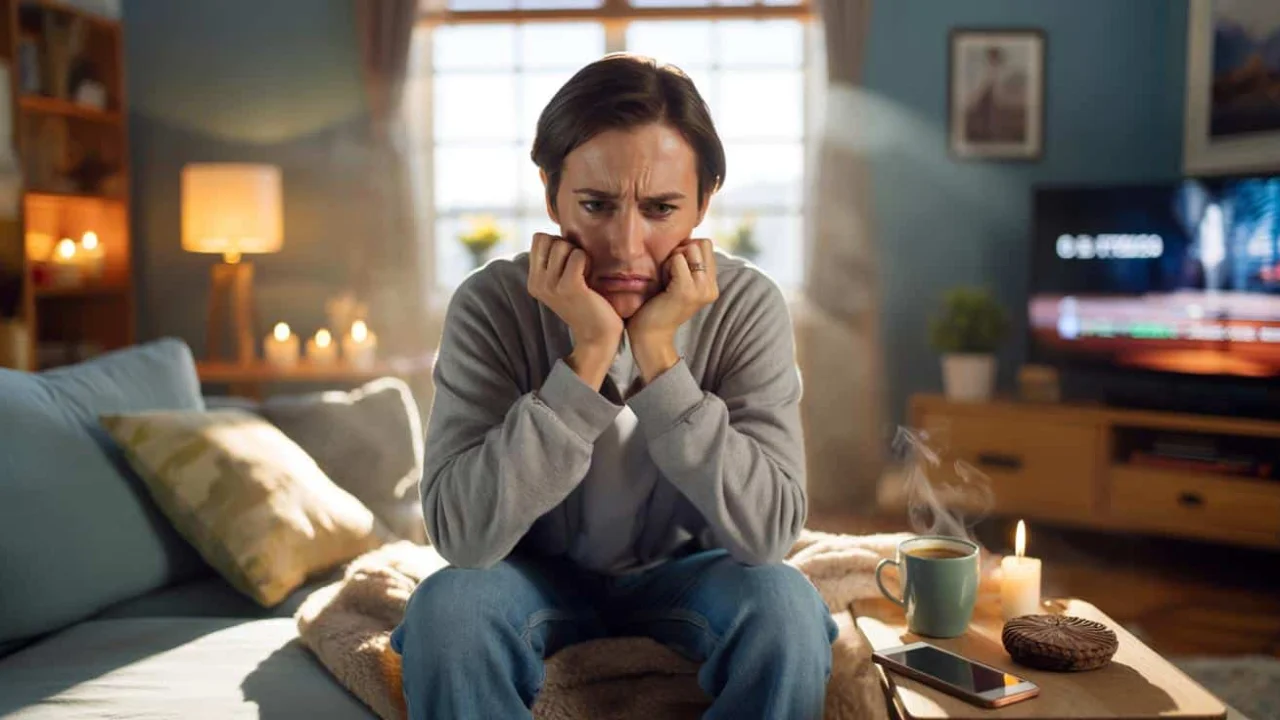
Instead, her stomach churns. Her hands fidget with her phone. Every few minutes, she checks her email “just once” and feels a wave of guilt for not being productive. The more she tries to enjoy this break, the more anxious she becomes. It’s like her brain has forgotten how to simply be still.
Sarah isn’t broken or unusual. She’s experiencing something psychologists now recognize as relaxation anxiety – a surprisingly common phenomenon where our bodies and minds rebel against the very rest we desperately need.

Why Your Brain Treats Rest Like a Threat
Relaxation anxiety happens when your nervous system has become so accustomed to stress and stimulation that stillness feels dangerous. Dr. Rachel Martinez, a clinical psychologist specializing in anxiety disorders, explains it simply: “For many people, their brain has learned that being busy equals being safe. When that busyness stops, the mind starts scanning for problems.”
Our modern lifestyle creates what researchers call “hypervigilance conditioning.” Your brain gets addicted to the dopamine hits from constant notifications, task completion, and problem-solving. When you try to switch off, your nervous system doesn’t celebrate – it panics.
Think about it this way: if you’ve trained your mind to always be “on,” asking it to suddenly be “off” is like asking a guard dog to take a nap while strangers walk through the yard. The dog doesn’t know how to relax because relaxing feels like abandoning its job.
This explains why meditation feels impossible for some people, why vacations can trigger anxiety attacks, and why even watching TV can make your chest tight. “The irony is that the people who need relaxation most are often the ones who struggle with it the most,” notes Dr. Martinez.

The Hidden Signs You’re Fighting Relaxation
Relaxation anxiety doesn’t always announce itself loudly. Sometimes it whispers through subtle signs that many people dismiss as normal stress. Here are the key indicators psychologists look for:
- Physical restlessness when sitting still – bouncing legs, fidgeting hands, jaw clenching
- Racing thoughts about tasks or responsibilities during downtime
- Guilt or shame when engaging in leisure activities
- Checking work emails or social media compulsively during breaks
- Physical symptoms like headaches, nausea, or chest tightness when trying to relax
- Feeling like you’re “wasting time” even during planned rest periods
- Needing distractions or stimulation to feel comfortable

Research shows that relaxation anxiety affects different personality types in distinct ways:
| Personality Type | Common Triggers | Typical Response |
|---|---|---|
| Perfectionist | Fear of being unproductive | Create “productive” relaxation activities |
| High Achiever | Loss of control or momentum | Turn relaxation into another goal to master |
| People Pleaser | Guilt about taking personal time | Constantly check in on others’ needs |
| Anxious Attachment | Fear that problems will develop if not vigilant | Mental rumination and worst-case scenario thinking |
“I see clients who literally schedule their relaxation time in 15-minute blocks,” shares Dr. James Chen, a behavioral therapist. “They treat rest like another task to optimize rather than a natural human need.”
What This Means for Your Daily Life
Relaxation anxiety isn’t just an inconvenience – it can seriously impact your mental and physical health. When your body never truly rests, it stays in a chronic state of low-level stress. This can lead to burnout, insomnia, digestive issues, and weakened immune function.
The workplace implications are significant too. Employees who can’t disconnect during breaks or vacations actually become less productive over time, not more. “It’s like trying to sprint a marathon,” explains workplace wellness expert Dr. Lisa Thompson. “You might feel faster at first, but you’ll crash much sooner.”
For families, relaxation anxiety creates a ripple effect. Children pick up on parents’ inability to be present and calm, potentially developing their own anxiety around rest and leisure. Partners may feel rejected or frustrated when their loved one can’t seem to enjoy shared downtime.
The good news? Recognizing relaxation anxiety is the first step toward addressing it. Simple strategies can help retrain your nervous system:
- Start with micro-breaks – even 30 seconds of deep breathing can help
- Practice “productive rest” initially – gentle activities like coloring or light stretching
- Set boundaries around work communication during personal time
- Use grounding techniques that engage your senses when anxiety hits
- Gradually increase rest periods as your comfort level improves
Dr. Martinez emphasizes that healing relaxation anxiety takes time: “Your nervous system didn’t learn to be hypervigilant overnight, and it won’t unlearn it overnight either. Be patient with yourself.”
The key is understanding that feeling tense during relaxation isn’t a personal failing – it’s a learned response that can be unlearned. Your brain is simply doing what it thinks will keep you safe, even when safety looks like stillness.
FAQs
Is relaxation anxiety a real mental health condition?
While not a formal diagnosis, relaxation anxiety is a recognized symptom pattern that many therapists see regularly in their practice.
Can relaxation anxiety be completely cured?
Yes, with practice and sometimes professional help, most people can retrain their nervous system to feel safe during rest periods.
Why does relaxation anxiety seem more common now?
Modern technology and work culture create constant stimulation, making it harder for our brains to transition into rest mode naturally.
Should I force myself to relax if it makes me anxious?
No, forcing relaxation often backfires. Start with gentle, brief rest periods and gradually build your tolerance.
Can children develop relaxation anxiety too?
Yes, especially if they’re overscheduled or constantly exposed to stressed adults who model hypervigilance.
When should I seek professional help for relaxation anxiety?
If the anxiety significantly impacts your sleep, relationships, or ability to take necessary breaks from work or responsibilities.
About the Author