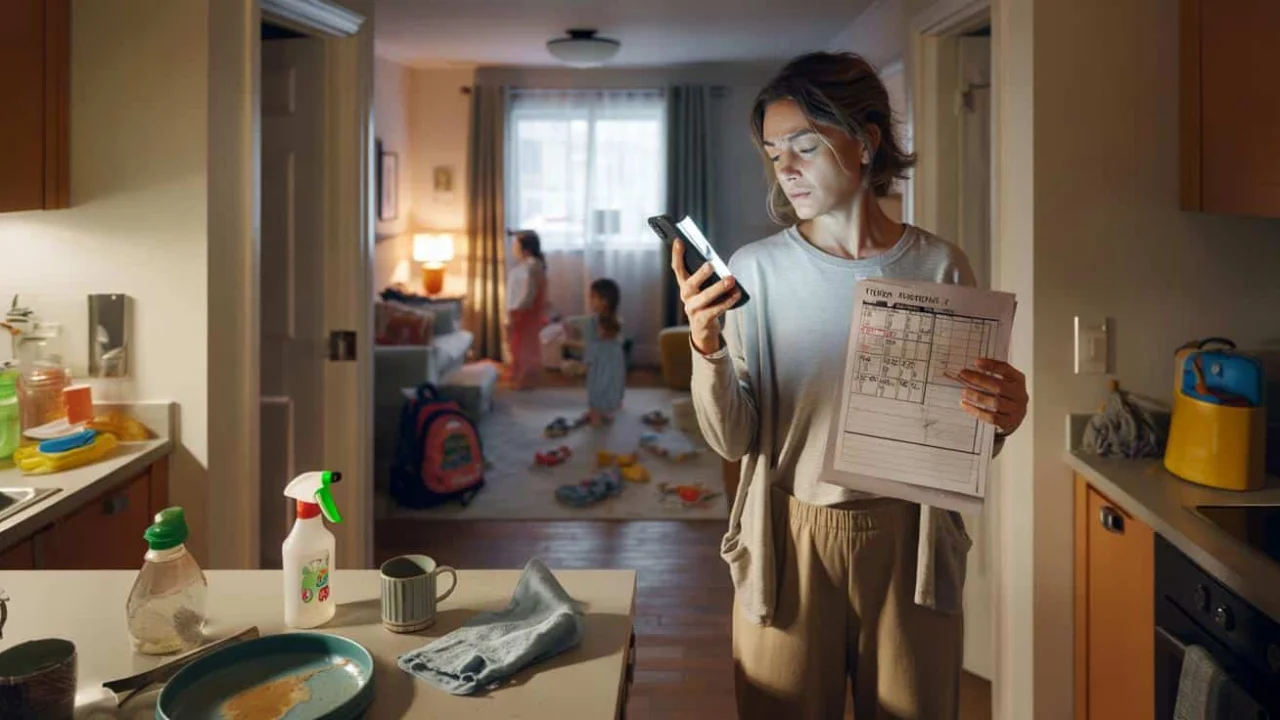
I was standing in my kitchen at 9 PM, holding a soggy paper towel and staring at my color-coded cleaning schedule stuck to the refrigerator. Tuesday meant “deep clean bathrooms – 45 minutes.” But Tuesday also meant back-to-back video calls, a sick toddler, and discovering the cat had knocked over a plant while I wasn’t looking.
The bathroom got a quick swipe with whatever was handy. My coffee went cold. My phone buzzed with work messages I couldn’t answer. And somewhere between the chaos and the crumbs on the counter, I realized something important: my cleaning system was designed for someone else’s life entirely.
That person had predictable schedules, unlimited energy, and apparently never dealt with mystery sticky spots or laundry that multiplied overnight. That person wasn’t me.

When Perfect Plans Meet Messy Reality
Most cleaning systems are built around an idealized version of life that simply doesn’t exist for most of us. These systems assume you have consistent free time, steady energy levels, and homes that stay clean between sessions. They’re designed for people who never get sick, never have work emergencies, and whose kids never track mud through the house five minutes after mopping.
“The biggest mistake people make is adopting cleaning routines that don’t match their actual lifestyle,” says home organization consultant Sarah Mitchell. “You can’t force a system designed for someone with unlimited time to work when you’re juggling three kids and a full-time job.”

A realistic cleaning system starts with honesty about your real life – not the life you wish you had or think you should have. It acknowledges that some weeks are harder than others, that energy levels fluctuate, and that sometimes “good enough” really is good enough.
The shift from fantasy to reality means letting go of Instagram-worthy cleaning schedules and embracing methods that actually work within your constraints. It means building flexibility into your routine instead of rigid timelines that set you up for failure.

Building a System That Actually Works
Creating a realistic cleaning system requires identifying what matters most in your specific situation and working around your real limitations. Here are the key components that make cleaning routines sustainable:
- Flexible timing: Tasks that can happen in 5-15 minute chunks instead of hour-long sessions
- Priority-based approach: Focus on high-impact areas that affect daily life most
- Backup plans: Simple alternatives for when the main plan falls apart
- Energy matching: Easier tasks for low-energy days, deeper cleaning when you feel motivated
- Maintenance mindset: Small daily habits that prevent bigger messes
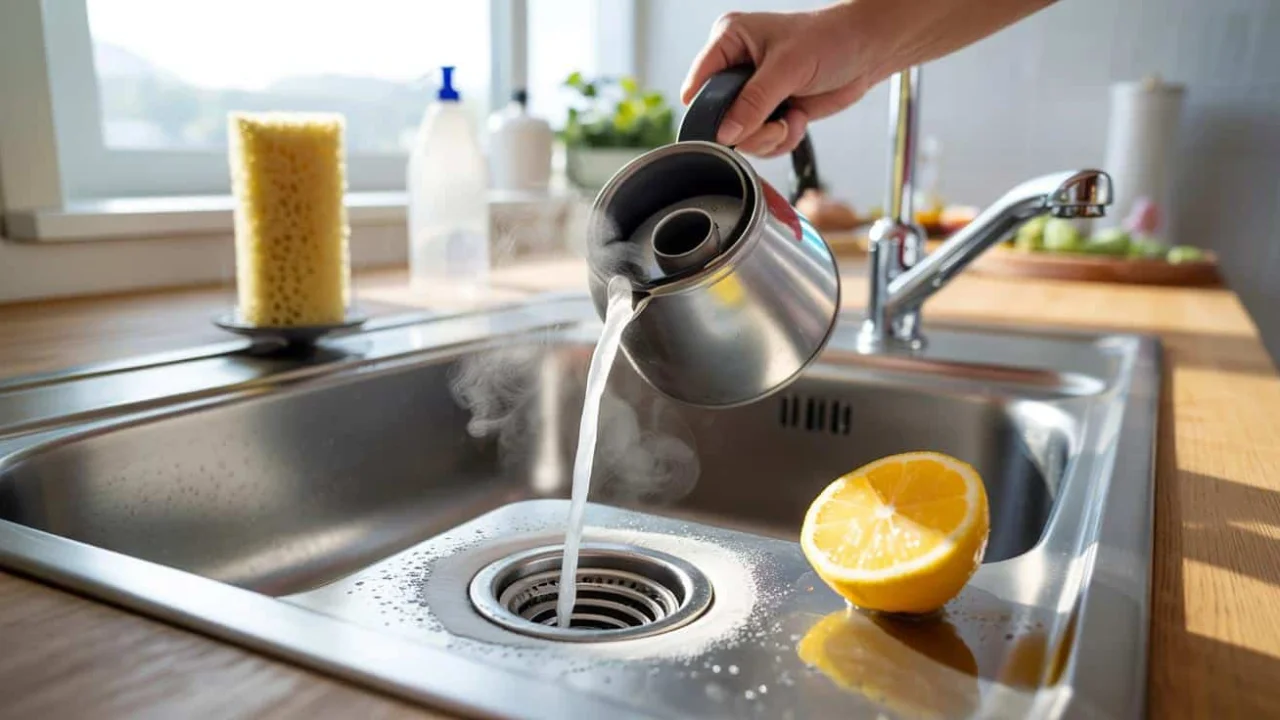
The most effective realistic cleaning systems use what experts call “habit stacking” – attaching small cleaning tasks to things you already do consistently. This might mean wiping counters while coffee brews or doing a quick bathroom wipe-down while kids brush teeth.
| Traditional System | Realistic System |
|---|---|
| Deep clean bathroom – 45 minutes | Quick wipe surfaces – 3 minutes daily |
| Vacuum whole house – Saturday morning | Vacuum high-traffic areas – as needed |
| Organize entire closet – 2 hours | Put away 10 items – 2 minutes |
| Meal prep Sunday – 3 hours | Prep tomorrow’s lunch – 10 minutes |
“The key is building systems around your natural rhythms and existing habits,” explains productivity coach Mark Chen. “If you’re not a morning person, don’t schedule cleaning for 6 AM. If weekends are family time, don’t plan major cleaning projects then.”
The Real Impact of Realistic Expectations
Switching to a realistic cleaning system does more than just keep your house tidier – it can significantly reduce stress and improve your relationship with your home. When your system matches your actual life, you stop feeling like you’re constantly failing at basic adulting.
Many people report feeling more in control and less overwhelmed once they abandon perfectionist cleaning standards. Instead of spending mental energy feeling guilty about undone tasks, that energy can go toward actually maintaining your space in manageable ways.
The psychological relief is substantial. “When clients stop trying to follow systems that don’t fit their lives, they often experience a huge reduction in domestic stress,” notes family therapist Dr. Lisa Rodriguez. “They realize they’re not lazy or disorganized – they were just using the wrong tools.”
A realistic approach also teaches valuable life skills around flexibility and problem-solving. Instead of rigid adherence to schedules, you learn to adapt and make decisions based on current circumstances. This skill transfers to other areas of life where perfectionism might be holding you back.
For families, realistic cleaning systems model healthy boundaries and self-compassion for children. Kids learn that homes don’t have to be perfect to be comfortable, and that it’s okay to adjust expectations based on what’s actually possible in any given moment.
The ripple effects extend beyond just cleaning. People who adopt realistic systems often find they have more energy for relationships, hobbies, and rest. They stop spending weekends catching up on impossible standards and start enjoying their homes instead of fighting them.
Perhaps most importantly, a realistic cleaning system acknowledges that your home should serve your life, not the other way around. Your cleaning routine should make daily life easier and more pleasant, not add another source of stress to an already full plate.
The goal isn’t perfection – it’s creating a sustainable way to maintain your space that doesn’t require you to be someone you’re not. Because the best cleaning system is the one you’ll actually use, consistently, without burning out or giving up entirely.
FAQs
How do I know if my cleaning system is unrealistic?
If you consistently can’t stick to your routine, feel guilty about cleaning, or find yourself starting over every few weeks, your system probably doesn’t match your actual life and schedule.
What’s the minimum cleaning needed to maintain a functional home?
Focus on dishes, laundry, and clearing surfaces. These three areas impact daily life most, and maintaining them prevents bigger problems from developing.
How long should daily cleaning tasks take?
Aim for 10-15 minutes of maintenance cleaning per day maximum. Longer sessions should be occasional, not daily requirements.
Is it okay to have different cleaning standards for different seasons of life?
Absolutely. Your cleaning routine should adapt to major life changes like new babies, job changes, illness, or moving. Flexibility is a feature, not a failure.
What if my realistic cleaning system still feels overwhelming?
Start smaller. Pick just one area or habit to focus on for a month. You can always add more once that becomes automatic, but you can’t sustain what feels impossible from the start.
How do I handle guilt about having lower cleaning standards?
Remember that your home should support your life goals, not drain your energy. A slightly messier house that allows time for relationships and rest serves you better than a pristine space that requires constant stress to maintain.
About the Author