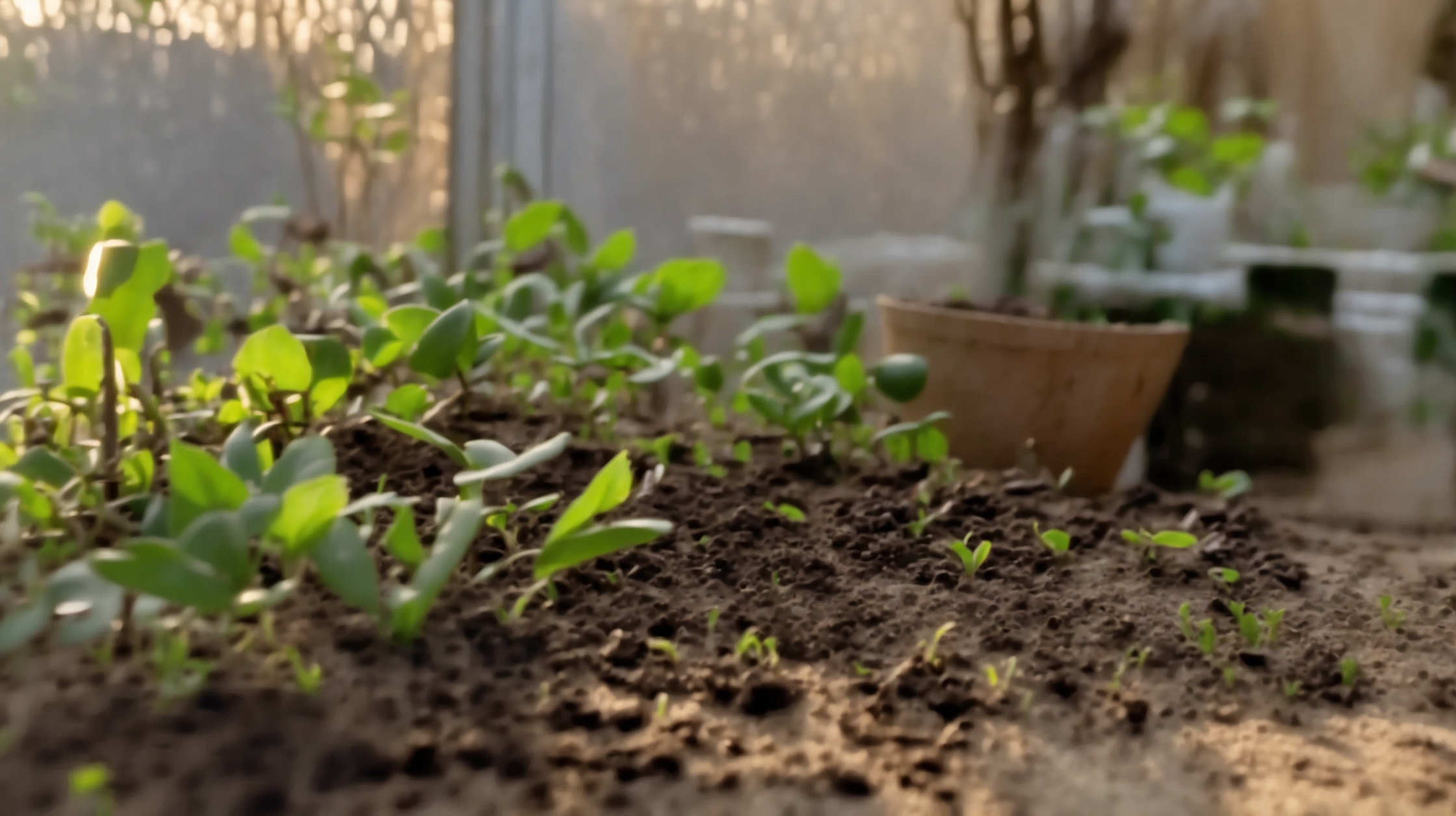

As winter clutches firmly in February, gardeners across temperate zones face one major challenge: protecting **young seedlings** from the looming threats of pests and diseases. While many assume their gardens lie dormant in winter, this period is critical for seedling care, especially in greenhouses, cold frames, or indoor grow environments. With increasing reports of fungi, gnats, and seed rot, the early stages of plant life are more vulnerable than ever. Acting swiftly during February can help ensure a more vibrant, pest-free spring garden.

“Many gardeners overlook this month, thinking it’s too early to worry,” says Martin Doyle, a horticultural consultant. “But February sets the stage for everything that follows. If you manage pest pressure early, you’ll dramatically reduce problems come planting season.” Disease spreads fast in damp, enclosed environments common to winter sowing, and without proper intervention, diseases like damping-off or aphid infestations can devastate your hard work overnight.
Seedling protection strategy overview
| Key Concern | Recommended Action |
| Fungal diseases (e.g., damping-off) | Improve airflow, use sterile seed-starting mix |
| Fungus gnats and soil pests | Let topsoil dry, use yellow sticky traps |
| Aphids on tender seedlings | Inspect leaves weekly, apply neem oil |
| Mold buildup in greenhouses | Ventilate daily, reduce humidity |
| Weakened immunity due to low light | Supplement with grow lights 12–16 hours/day |
Why February is a critical month for growers
Though mid-winter remains bleak for outdoor plants, **indoor gardening and early sown seedlings** begin to take their first steps toward spring. For many crops like tomatoes, peppers, and brassicas, February is the launchpad. However, mild indoor climates are also ripe conditions for **fungi, insects, and bacterial infections** to flourish under the radar.

Veteran gardeners often refer to February as the “silent struggle.” Seedlings may appear fine, but subtle signs of wilting or mold at the soil line often turn disastrous within days without proper treatment. The challenge lies not only in responding quickly, but also in putting **preventive measures** in place before symptoms arise.
The biggest threats to watch for in February
Several culprits emerge this time of year, each requiring specific management techniques:

- Damping-off fungus: This fatal disease causes seedlings to collapse overnight. Caused by waterlogged conditions and cool air, it thrives where airflow is limited.
- Fungus gnats: Attracted to moist soil, these pests lay eggs that hatch into larva capable of consuming delicate seedling roots.
- Aphids: Tiny sap-sucking insects that cluster on new growth, impeding plant development if unchecked.
- Botrytis (gray mold): This fungus rapidly spreads in humid air conditions, especially in trays where plant leaves are tightly packed.
Early interventions that make all the difference
Preventing these issues hinges on integrated routines rather than one-time fixes. Below are expert-endorsed strategies for safeguarding your seedlings from February onward:

1. Start with a sterile environment
Always use **sterile seed-starting mix** rather than garden soil. This immediately cuts down on dormant bacteria or mold. Clean all seed trays, pots, and tools with a diluted bleach solution (1:10 ratio) before use.
2. Provide strong airflow
Use a small oscillating fan to gently move air across seedlings. Increased airflow reduces fungal spores’ ability to settle and helps **dry the soil surface** more evenly, curbing both gnats and mold.
3. Light and temperature regulation
Ensure seed-starting setups maintain ideal conditions: roughly 65–75°F with 12–16 hours of light daily. Use programmable grow lights if necessary, especially in rooms with limited sunlight.
4. Let the soil surface dry between waterings
Water from the bottom when possible, and allow the top layer of the soil to dry—this helps repel fungus gnats that prefer constant moisture. Insert a finger 1 inch into the soil to check moisture levels before adding more water.
5. Use organic pest deterrents when needed
Mild solutions like **neem oil** sprays (once every 7–10 days) work well against soft-bodied pests like aphids and whiteflies. For fungus gnats, apply beneficial nematodes or place yellow sticky traps alongside plant trays.
“Prevention is everything. By the time you see the fungus, it’s already a week ahead of you.”
— Clara Jensen, Greenhouse Specialist
Monitoring techniques that reveal hidden threats
Just because seedlings look lush doesn’t mean they’re healthy beneath the surface. Weekly inspections are crucial. Look for subtle indicators such as:
- Discolored or mushy stems near the soil line (possible damping-off)
- Flying gnats near the grow lights (early pest hatchings)
- Dusty or fuzzy mold on leaves or soil (botrytis risk)
- Unusual curling of leaves (aphid or thrip presence)
Use a magnifying glass to inspect leaf undersides and topsoil crust. Insert yellow glue traps diagonally between pots to catch flying bugs and monitor infestation levels over time. If populations rise rapidly, consider temporary quarantining of affected trays.
Common mistakes that increase seedling vulnerability
Several routine habits can dramatically worsen seedling risks during February. Avoid the following pitfalls to ensure early success:
- Reusing last year’s potting mix — Likely to reintroduce dormant pathogens.
- Overwatering — Seeds need consistent but gentle moisture; drenching contributes to fungal spread.
- Under-ventilating closed environments — Mini greenhouses need 20–30 minutes of open air daily.
- Ignoring light spectrum — Not all grow lights provide a full spectrum. Choose lights labeled “full spectrum” for better photosynthesis stimulation.
“Many seedling issues start with the grower’s eagerness. Let the soil dry slightly, resist the urge to over-tend, and give nature space.”
— Geraldine Moss, Botanical Curator
Winners and losers: Who benefits most from February prep
| Winners | Losers |
| Home gardeners using sterile mix and ventilation fans | Seedlings planted in reused soil indoors |
| Growers applying routine neem oil sprays | Unventilated windowsill setups |
| Seedlings kept under full-spectrum light | Plants grown in high-humidity dome lids with no airflow |
Short FAQs about February seedling protection
How can I tell if my seedlings have damping-off?
Look for collapsed stems, especially at the soil line, accompanied by discolored or slimy bases. This disease acts quickly—remove affected seedlings immediately.
What’s the best light setup for February seedlings?
Use full-spectrum LED or fluorescent grow lights set on a 12–16 hour daily timer. Keep lights 2–3” above the seedlings for optimal effect.
Are sticky traps safe for seedlings?
Yes. Yellow sticky traps are non-toxic and help capture adult fungus gnats and other flying pests without affecting plant growth.
How often should I water indoor seedlings in winter?
Water only when the top quarter-inch of soil has dried. Overwatering is a leading cause of fungal infections like damping-off.
Can seedlings recover from early aphid infestations?
Yes, if caught early. Use neem oil or insecticidal soap spray regularly for 2–3 weeks to halt further damage and allow regrowth.
How do I improve indoor airflow without drying out seedlings?
Use a gentle, oscillating fan set to low. Position the fan to move air indirectly across the grow area. Avoid direct blasts that may dry leaves.
Is it okay to re-use seed trays from last year?
Only if they have been disinfected properly. Clean trays with hot water and bleach (1:10 ratio) to prevent disease carry-over.
What humidity level is ideal for February seedling growth?
Aim for 50–60% relative humidity. If your grow space exceeds 70%, crack vents or add a dehumidifier to reduce mold risk.
About the Author