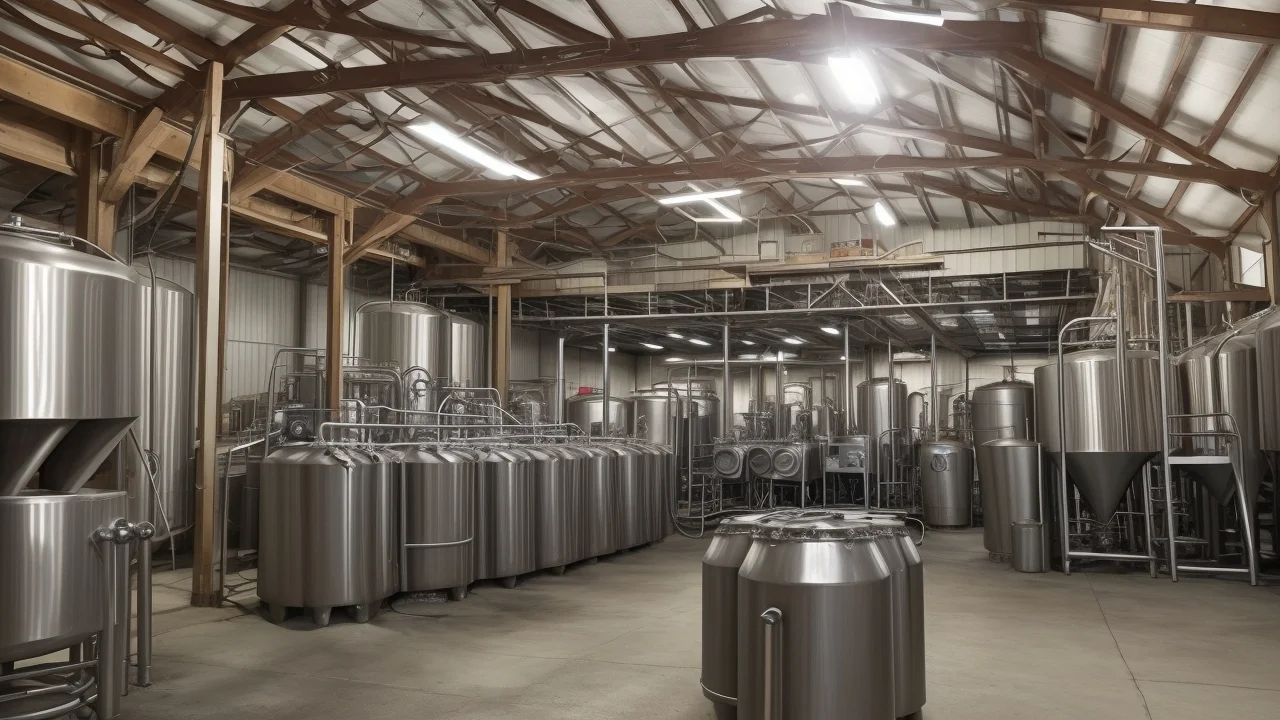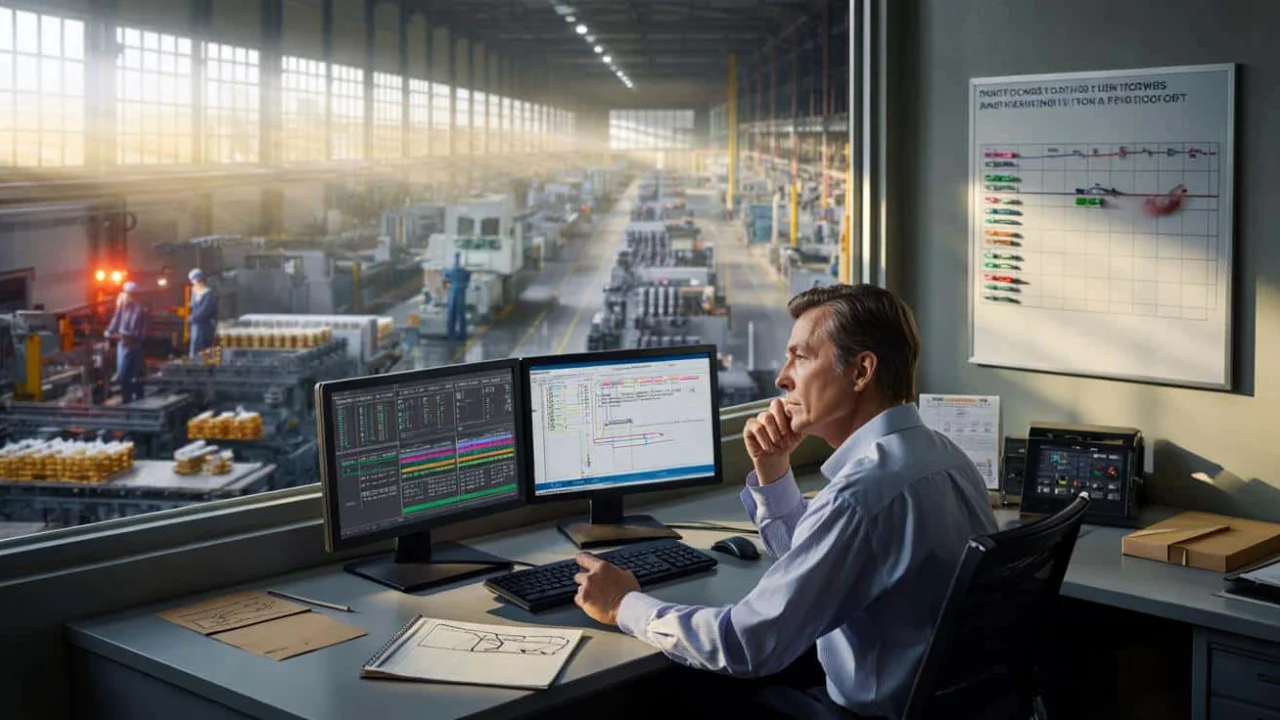
At 6:42 a.m., the factory floor was already alive with the hum of machinery, but my computer screen was practically screaming. Ten production lines glowing angry red, two suppliers running behind schedule, and a sales manager bombarding me with “any update??” messages like that would somehow fix everything. My business card says “Production Planner,” but what I actually do is prevent industrial chaos from making the evening news.
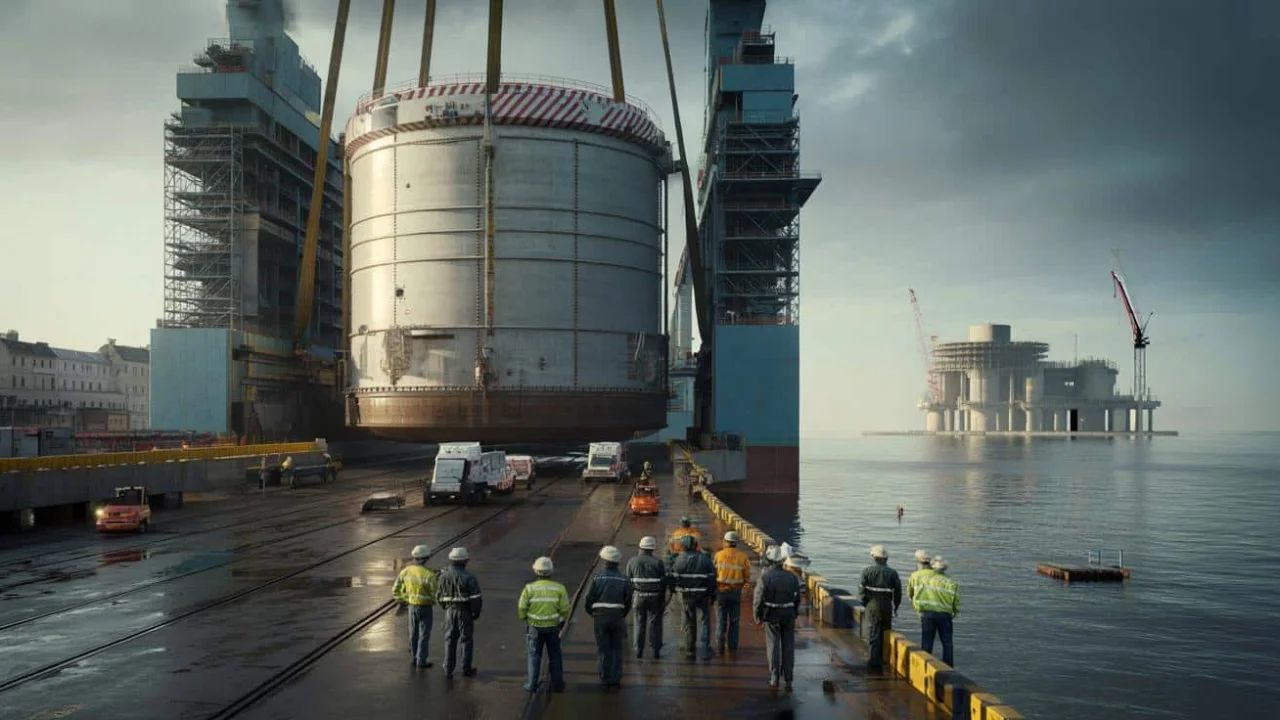
I’m not the fastest planner in the building. I’m not the person who fires back instant replies on Teams or makes split-second decisions that wow everyone in meetings. But when a critical machine breaks down at 3 p.m. and we still need to ship on time, I’m the one they call.
Here’s the thing that surprised me most about this job: my paycheck doesn’t reward speed. It rewards something far more valuable in manufacturing – the ability to keep promises.

Why reliability trumps speed in production planning
From the outside, production planning looks like a high-speed chess match. You imagine planners frantically updating Gantt charts, handling last-minute changes in seconds, and typing furiously while dashboard lights blink like a control tower. The faster you respond, the more competent you appear, right?
Inside the factory walls, the reality is completely different. The quickest reactions usually come from the most panicked people. They’ll push orders through immediately, reschedule them again an hour later, shuffle production lines three times before lunch, and earn applause from management for their “agility.”

Then the real costs start showing up. Scrap rates climb because rushed jobs skip quality checks. Operators burn out from constant schedule changes. Overtime expenses explode because nothing was planned properly the first time.
“In twenty years of manufacturing, I’ve seen speed kill more projects than help them,” explains Maria Rodriguez, a production manager at a major automotive supplier. “The planner who takes time to think through consequences is worth their weight in gold.”

Last month, we received a rush order from our biggest customer. Sales wanted it “yesterday,” production was already maxed out, and my inbox turned into a war zone. A colleague responded within three minutes: “No problem, we’ll shift Line 4, postpone job 768, and squeeze it in today.” The group chat erupted with praise emojis.
I took twenty-two minutes to respond. I checked tooling availability, quality inspection capacity, packaging shift schedules, and material inventory. My answer was less impressive: “We can deliver Thursday morning at 8 a.m. without disrupting existing commitments.”

Two days later, my colleague’s “miracle” solution caused three delayed orders, two scrapped batches, and eight hours of emergency weekend overtime. My Thursday delivery? It left the dock exactly on schedule, in full quantity, with zero quality issues.
The hidden economics of reliable production planning
Manufacturing companies have learned something that office workers haven’t figured out yet: reliability is exponentially more valuable than speed. Here’s why the numbers always favor the steady planner over the fast one:
| Speed-Focused Approach | Reliability-Focused Approach |
|---|---|
| Quick responses impress initially | Consistent delivery builds trust |
| Higher scrap rates (3-8%) | Lower scrap rates (1-2%) |
| Unpredictable overtime costs | Manageable labor expenses |
| Frequent customer complaints | Strong customer retention |
| High stress, employee turnover | Stable team performance |
The financial impact becomes crystal clear when you look at actual costs. A rushed job that creates 5% scrap on a $100,000 production run costs the company $5,000 in wasted materials, plus labor, plus machine time, plus the cost of reproducing the order.
“We track our planners’ performance on delivery promises, not response time,” says James Chen, operations director at a electronics manufacturer. “The planner with 98% on-time delivery gets promoted, even if they take longer to answer emails.”
Consider these typical scenarios production planners face daily:
- Emergency orders that seem impossible but must be evaluated carefully
- Machine breakdowns requiring immediate rescheduling without panic decisions
- Supplier delays that ripple through multiple production lines
- Quality issues discovered mid-production requiring careful replanning
- Seasonal demand spikes that test every planning assumption
In each situation, the reliable planner asks different questions. Instead of “How fast can we do this?” they ask “How can we do this right the first time?” Instead of “What’s the quickest fix?” they wonder “What won’t break something else?”
Real-world impact on careers and compensation
The compensation structure in production planning reflects this priority clearly. While other departments might reward quick wins and flashy presentations, manufacturing pays for predictable results.
Salary reviews in production planning typically focus on these metrics:
- On-time delivery percentage
- Schedule stability and adherence
- Inventory turnover efficiency
- Cost per unit consistency
- Customer complaint resolution
- Cross-functional collaboration effectiveness
Notice what’s missing? Response time to emails. Speed of initial planning decisions. Number of schedule changes made per day.
“I learned this lesson the hard way in my first production planning role,” shares Lisa Park, now a senior planner at a food processing company. “I was the fastest to respond, fastest to revise schedules, fastest to promise delivery dates. My annual review was terrible because nothing I planned actually worked smoothly.”
The career advancement path in production planning favors those who build reputations for dependability. Senior positions, management roles, and consulting opportunities go to planners who’ve demonstrated they can deliver what they promise, when they promise it.
Companies are willing to pay premium salaries for this reliability because the alternative is so expensive. A production planner whose schedules frequently fall apart can cost a mid-sized manufacturer hundreds of thousands in overtime, rework, expedited shipping, and customer penalty fees.
The psychological pressure is real too. Fast planners often burn out within two years because they’re constantly fighting fires they helped create. Reliable planners tend to have longer, more satisfying careers because their work environment stays manageable.
“The best production planners I know sleep well at night,” observes Michael Torres, a manufacturing consultant. “They don’t get 3 a.m. calls about schedule disasters because they planned to avoid disasters.”
This doesn’t mean being slow or unresponsive. Reliable production planning means being thorough enough to get decisions right the first time, communicating clearly about realistic timelines, and building in appropriate buffers for the unexpected problems that always arise in manufacturing.
The next time someone pressures you to respond faster in production planning, remember that your paycheck reflects your ability to deliver promises, not your ability to make them quickly. In a world where broken schedules cost real money and disappointed customers find new suppliers, reliability isn’t just rewarded – it’s essential.
FAQs
What makes production planning different from other planning roles?
Production planning directly impacts physical manufacturing processes, where mistakes create waste, delays, and safety issues that cost real money and affect real people.
How do companies measure reliability in production planning?
Most manufacturers track on-time delivery rates, schedule adherence, inventory efficiency, and cost consistency rather than response speed or number of schedule changes.
Do reliable planners earn more than fast planners?
Yes, consistently reliable planners typically earn higher salaries and bonuses because they prevent costly disruptions and maintain customer satisfaction.
What skills help production planners become more reliable?
Strong analytical thinking, attention to detail, understanding of manufacturing constraints, and excellent communication about realistic timelines are key reliability factors.
How long does it take to build a reputation for reliability in production planning?
Most planners need 12-18 months of consistent performance to establish credibility, but the reputation benefits last throughout their careers.
Can you be both fast and reliable in production planning?
Experienced planners develop the ability to quickly assess situations accurately, but they never sacrifice thoroughness for speed when making critical scheduling decisions.
About the Author