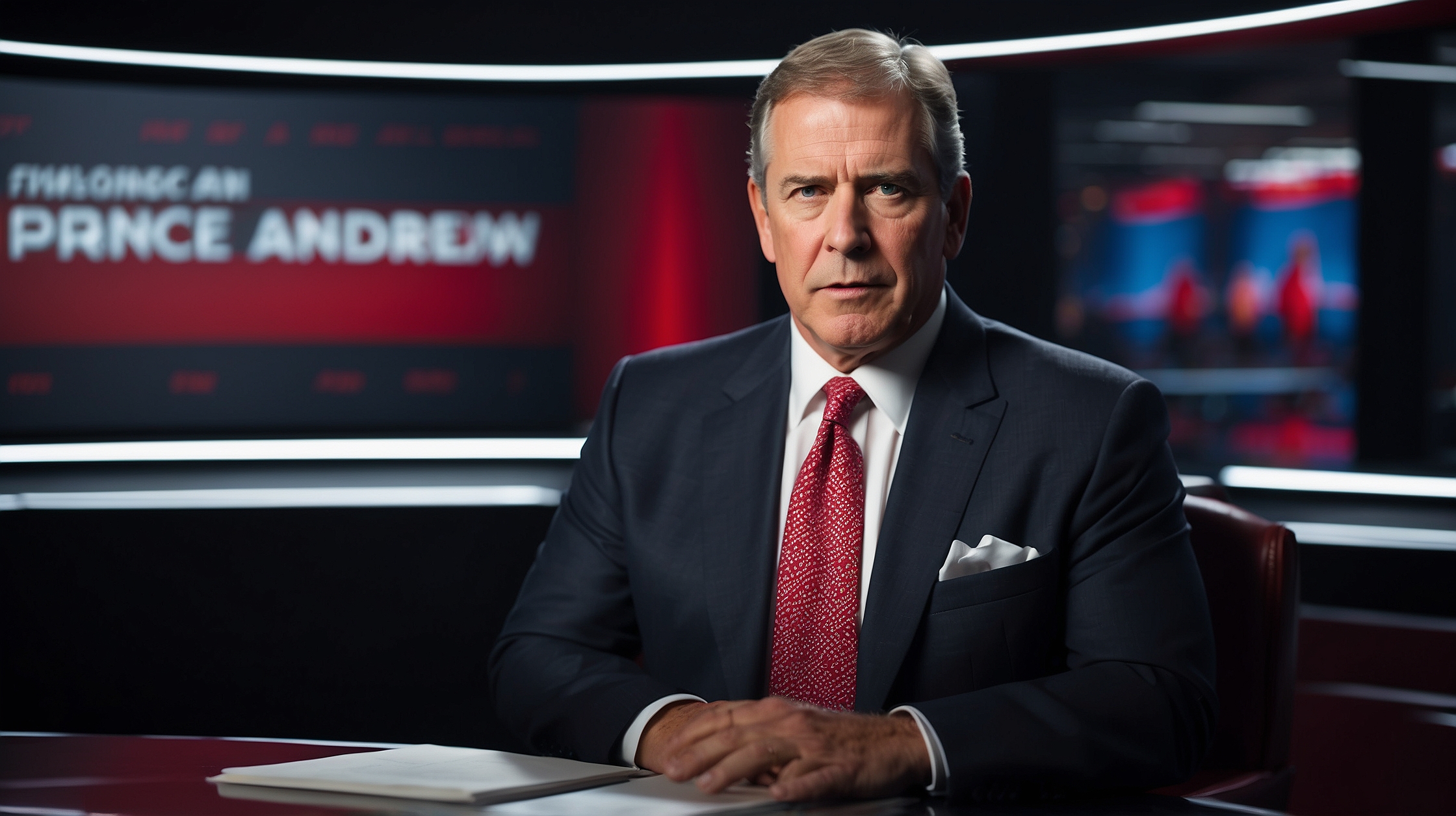
Comments made by outspoken broadcaster Piers Morgan on Prince Andrew and his association with the late financier Jeffrey Epstein have reignited public and media scrutiny over one of the most controversial royal scandals in recent history. Morgan’s frank appraisal of Andrew’s role in the scandal, especially in light of legal settlements and public appearances, is sparking a wider debate about accountability, PR rehabilitation, and the monarchy’s future in the digital age.
While Prince Andrew has stepped back from royal duties following his infamous Newsnight interview and mounting legal troubles, the public’s memory of the events—along with new critiques like Morgan’s—continue to shape perception. In recent commentary, Morgan didn’t mince words, questioning Andrew’s integrity and the royal family’s response to his actions. These remarks reflect a larger public mood that remains skeptical of how institutions handle internal crises, particularly when they involve serious allegations of wrongdoing.
Key developments in the Prince Andrew-Epstein scandal and recent commentary
| Subject | Prince Andrew and Jeffrey Epstein association |
| Trigger | Piers Morgan’s new comments shared on television and social media |
| Public Reaction | Mixed – renewed criticism of Prince Andrew and Royal PR strategies |
| Royal Family Status | Andrew remains without formal roles; his public image remains damaged |
| Media Landscape | Increased scrutiny amid societal calls for transparency and accountability |
| Legal Outcome | Andrew settled a civil lawsuit; has denied allegations |
Why Piers Morgan’s comments struck a nerve
Piers Morgan, known for his no-holds-barred style and history of royal commentary, revisited the Prince Andrew saga in a way that put public accountability back under the spotlight. His recent remarks emphasized his belief that Prince Andrew has consistently failed to provide transparent answers about his relationship with Jeffrey Epstein, a convicted sex offender whose connections to high-profile individuals sent shockwaves through global institutions.

“There are still unresolved questions,” Morgan asserted, pointing to the now-infamous BBC interview where Andrew claimed he didn’t sweat and couldn’t recall key details of his relationship with Epstein. Morgan’s critique, viewed by millions, resonated with a public that has grown increasingly intolerant of perceived privilege shielding individuals from consequences. The renewed focus on Andrew also comes as the Royal Family tries to modernize its image, making Morgan’s blunt assessments all the more impactful.
He clearly thinks he can just weather the storm and reappear. But public trust doesn’t work that way.
— Piers Morgan, BroadcasterAlso Read El pueblo de Ciudad Real que tiene 47 vecinos pero su propio aeropuerto: así es la curiosa realidad
The context of the scandal
The controversy surrounding Prince Andrew began with allegations of sexual misconduct by Virginia Giuffre, who accused him of abusing her when she was a teenager trafficked by Jeffrey Epstein. Despite denying any wrongdoing, Andrew’s public statements and legal strategy—including a multi-million-pound out-of-court settlement—failed to clear the air. Combined with a widely ridiculed Newsnight interview, Andrew was subsequently stripped of his military titles and public roles by Queen Elizabeth II.

Though no criminal charges were brought, the settlement, widely interpreted as a form of accountability by many members of the public, failed to rehabilitate his image. It also raised questions around whether royal privilege shields some individuals from the level of accountability expected in other sectors of society.
What the public and press are saying now
The British press, commentators, and social media users have taken Morgan’s comments as a barometer of how the broader public still feels uneasy about the situation. With each re-emergence of Prince Andrew—either at a royal funeral, jubilee, or public church visit—come renewed criticisms. Many see his appearances as premature or tone-deaf, especially in the absence of a genuine public apology or explanation.

Social media reaction includes both support and criticism of Morgan’s stance. Some commend his candor for pressing an issue the establishment prefers to leave buried, while others question Morgan’s own motivations and public persona. Nonetheless, few can deny that his commentary has successfully rekindled a debate that had momentarily faded from public consciousness.
What changed this year
The timing of Morgan’s comments is also crucial. With King Charles III seeking to project a more modern and streamlined monarchy, every public association with Prince Andrew becomes a potential liability. Earlier this year, Andrew was notably missing from several key royal events, but appeared at others, reigniting debates over whether he is being slowly brought back into the royal fold.
In light of these developments, Morgan’s remarks weren’t just targeted at Andrew but also perhaps at the royal institution’s broader strategy. A continued lack of transparency or resolution may harm the monarchy’s efforts to appear relevant and moral in a time of cultural transformation.
The monarchy has always evolved, but this time it must also prove it can enforce ethical standards within its ranks.
— Royal Affairs Analyst (Placeholder)
The future of the royal brand and Prince Andrew’s role
With debates over state funding, republicanism, and generational change gaining momentum, the Royal Family’s image is more scrutinized than ever. Prince Andrew’s presence, whether visible or in the background, inevitably evokes unresolved tension. Analysts suggest that until the prince publicly addresses the inconsistencies in his story or steps fully away from public life, controversies will continue to shadow him and the broader royal institution.
Yet without definitive legal recourse or public closure, the palace walks a diplomatic tightrope. Attempting to rehabilitate Andrew without meaningful accountability could damage royal credibility for younger generations—something Charles and Prince William are acutely aware of.
Winners and losers in the wake of renewed scrutiny
| Winners | Losers |
|---|---|
| Piers Morgan (public influence and attention) | Prince Andrew (renewed negative spotlight) |
| Public transparency advocates | Royal PR team (forced back into crisis mode) |
| Journalism and media scrutiny | Monarchy’s reform image efforts |
Why accountability matters now more than ever
As every institution comes under the lens of 21st-century expectations, the Royal Family must reconcile traditional roles with modern demands for justice, representation, and open communication. Critics like Morgan, regardless of tone or personal reputation, fuel this evolution by ensuring tough questions are asked—even when they are inconvenient or provocative.
Yet accountability is more than media spectacle; it’s about restoring faith. Whether Andrew chooses to share his version more openly, or whether the royal institution takes firmer action, remains to be seen. But the conversation, reignited as it is now, suggests that silence is no longer a viable strategy.
FAQs on Prince Andrew and recent developments
What did Piers Morgan say about Prince Andrew?
Piers Morgan criticized Prince Andrew for his lack of transparency about his ties to Jeffrey Epstein and questioned the strategy of his gradual return to public life without accountability.
Is Prince Andrew still part of the Royal Family?
Yes, he remains a member of the Royal Family but does not hold any public roles or military titles since being stripped of them in 2022.
Has Prince Andrew been charged with any crimes?
No, Prince Andrew has not been criminally charged but did settle a civil lawsuit with Virginia Giuffre out of court without admitting liability.
What was the public reaction to Piers Morgan’s comments?
Reactions were mixed; some praised Morgan’s honesty while others viewed it as opportunistic. However, it clearly amplified public discourse around Andrew’s accountability.
Why is this case significant to the Royal Family?
It raises questions about privilege, justice, and how the institution handles internal crises, especially when its public funding and moral standards are under scrutiny.
Is there any chance Prince Andrew returns to royal duties?
While there are no official plans or confirmations, his rare public appearances suggest the matter remains contentious within royal circles.
How has the media covered the story post-settlement?
Cautiously but consistently, with occasional surges like Morgan’s comments reviving focused interest and sparking broader debates about accountability within royalty.
Will the royal family respond to Piers Morgan’s remarks?
Unlikely. The Royal Family rarely comments on media statements, but their public actions—such as excluding Andrew from key events—speak volumes.
About the Author