Anna Kowalski was having her morning coffee in Warsaw when her phone buzzed with a news alert about Russian missiles arriving in Belarus. She glanced at the headline, felt that familiar knot in her stomach, then scrolled past to check the weather. Like millions of Europeans, she’s learned to live with the constant background hum of military tensions, but this one felt different somehow.
The Oreshnik missile deployment in Belarus has dominated headlines for days, sparking emergency meetings in European capitals and sending defense analysts into overdrive. Yet beneath all the political theater and satellite imagery, the uncomfortable truth is emerging: this dramatic gesture changes surprisingly little about the actual military balance in the region.
For ordinary people like Anna, the question isn’t about missile specifications or strategic doctrine. It’s simpler and more personal: does this make me less safe? The answer, according to most experts, is both yes and no in ways that matter more for psychology than actual security.
The Theater of Missile Diplomacy
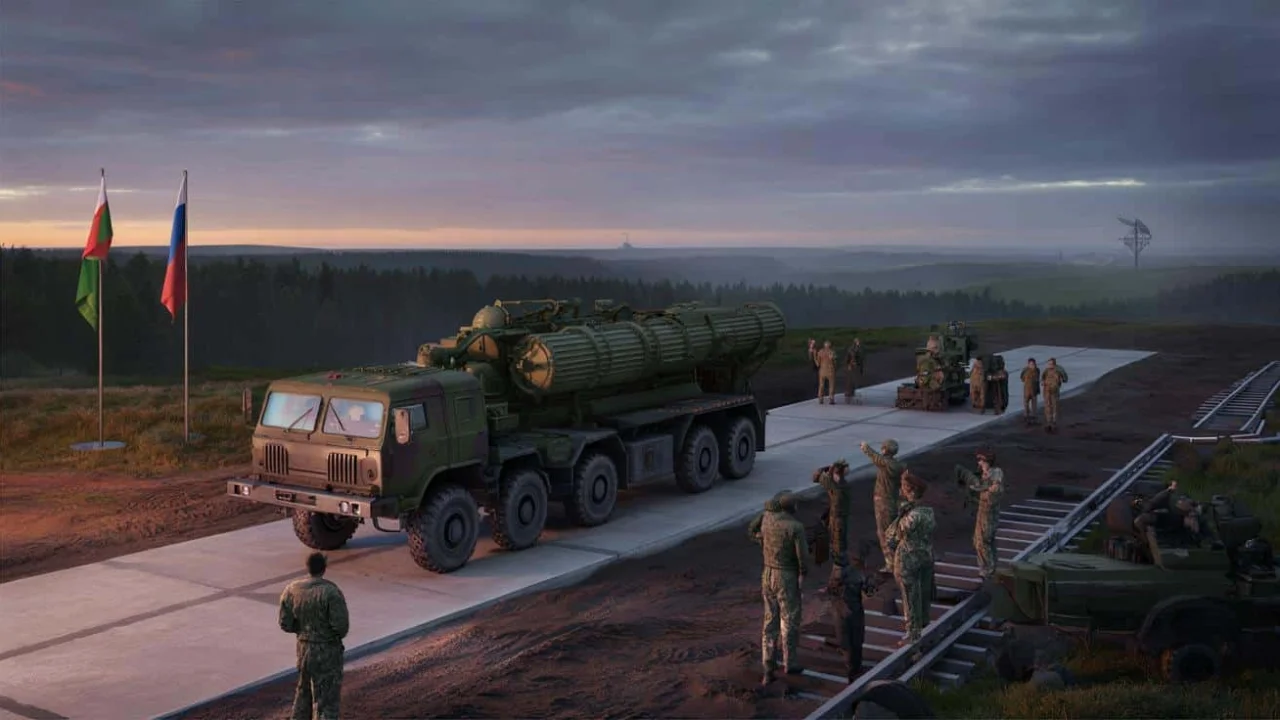
The arrival of the Oreshnik missile in Belarus was choreographed like a Hollywood production. State television cameras captured military convoys rolling through muddy landscapes, officials giving stern speeches, and gleaming missile systems positioned for maximum visual impact.
Satellite images quickly emerged showing what appeared to be a deployment site near Krichev in eastern Belarus. The concrete pads, support structures, and rail connections all looked impressively permanent and threatening. But military analysts began noticing something curious in the footage.
“Most of what we’re seeing are support vehicles, not actual missile launchers,” explains Defense Institute researcher Marcus Weber. “The optics are designed to create maximum psychological impact rather than demonstrate genuine military capability.”
This distinction matters more than it might seem. The difference between having a few demonstration missiles and a fully operational missile regiment is enormous in practical terms. But in the court of public opinion and international diplomacy, the visual message carries equal weight regardless of the underlying reality.

The Belarusian government has been careful to emphasize the defensive nature of the deployment while simultaneously highlighting its offensive potential. This deliberate ambiguity serves both Moscow and Minsk’s interests perfectly.
What the Numbers Actually Tell Us
Beyond the political messaging, the technical reality of the Oreshnik missile deployment reveals a more complex picture. Here’s what we know about this weapon system and its actual strategic impact:

| Specification | Details | Strategic Impact |
|---|---|---|
| Range | Up to 5,500 km | Can reach most European targets |
| Deployment Time | 15-30 minutes | Faster than most existing systems |
| Number in Belarus | Estimated 2-6 systems | Limited compared to existing arsenal |
| Detection Difficulty | High (mobile platform) | Complicates NATO defense planning |
The key factors that make this deployment more symbolic than transformative include:
- Russia already has multiple missile systems capable of reaching the same European targets
- The actual number of Oreshnik missiles in Belarus appears very limited
- NATO’s existing missile defense systems weren’t designed primarily around this specific threat
- The strategic balance was already heavily tilted toward offensive capabilities over defensive ones
“We’re essentially seeing a new player in an existing game rather than a complete change of rules,” notes former NATO official Sarah Mitchell. “The fundamental calculations about deterrence and defense remain largely unchanged.”
What has changed is the geography of threat perception. Having these systems in Belarus rather than deep inside Russia reduces flight time to key European cities by several minutes. In missile defense terms, those minutes matter enormously for response time.
Real Impact on European Security
For the millions of Europeans living within range of these systems, the practical implications are both more and less significant than the headlines suggest. The immediate military threat hasn’t dramatically increased, but the psychological and political landscape has shifted noticeably.
European defense ministers are already adjusting their calculations. Poland has announced accelerated plans for additional Patriot missile batteries. Germany is reconsidering the timeline for its own missile defense upgrades. The Baltic states are pushing for enhanced NATO presence in their region.
These responses highlight how symbolic military moves can create very real policy consequences. Even if the Oreshnik deployment in Belarus doesn’t fundamentally alter the strategic balance, it’s certainly changing how European governments allocate defense resources.
“The indirect effects often matter more than the direct ones in these situations,” explains International Security Studies professor Dr. James Richardson. “Moscow gets enhanced deterrence value while European taxpayers get higher defense bills.”
For ordinary Europeans, the more immediate concern is how this deployment affects regional stability. Belarus has transformed from a buffer state into an active staging ground for Russian military assets. This shift makes the country a potential target in any broader conflict, which inevitably increases risks for neighboring civilian populations.
The economic implications are already becoming visible. Defense stocks have rallied across European markets. Currency fluctuations reflect increased uncertainty about regional stability. Tourism bookings to Eastern European destinations have shown measurable declines in some markets.
Perhaps most significantly, the Oreshnik deployment is accelerating European discussions about developing independent deterrence capabilities. France’s nuclear doctrine is being quietly reviewed. Germany is reconsidering its traditional reluctance to host nuclear weapons. Poland is exploring enhanced missile defense partnerships with multiple NATO allies.
Looking Beyond the Headlines
The fundamental reality is that Europe was already within range of Russian missile systems long before the Oreshnik arrived in Belarus. What’s changed is the perception of proximity and the symbolic weight of having these weapons stationed in what was once considered a neutral buffer zone.
Military strategists point out that Russia’s existing arsenal already included multiple systems capable of reaching the same European targets. The Iskander missiles already deployed in Kaliningrad, the submarine-launched systems in the Baltic Fleet, and the longer-range strategic weapons based in Russia proper all provided similar theoretical capabilities.
Where the Oreshnik deployment does make a practical difference is in the complexity it adds to European missile defense planning. Having additional launch points requires expanded sensor coverage and more sophisticated response protocols. This increases costs and operational complexity for NATO defense systems.
“Every additional missile system forces us to spread our defensive resources a little thinner,” admits one European defense official speaking on condition of anonymity. “That’s probably the real strategic objective here rather than any dramatic escalation.”
FAQs
How many Oreshnik missiles are actually deployed in Belarus?
Intelligence estimates suggest between 2-6 complete systems, though exact numbers remain classified and disputed.
Can these missiles reach major European cities?
Yes, the Oreshnik’s range covers most European capitals, though Russia already had this capability through other missile systems.
Is this deployment legal under international law?
Yes, sovereign nations can host allied military equipment, though it raises tensions and may violate some bilateral agreements.
How does NATO plan to respond?
NATO has announced enhanced surveillance and defensive measures, but no dramatic policy changes have been officially revealed.
Could these missiles carry nuclear warheads?
The Oreshnik is technically capable of carrying various warhead types, but there’s no evidence of nuclear weapons being deployed to Belarus.
What does this mean for ordinary Europeans?
Day-to-day life remains unchanged, but regional tensions have increased and defense spending is likely to rise across Europe.
About the Author