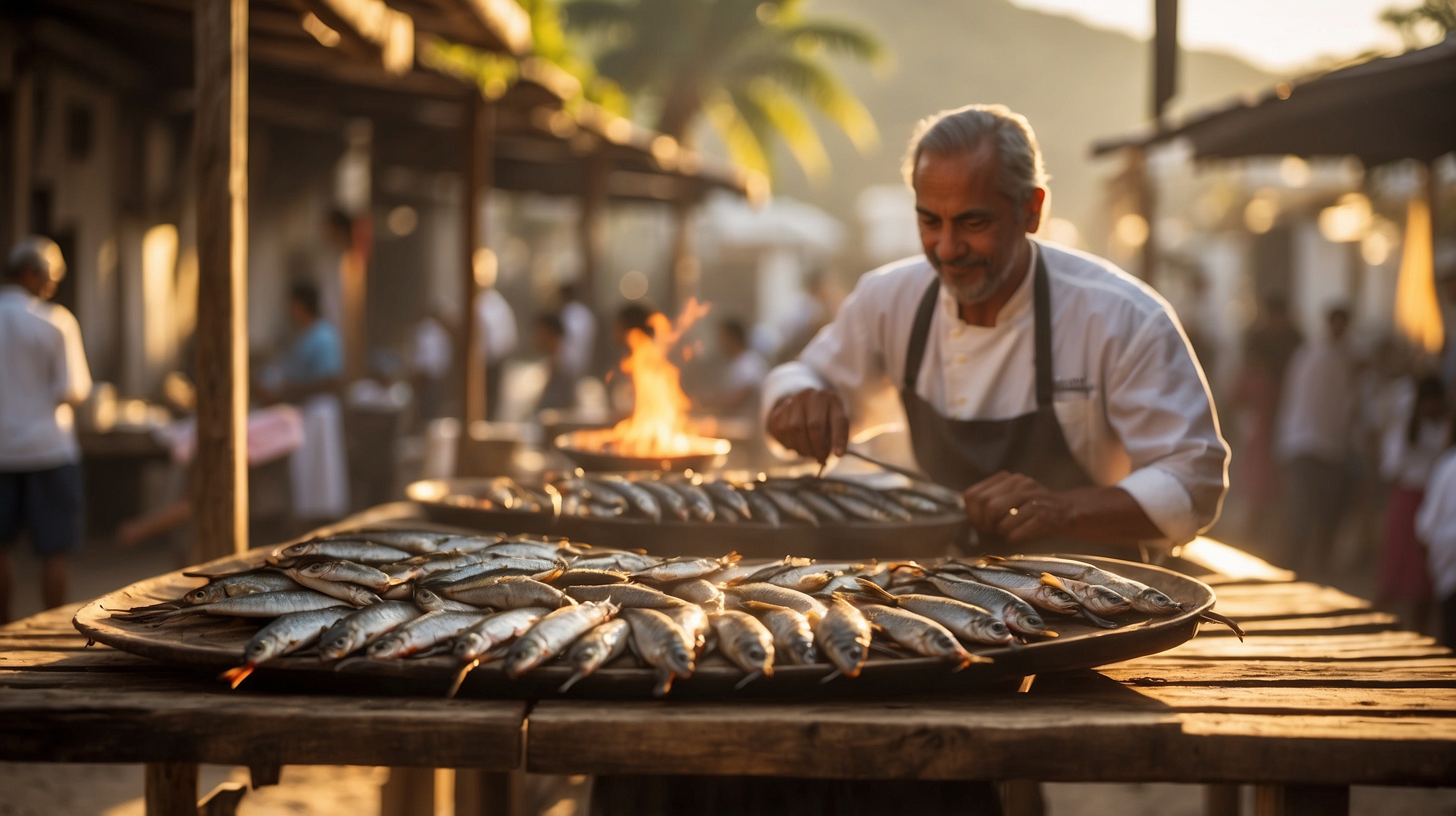
In a surprising culinary shift, Brazilian sardines—long stigmatized as a “poor people’s fish”—are now enjoying a cultural renaissance. Formerly relegated to cheap meals and looked down upon by fine diners, sardines are being reclaimed across Brazil as an affordable, nutritious, and environmentally sustainable seafood option. From Rio de Janeiro’s high-end bistros to rustic kitchens in Bahia, chefs and diners alike are rediscovering sardines as a little fish with big potential.

This change is driven by a host of factors: increased interest in local and sustainable eating, economic fluctuations influencing meat and seafood prices, and a growing recognition of sardines’ nutritional value. Add to that a touch of gastronomic creativity turning the humble sardine into a gourmet delight, and one begins to see why this silver-scaled fish is making waves. Once a symbol of scarcity, sardines are now icons of smart, flavor-forward dining in Brazil.
Sardines making a splash: Key facts at a glance
| Fish | Sardines (Sardinella brasiliensis) |
| Once Known As | “Poor people’s fish” in Brazil |
| 2024 Trend | Rising popularity in fine dining and home kitchens |
| Main Reasons | Affordability, sustainability, nutritional benefits, and culinary innovation |
| Common Preparations | Grilled, marinated, canned, fried, stewed |
| Regions Associated | Rio de Janeiro, São Paulo, southern coastal Brazil |
Why sardines have been overlooked for generations
For decades, sardines have occupied a troubled position in Brazil’s culinary culture. Their abundance and low market price made them a staple in working-class households, especially during economic crashes. While rich in flavor and nutrients, sardines suffered from negative associations with hardship and scarcity, which led wealthier consumers to consider them a food of last resort.

Unlike prized seafood like lobster or tuna, sardines rarely appeared in upscale restaurants. In fact, many chefs openly admitted to avoiding the fish due to the strong smell, short shelf life, and labor-intensive cleaning required. This perception contributed to a culinary stereotype that stuck, even while global dietary experts continued to rave about the humble sardine’s health benefits.
What changed this year
Several converging trends have led to the sardine’s resurgence in Brazil in 2024. First, rising inflation and supply chain issues caused the prices of premium fish like salmon and cod to increase dramatically. Consumers and chefs began looking for more affordable and locally sourced alternatives. Sardines, abundant off the Brazilian coast, fit the bill.

Second, the sustainability movement has grown significantly. Sardines are a climate-friendly protein source, with a smaller carbon footprint than beef or imported seafood. In an era of rising environmental awareness, this quality has become a key selling point. Culinary schools and cooking shows have added sardine recipes to their rosters, boosting their visibility and appeal.
“Sardines are no longer a symbol of poverty—they’re a triumph of sustainable cuisine.”
— Camila Teixeira, Chef and Food Sustainability AdvocateAlso Read Turning up the thermostat but still cold? Experts explain what’s really going on
Lastly, chefs began embracing sardines as flavorful ingredients ideal for bold Brazilian dishes. Where once they would have rejected the fish for its oiliness or strong aroma, many are now celebrating those very features. This shift in perception has made sardines a fashionable part of new Brazilian gastronomy.
Who’s leading the sardine renaissance
Innovative chefs across Brazil’s largest cities are championing sardines as a mainstay of new menu items. From São Paulo gastropubs to coastal seafood grills in Recife, restaurateurs are adding sardine ceviche, grilled fillets, sardine croquettes, and even sardine sushi to their offerings.
Notable names include Chef Daniel Pereira of “Casa do Mar” in Rio de Janeiro, who crafts a sardine confit over cassava purée that has become a social media sensation, and Chef Lúcia Andrade in Porto Alegre, known for her modernist approach to sardine pâté. Even high-end dining establishments are rethinking the curtain between “noble” and “humble” proteins.
“People are surprised when they taste sardine tartare and realize how delicate and rich it can be.”
— Daniel Pereira, Executive Chef at Casa do Mar
At the same time, legacy generation fishermen and local markets are adapting to new consumer interest. What used to be bulk sales of whole sardines at rock-bottom prices are now premium, neatly cleaned fish presented with recipe suggestions and gastronomic appeal.
Nutritional power behind the fish
Beyond new culinary uses, sardines are extremely nutritious. Rich in omega-3 fatty acids, vitamin D, calcium, and protein, they offer a healthful punch without the price tag of imported superfoods. Nutritionists are increasingly recommending sardines, especially in children’s and elderly diets, as a way to improve cardiovascular health and cognitive performance.
Sardines also pose lower mercury risks compared to predatory fish like swordfish or tuna, making them safer for regular consumption. This adds to their appeal among health-conscious buyers trying to balance flavor, budget, and well-being.
“Sardines are a nutritional goldmine—some of the healthiest things you can eat from the sea.”
— Dr. Mariana Rocha, Nutritionist and Clinical Dietitian
How sardines are winning in Brazil’s seafood economy
| Winners | Losers |
|---|---|
| Small-scale sardine fishers | Imported fish suppliers |
| Chefs specializing in sustainable cuisine | Restaurants reliant on expensive imports |
| Local markets and coastal communities | Luxury seafood wholesalers |
| Consumers seeking affordable nutrition | High-end diners skeptical of traditional food |
Brazilian sardines head into supermarkets—and influencers’ kitchens
Sardines are no longer confined to fish markets or coastal communities. Urban supermarkets are offering improved packaging, fresh fillets, and even ready-to-eat products. Several Brazilian food influencers have brought sardines into the limelight with viral recipes on social media platforms, ranging from sardine empadinhas to bruschetta-style toasts loaded with spiced sardine filets.
This adoption in the digital sphere has helped normalize their presence in middle- and upper-class homes. It’s a sign of changing attitudes that a fish once derided is now being lovingly plated, snapped, and shared for hundreds of thousands of likes.
What the future holds for this sustainable star
The rediscovery of sardines marks more than a culinary trend—it suggests a cultural recalibration. Brazil, long influenced by imported food ideals and class-based culinary hierarchies, is reconsidering its homegrown bounty. Sardines are just one example of how flavor, tradition, and sustainability can combine to transform stigmas into pride.
With the global spotlight on climate-smart farming and ethical food choices, the sardine’s story in Brazil could serve as a case study in transforming perception through education, innovation, and delicious creativity. Coastal economies may benefit from renewed demand, while consumers gain an affordable path to healthy eating. “Peixe pobre”? Not anymore—for sardines, the tide is turning.
Frequently Asked Questions
Are sardines really healthy to eat regularly?
Yes, sardines are packed with omega-3 fatty acids, protein, and calcium, making them an excellent choice for frequent consumption. Their low mercury levels also make them safer than many other fish.
Why were sardines considered a “poor people’s food” in Brazil?
Mainly due to their affordability and abundance, sardines became associated with economic hardship and were seen as less desirable compared to expensive seafood. This created a lasting stigma around the fish.
What are the most popular modern ways to cook sardines?
Grilling, confit, stewing in tomato sauce, and incorporating them into pasta, tartares, or croquettes are some popular methods. Many chefs now elevate sardines with gourmet touches.
Where are sardines mainly caught in Brazil?
They are mostly caught along Brazil’s southeastern and southern coasts, especially near Rio de Janeiro and São Paulo. The species most common is Sardinella brasiliensis.
Can sardines be frozen or canned without losing their flavor?
Yes. Sardines can be canned or frozen effectively, and in fact, canning with olive oil or tomato sauce often enhances their flavor when stored properly.
Is sardine fishing sustainable in Brazil?
Currently, sardine fishing in Brazil is relatively sustainable compared to larger predatory species. However, experts recommend clear catch limits and better fishery management as demand grows.
Are sardines kid-friendly?
Definitely. Their soft bones are edible and rich in calcium, and when prepared in familiar formats—like croquettes or pasta—they are often embraced by children.
How are chefs using sardines in fine dining?
Innovative chefs are creating dishes like sardine tartare, sardine confit with tropical chutneys, or pairing grilled sardines with artisanal bread, sauces, and microgreens in upscale presentations.
About the Author
