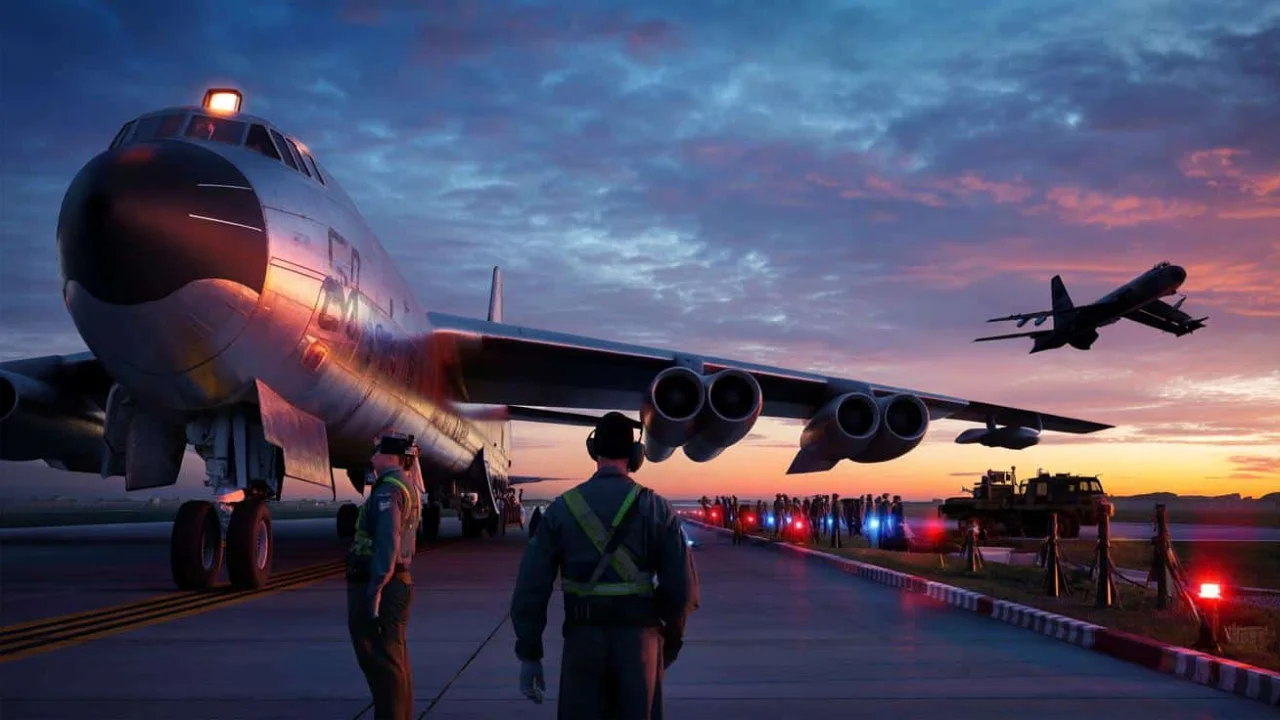
The first thing you notice is the sound. Low, heavy, like distant thunder that never quite breaks. On a gray morning in North Dakota, a B-52 Stratofortress rolls down the runway, its eight engines chewing through the cold air as if it owns the sky. A crew chief watches with folded arms, jaw tight, radio pressed against his shoulder. This bomber is older than most of the people working on it, yet it’s being asked to do something new again: carry two missions at once, nuclear and conventional, in a world that suddenly feels less predictable than it did ten years ago.
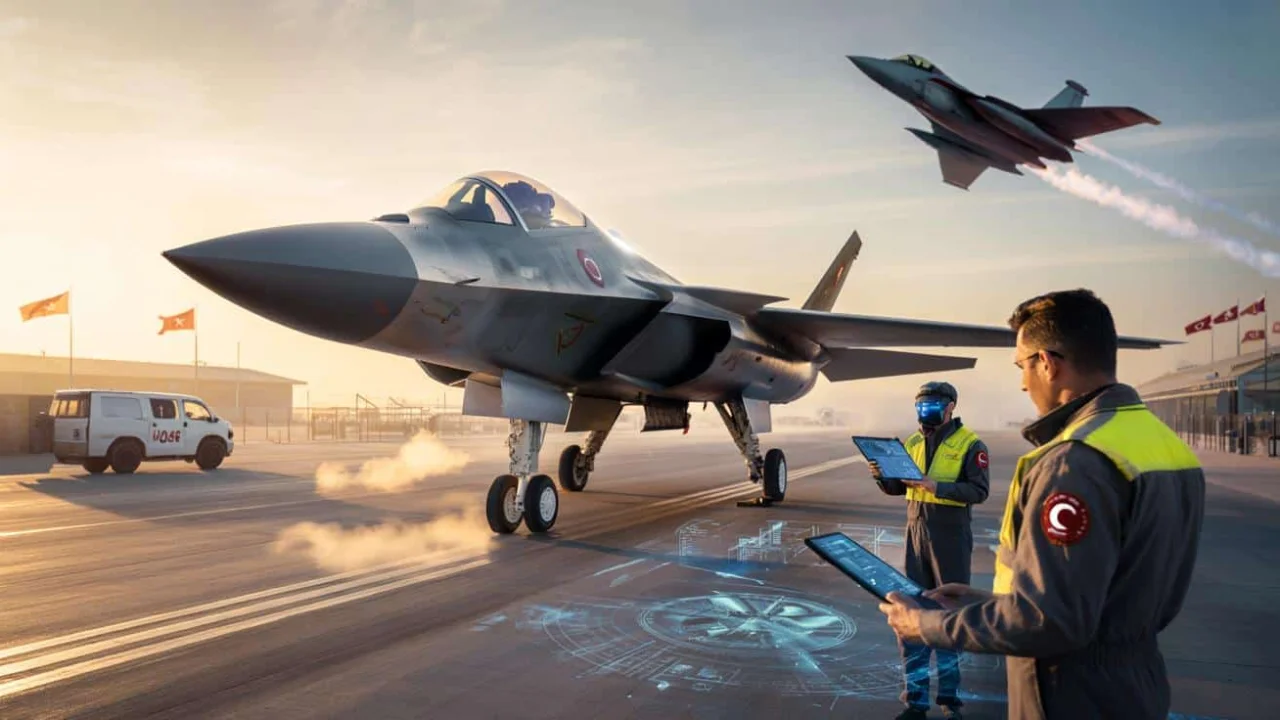
Inside a nearby control building, another team stares at rows of screens, tiny icons representing intercontinental ballistic missiles buried in silos across the Midwest. “Recharge” is the word the generals are using now. Harder posture, fewer assumptions.
The quiet part of deterrence is getting louder.
When the Nuclear Safety Net Unravels
For decades, the U.S. nuclear deterrence posture operated under a framework of treaties and agreements that provided predictable rules of engagement. That framework is crumbling. With Russia’s suspension of the New START treaty and China’s rapid nuclear expansion, the Air Force finds itself preparing for a reality where traditional safeguards no longer apply.
“We’re moving into uncharted territory,” says retired Air Force General Michael Stevens, who oversaw nuclear operations for six years. “The old playbook assumed everyone would play by the same rules. That assumption is dead.”
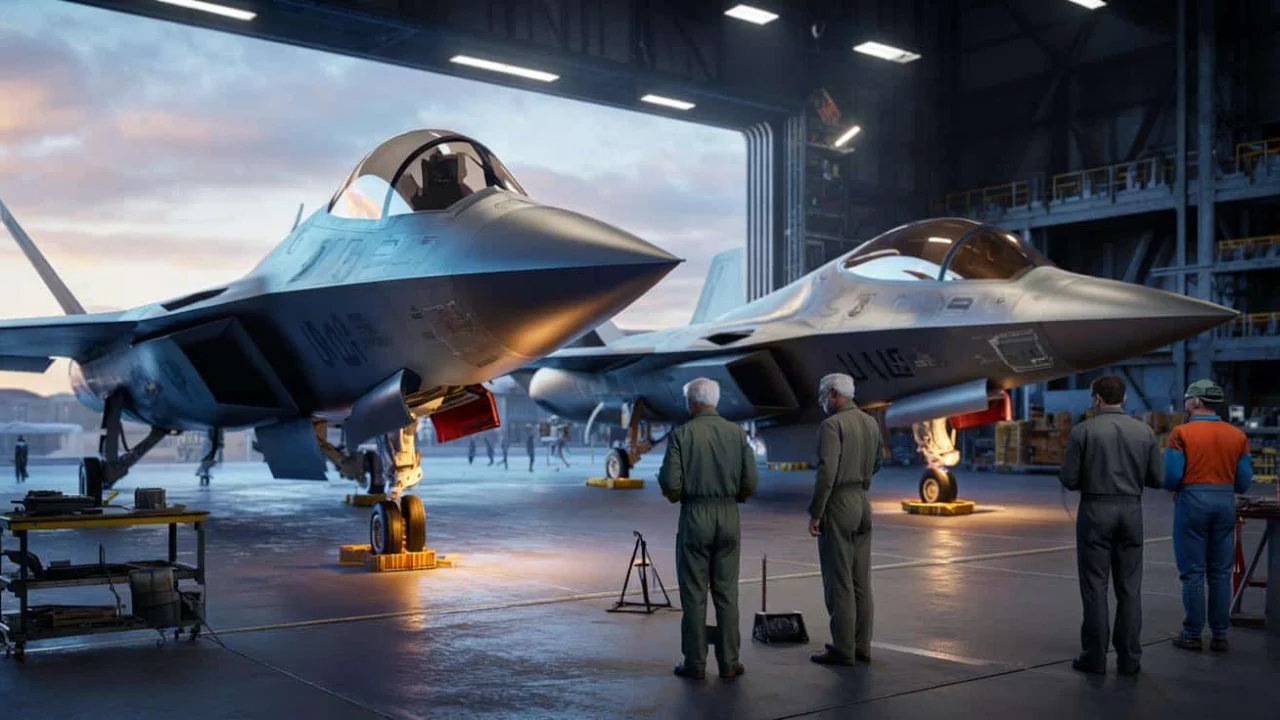
The shift represents more than military strategy—it’s a fundamental change in how America approaches global security. The nuclear deterrence posture that kept the peace for generations now requires aggressive modernization and tactical flexibility that many hoped we’d never need again.
B-52 Stratofortresses, some dating back to the 1960s, are being retrofitted for dual-capable missions. These aircraft can now seamlessly switch between conventional bombing runs and nuclear deployment, creating what military planners call “strategic ambiguity.” Adversaries can’t know which mission is active until it’s too late.
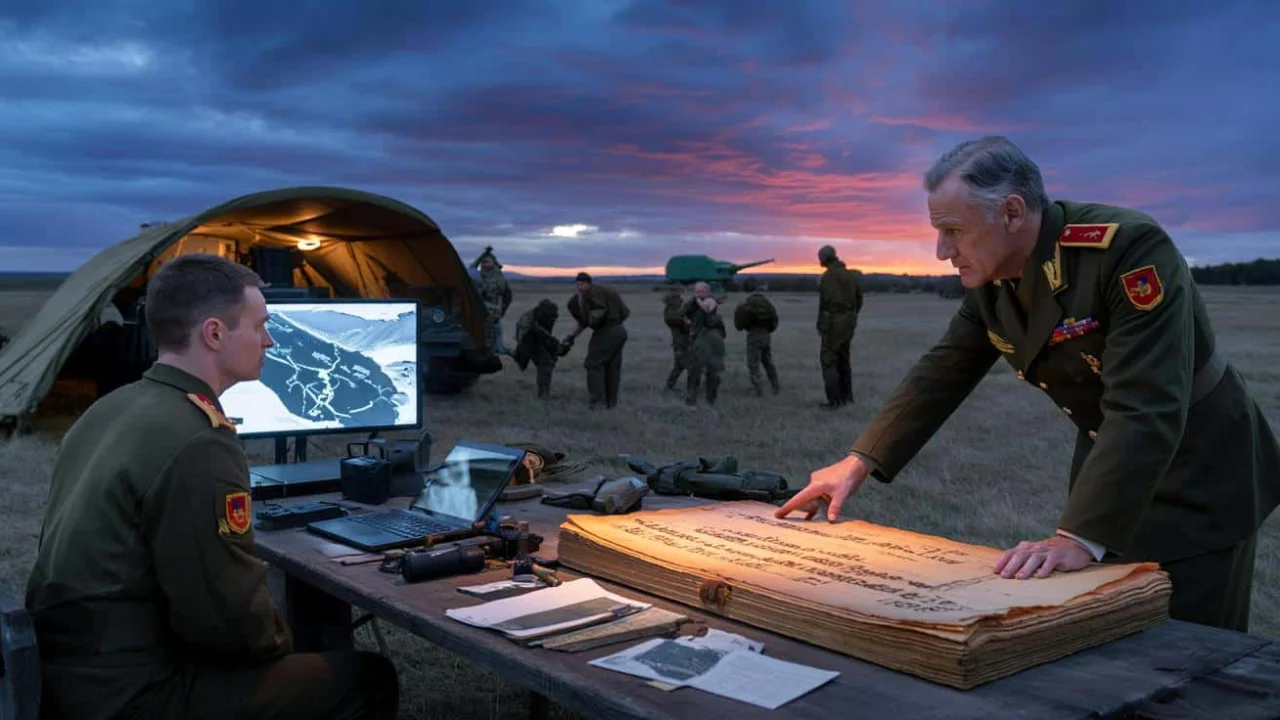
The New Nuclear Reality: Key Changes and Capabilities
The Air Force’s enhanced nuclear deterrence posture involves multiple components working together to create a more flexible and unpredictable defense system. Here’s what’s actually changing on the ground:
| Component | Previous Status | New Capability | Strategic Impact |
|---|---|---|---|
| B-52 Bombers | Single-mission focused | Dual nuclear/conventional | Increased unpredictability |
| ICBM Systems | Maintenance mode | “Recharged” readiness | Faster response times |
| Deployment Pattern | Predictable rotations | Flexible positioning | Global reach expansion |
| Alert Status | Standard readiness | Enhanced alert levels | Shortened reaction windows |
The “recharging” of intercontinental ballistic missiles involves more than maintenance. It’s about bringing systems that were effectively mothballed back to full operational capacity. Colonel Sarah Martinez, a nuclear systems specialist, explains the complexity: “These aren’t light switches. Every system has to be tested, retested, and integrated with new technologies while maintaining absolute reliability.”
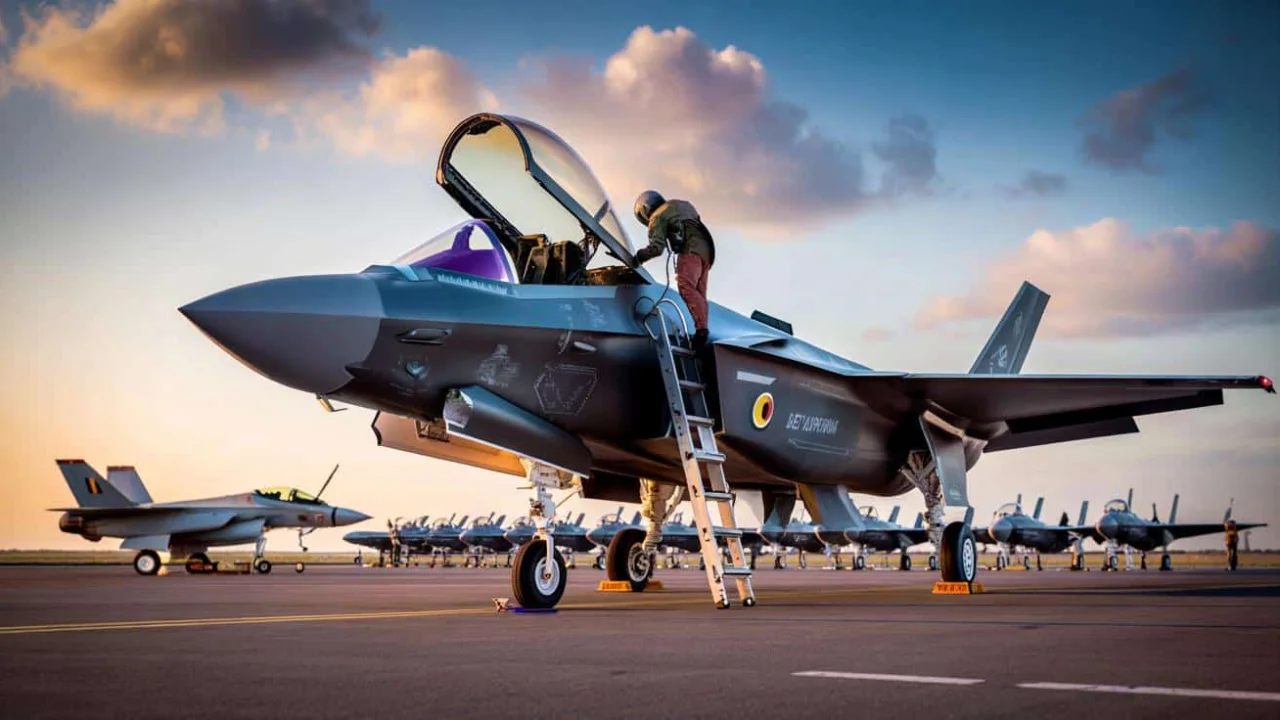
Key operational changes include:
- Extended patrol ranges – B-52s now operate from bases closer to potential conflict zones
- Reduced maintenance windows – More aircraft available for missions at any given time
- Enhanced communication systems – Direct links between command centers and deployment platforms
- Cross-training programs – Crews prepared for both nuclear and conventional missions
- Accelerated modernization – New guidance systems and payload configurations
What makes this shift particularly significant is the speed of implementation. Military sources indicate that full operational capability for the enhanced nuclear deterrence posture could be achieved within 18 months, much faster than typical defense program timelines.
What This Means for Everyone Else
The implications extend far beyond military installations in North Dakota and Wyoming. This hardened nuclear deterrence posture affects global economics, diplomatic relationships, and the daily calculations that world leaders make about conflict and cooperation.
Regional allies are already adjusting their own defense strategies. NATO partners are requesting briefings on how the enhanced U.S. posture affects collective defense agreements. Pacific allies are asking similar questions about deterrence in the South China Sea.
“When America changes its nuclear posture, the whole world recalibrates,” notes Dr. Elena Rodriguez, a defense policy analyst. “Countries that felt secure under the old framework now have to consider new scenarios they hoped would never materialize.”
For ordinary Americans, the enhanced nuclear deterrence posture creates both reassurance and anxiety. Communities near military bases are seeing increased activity and security measures. Defense contractors are ramping up hiring for specialized positions. Emergency management agencies are quietly updating protocols they haven’t touched in decades.
The economic impact is already visible. Defense stocks have surged as investors recognize the long-term commitment to nuclear modernization. Rare earth metal prices are climbing as demand increases for missile guidance systems and advanced electronics.
But perhaps the most profound change is psychological. The enhanced nuclear deterrence posture signals that the post-Cold War era of assumed stability is definitively over. Military families are having conversations about deployment patterns that seemed impossible just five years ago. College students are choosing career paths in nuclear engineering and strategic defense that their professors thought were becoming obsolete.
“My son asks me questions about nuclear war that I never had to ask my parents,” says Jennifer Walsh, whose husband works at Minot Air Force Base. “I don’t have good answers because we’re all figuring this out in real time.”
The enhanced nuclear deterrence posture represents a bet that strength and unpredictability will preserve peace better than treaties and agreements. Whether that bet pays off depends on how other nuclear powers respond to America’s harder line. Early indications suggest the world is entering a new phase of strategic competition where the stakes are higher and the margins for error smaller than anyone wanted to contemplate.
FAQs
What exactly does “recharging” nuclear missiles mean?
It means bringing intercontinental ballistic missiles from maintenance status to full operational readiness, with upgraded systems and faster response capabilities.
How quickly can B-52s switch between nuclear and conventional missions?
With new dual-capable configurations, mission types can be changed during flight planning stages, though specific timeframes remain classified for security reasons.
Will this new nuclear deterrence posture increase the risk of nuclear conflict?
Military leaders argue that stronger deterrence actually reduces conflict risk by making the consequences of aggression more clear and immediate.
How much will this enhanced nuclear posture cost taxpayers?
Official budget figures aren’t public, but defense analysts estimate the program will require tens of billions in additional spending over the next decade.
Are other countries taking similar steps with their nuclear forces?
Russia and China have both announced nuclear modernization programs, while smaller nuclear powers are closely watching how the major powers respond to changing strategic dynamics.
What happens if nuclear treaties can’t be renewed or replaced?
Without treaty frameworks, nuclear powers would operate with fewer constraints and less predictability, potentially leading to arms race dynamics not seen since the Cold War.
About the Author