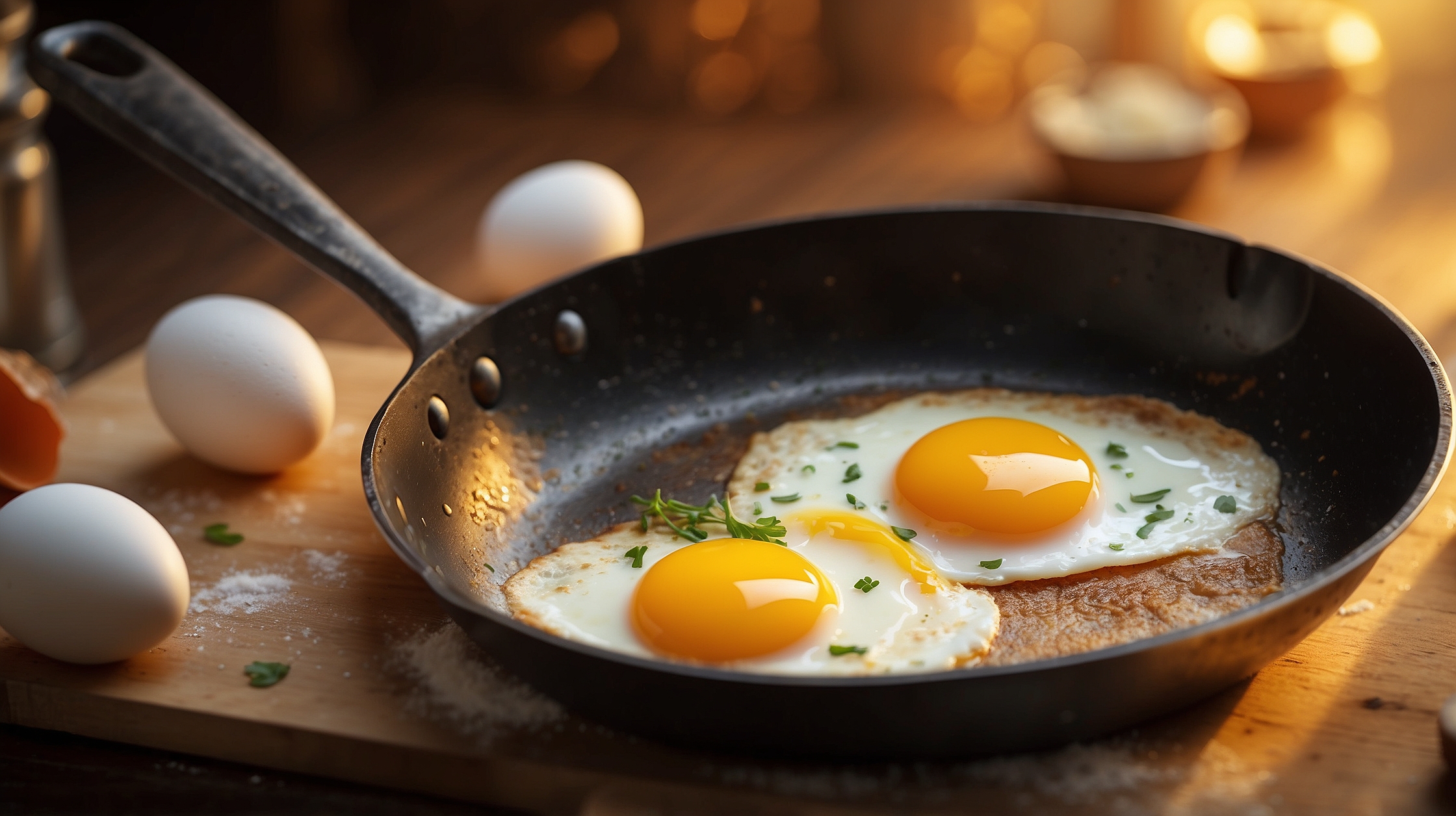

For anyone who has ever tried frying an egg without butter or oil, the frustration of half the egg sticking to the pan is all too familiar. Not only does this make for a messy cleanup, but it also robs you of a picture-perfect breakfast with fully intact yolks and whites. However, a surprisingly effective kitchen trick is making waves among home cooks: using plain flour to keep fried eggs from sticking without the need for any buttery or greasy add-ons.

This simple method addresses one of the biggest challenges in minimalist cooking—getting eggs off the pan cleanly when fat isn’t an option. Whether you’re watching your calorie intake, avoiding dairy, or just ran out of butter, this flour trick could turn your egg game around. And the best part? It takes just seconds to do.
How the flour trick works to prevent sticking
| Technique | Dusting pan with a thin layer of flour before frying |
|---|---|
| Primary Benefit | Prevents eggs from sticking in the absence of butter or oil |
| Best Pan Type | Non-stick or well-seasoned cast iron |
| Time to Prepare | Less than 1 minute |
| Calories Added | Virtually none |
| Recommended Flour Type | All-purpose flour |
Why eggs typically stick to the pan
Before diving into the flour trick, it’s important to understand why eggs tend to stick to certain pans. When raw egg hits a hot surface, the proteins in the egg quickly bond with the metal molecules. If there’s no barrier between the egg and the pan—like butter, oil, or a non-stick coating—this bonding can cause the egg to cling stubbornly to the surface.

In the absence of fat, you need something that interrupts this direct contact. That’s where flour comes in. Flour forms a thin, dry layer that separates the egg from the metal while allowing heat to be conducted through for an even cook.
How to apply the flour method step-by-step
Using the flour trick is incredibly simple. Here’s how it works:

- Preheat your non-stick or cast iron pan on medium heat.
- Once the pan is warm, sprinkle a light dusting of all-purpose flour across the surface. You don’t need much—just enough to cover the base with a whisper-thin coating.
- Heat the pan for another 10–15 seconds to slightly toast the flour, which removes any raw flour taste.
- Gently crack the egg into the pan and cook as usual. Tilt or move slightly to ensure even cooking if needed.
- Use a spatula to slide the egg from the pan once cooked. You’ll notice how easily it lifts off—no breakage, no tearing.
“This trick is genius. I’ve tried dozens of methods to cut back on butter but none worked this reliably. The flour creates a perfect buffer without altering flavor.”
— John Renner, Culinary InstructorAlso Read Why Compliments Can Feel Uncomfortable: The Psychology Behind Praise and What It Triggers Inside You
Best pans and flour types to use
While the flour trick is effective in most pans, it performs best in non-stick skillets or well-seasoned cast iron pans. Stainless steel pans can be more finicky, but a slightly heavier flour layer can still work. Avoid high heat, as it may burn the flour, imparting a bitter taste to your food.
As for flour type, all-purpose flour works beautifully due to its fine texture and neutral flavor. Whole wheat flour may lend a more toasted, earthy note, for those who enjoy complex flavors with breakfast. Gluten-free blends, rice flour, and even chickpea flour can be tried—with varying degrees of success depending on their absorption and thickness when dusted on dry surfaces.
Other benefits of skipping the butter
Not only does this hack keep your eggs intact and your pans clean, but it also contributes to a lighter meal. Butter or oil may add flavor, but they also tack on an extra 100 to 200 calories per serving. With the flour method, you’re adding only 2–5 calories max, easily fitting into even the strictest diet plans.
This method is especially meaningful for people observing certain dietary restrictions: lactose-intolerant individuals, vegans (who substitute the egg but use similar pans), and those on low-fat diets for medical purposes. It further opens the door for experimentation—think fried eggs dusted with garbanzo flour for a Mediterranean flair or using rice flour for a crisper edge.
Tips for perfect results every time
- Don’t overload with flour: A light coating is enough. Too much, and it can burn or clump.
- Pre-warm the flour: Let it toast just slightly before adding the egg to avoid raw flavor.
- Keep an eye on temperature: Medium heat allows the flour to act without scorching.
- Pair with a silicone spatula: For ultimate slide-off ease, use soft tools that won’t scrape the flour base away.
If you follow these simple rules, the flour trick can become an enduring staple in your cooking routine. It’s easy, it’s fast, and it transforms a simple egg into something frustration-free.
Chef-tested feedback and adaptations
Professional chefs and home cooks alike are beginning to adopt this old-yet-new trick due to its practicality. In blind tests, eggs cooked on flour-dusted pans showed significantly less sticking and better shape retention than those cooked in dry, unfloured pans.
“It’s about understanding interaction—flour acts like a sheet between food and metal. Brilliantly simple. We now teach this in our entry-level courses.”
— Marla Goins, Chef Instructor
For more advanced uses, some chefs have adopted slight variations. One popular mod: mix the flour with powdered spices or dried herbs before dusting for a minor flavor upgrade. Think paprika-flavored eggs or garlic-dusted whites—no additional calories, just extra flair.
Expanded use for other foods
While this method is being applauded for egg-frying, it’s not limited to just breakfast. Small pancakes, tofu slices, blinis, or even pan-seared cheese alternatives can benefit. Anything that you’d normally pan-fry and want a light crust or simply don’t want to stick can be tried with a flour-powdered base.
“When I found that I could fry tofu like this, it changed meal planning. No more oil splatter, no more sticky residue.”
— Elise Duran, Home Cook & Nutrition Blogger
Simple habits that lead to better cooking
Overall, this trick highlights a deeper cooking truth: the tiniest adjustments can have a huge impact. From saving calories to improving pan maintenance, a small spoonful of flour can boost your kitchen success by leaps. So next time you go to make morning eggs, try reaching for the pantry staple you’d never have thought to use this way.
Frequently Asked Questions
Can I use gluten-free flour for this method?
Yes, gluten-free flour usually works well. Rice flour and chickpea flour are especially effective, though results may vary by brand.
Will the eggs taste like flour?
Not if applied correctly. Toasting the flour slightly before adding the egg ensures no raw flour taste remains.
Is this method safe for all pan types?
Yes, but it’s most effective on non-stick skillets or cast iron. Stainless steel may require more careful heat control.
Does the flour burn easily?
It can if the pan is too hot. Use medium heat and toast for a few seconds only before adding the egg.
Is this method vegan-friendly?
Absolutely. While the tip is about cooking eggs, the same approach works great for vegan egg substitutes like tofu or chickpea patties.
Can I re-use the leftover flour in the pan?
It’s best to clean out old flour after each fry to avoid residue buildup or burning in future uses.
Is there any added nutritional value?
Minimal, as you’re using a very small amount. However, alternative flours may add fiber or micronutrients.
About the Author