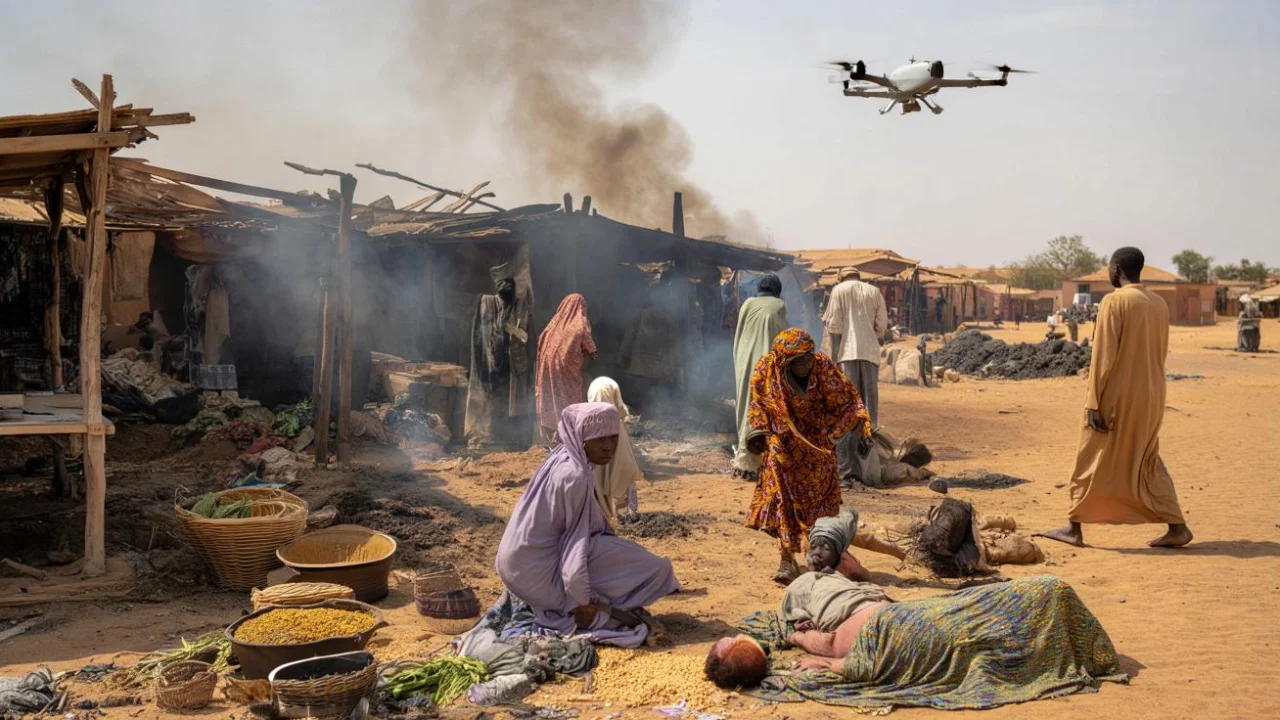
Aminata was haggling over the price of millet when she heard the distinctive whir of drone rotors above the crowded market. Like most people in Kokoloko village that January afternoon, she barely looked up. Drones had become a common sight in Niger’s Tillabéri region, part of the military’s fight against jihadist groups along the volatile border with Burkina Faso.

But this time was different. Within moments, the buzzing stopped, replaced by a deafening explosion that turned the bustling weekly market into a scene of devastation. When the smoke cleared, 17 civilians lay dead, including four children who had been playing between the market stalls just minutes earlier.
The Niger drone strike on January 6, 2026, has sparked international outrage and raised urgent questions about how African militaries are using increasingly sophisticated drone technology in their fight against terrorism.

What Really Happened in Kokoloko Village
The strike hit around 1:30 PM local time in the village of Kokoloko, located about 120 kilometers west of Niger’s capital, Niamey. This remote community sits just kilometers from the Burkina Faso border, in a region plagued by Islamic State affiliates and other jihadist groups.
According to witnesses interviewed by Human Rights Watch, a white military drone had been circling the area since late morning, making at least two passes over the village between 10 AM and 1 PM. Most villagers assumed it was routine surveillance – something they’d grown accustomed to in recent years.
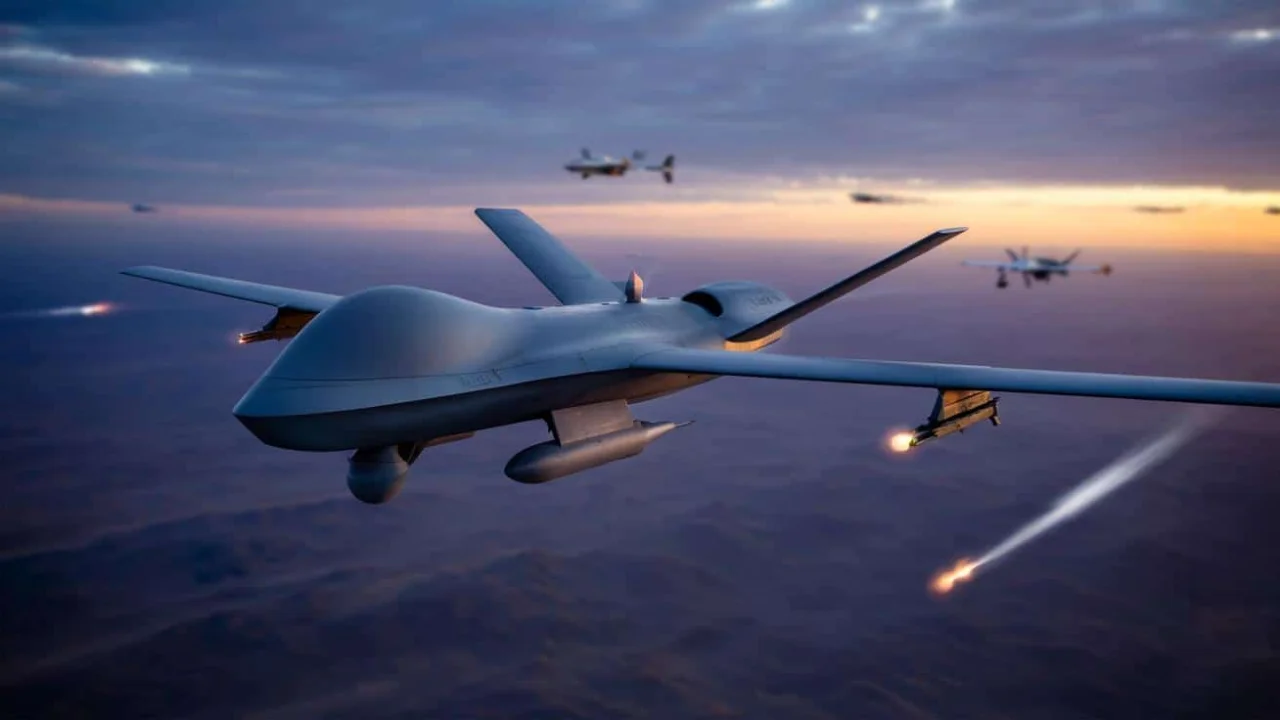
“We see these drones all the time now,” said one survivor who spoke on condition of anonymity. “Nobody thought anything bad would happen at the market where families go every week.”
The weekly market was packed with hundreds of people selling cooked food, buying grain, and trading livestock. Children ran between stalls while their parents conducted business. Then everything changed in an instant.
Human Rights Watch investigators determined that while three Islamic State fighters were indeed killed in the strike, the overwhelming majority of casualties were innocent civilians going about their daily lives.
Breaking Down the Casualties and Impact
The human cost of the Niger drone strike tells a devastating story about the challenges of using precision weapons in civilian areas:
| Category | Number | Details |
|---|---|---|
| Civilian Deaths | 17 | Including 4 children |
| Civilian Injuries | 13+ | Some with severe burns |
| Militant Deaths | 3 | Islamic State fighters |
| Market Stalls Destroyed | 12+ | Families lost livelihoods |
The aftermath extended far beyond the immediate casualties. Local residents described how the attack destroyed their main source of income and community gathering place.
Key consequences include:
- Families losing their primary weekly income from market sales
- Children too traumatized to attend school for weeks
- Villagers afraid to gather in groups for fear of future strikes
- Loss of trust between the community and Niger’s military
- Disruption of food supply chains to surrounding villages
“The market was our lifeline,” explained a local trader who lost his grain stall in the explosion. “Now people are afraid to come together, even for essential shopping.”
The strike also highlighted broader concerns about drone warfare in West Africa, where several countries have rapidly expanded their unmanned aerial capabilities with support from international partners.
Why This Attack Matters for the Region’s Future
The Niger drone strike represents a troubling trend across the Sahel region, where governments are increasingly relying on drone technology to combat insurgencies. While these weapons offer tactical advantages, they also raise serious questions about protecting civilian populations.
Several factors make this incident particularly significant for regional security:
Military experts point out that Niger has significantly expanded its drone capabilities since 2023, acquiring new unmanned systems from various international suppliers. However, training on distinguishing between combatants and civilians in complex environments appears to lag behind the technology.
“When you have militants deliberately mixing with civilian populations, drone operators face incredibly difficult split-second decisions,” noted a former military intelligence officer familiar with Sahel operations. “But that doesn’t excuse failing to take proper precautions.”
The incident has already affected relationships between Niger’s military and local communities who are essential allies in identifying terrorist threats. Villages that previously provided intelligence about jihadist movements are now more reluctant to cooperate.
International human rights organizations are calling for stronger oversight of drone programs across West Africa. They argue that countries receiving military assistance should be held to higher standards when it comes to protecting civilians.
The economic impact extends beyond Kokoloko village. The attack has disrupted trade routes used by merchants traveling between Niger and Burkina Faso, affecting thousands of people who depend on cross-border commerce for their livelihoods.
“This single strike has created ripple effects throughout the entire border region,” explained a development worker based in Niamey. “People are afraid to travel, markets are closing early, and economic activity has slowed dramatically.”
Perhaps most concerning is how the Niger drone strike could influence other countries in the region that are considering expanding their own drone programs. Mali, Chad, and Mauritania have all expressed interest in acquiring similar capabilities, but the Kokoloko incident demonstrates the risks of deploying these weapons without adequate safeguards.
The long-term implications for counterterrorism efforts remain unclear. While drones offer tactical advantages in tracking militant movements, civilian casualties can drive local populations toward supporting insurgent groups rather than cooperating with government forces.
As investigations continue, families in Kokoloko are still rebuilding their lives and trying to understand how a routine market day became a tragedy that claimed their neighbors, friends, and children. Their story serves as a stark reminder that in modern warfare, the line between precision strikes and civilian casualties remains dangerously thin.
FAQs
What caused the Niger drone strike in Kokoloko village?
Niger’s military conducted the drone strike targeting Islamic State fighters, but the attack hit a crowded civilian market where militants were allegedly present.
How many people died in the Niger drone strike?
The strike killed 17 civilians, including four children, along with three Islamic State fighters, while injuring at least 13 other civilians.
Where did the Niger drone strike take place?
The attack occurred in Kokoloko village in Niger’s Tillabéri region, about 120 kilometers west of the capital Niamey and near the Burkina Faso border.
Who investigated the Niger drone strike?
Human Rights Watch conducted a detailed investigation, interviewing witnesses and analyzing satellite imagery and videos from the scene.
Why is the Niger drone strike controversial?
The attack violated laws of war by failing to properly distinguish between civilians and combatants in a densely packed civilian area.
What weapons did Niger use in the drone strike?
The strike was carried out by a white military drone that had been conducting surveillance over the village since late morning before launching the fatal attack.
About the Author