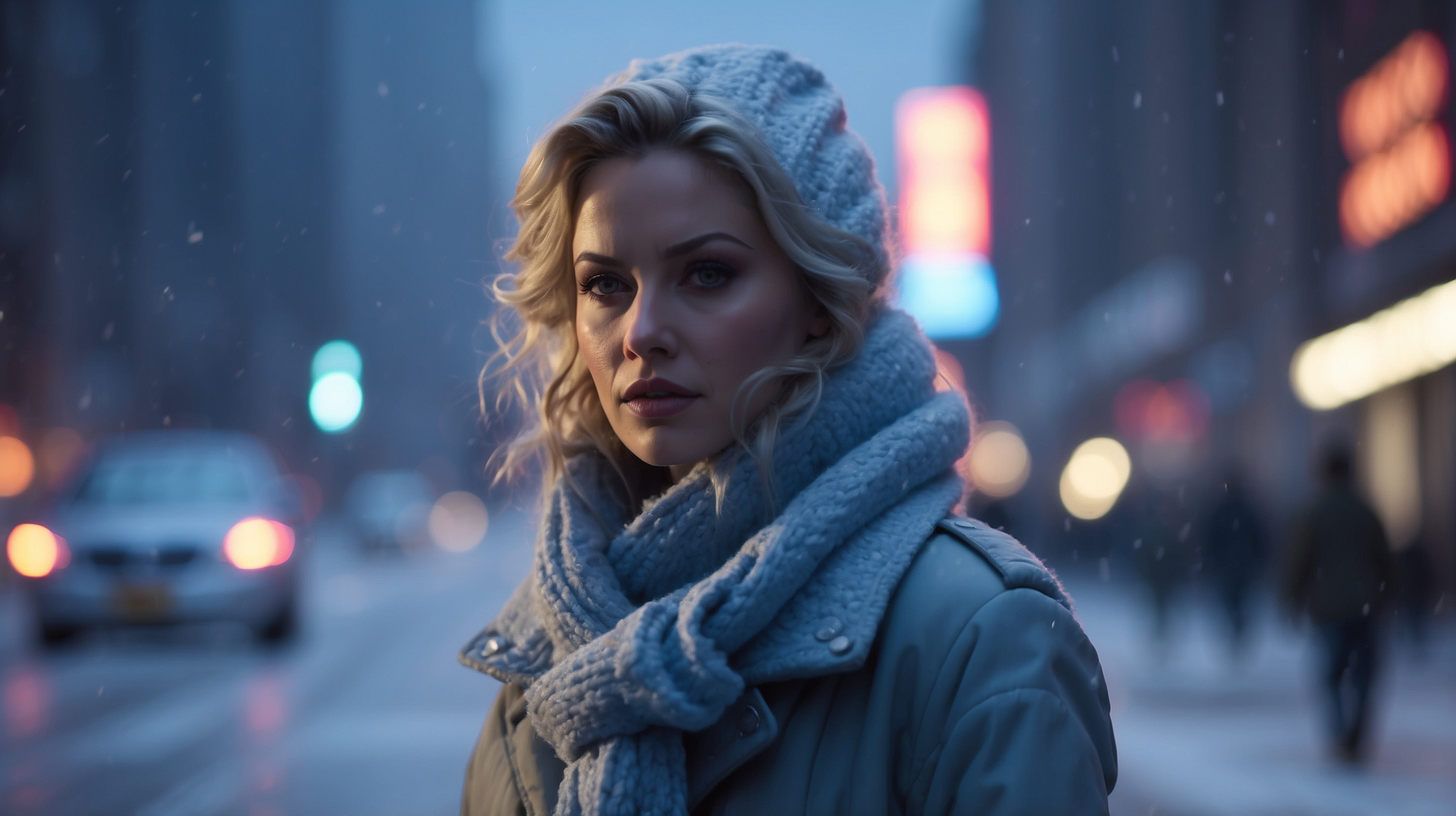

As New York grapples with one of its coldest winters in recent history, residents face more than just bone-chilling temperatures—they face a legitimate health threat: **hypothermia**. With wind chills plunging well below zero, understanding how to identify early warning signs of hypothermia and implementing preventative measures is critical for public safety. Doctors, emergency responders, and city officials are urging people to take extraordinary precautions, especially those who are elderly, unhoused, or work outdoors.
While city officials activate warming centers and ramp up public service announcements, individuals have a vital role to play in safeguarding themselves and vulnerable community members. **Recognizing hypothermia early can mean the difference between a safe recovery and a life-threatening emergency**. This guide sheds light on how to spot the signs early, what steps to take at home or on the street, and how the community can band together to stay safe during extreme cold snaps.
Essential facts about hypothermia in cold weather
| Topic | Details |
|---|---|
| Definition | Hypothermia occurs when body temperature drops below 95°F (35°C) |
| Primary Risk Factors | Age (elderly and infants), outdoor work, lack of shelter, alcohol use |
| Early Symptoms | Shivering, confusion, slurred speech, slow breathing, clumsiness |
| Emergency Action | Warm slowly, move to shelter, remove wet clothing, seek medical help |
| Preventative Measures | Layered clothing, insulation, heated shelters, community check-ins |
Why New York is at risk this season
New York has seen dramatic drops in temperature this winter, driven by a polar vortex pattern that is funneling Arctic air deep into the Northeast. With overnight lows frequently in the single digits and wind chills creating conditions that feel even colder, **exposure time required to trigger hypothermia is dramatically shorter**. According to local meteorologists, this deep freeze is one of the worst in a decade, urging city officials to expand warming services and adjust emergency operations.

But despite these institutional interventions, the actual risk still rests within communities themselves. “Every year we see patients come in with preventable hypothermia,” noted emergency room physicians at local hospitals. “It’s often overlooked or mistaken for fatigue or intoxication.”
We’ve had several cases where residents didn’t even realize they were becoming hypothermic until they needed emergency care. Early detection is critical.
— Dr. Elaine Torrance, ER Physician, Gotham Medical CenterAlso Read IRS Tax Refund Timeline: The Simple Method to Estimate When Your Money Will Arrive
Who faces the highest risk and why that matters
The effects of hypothermia are not evenly distributed. The elderly, infants, people with chronic health conditions, and the unhoused population are especially vulnerable. Age impairs the body’s ability to regulate temperature, while certain medications can dull the body’s heat-retention functions. Unhoused individuals typically lack adequate clothing and heated shelters, particularly overnight.

Additionally, those who work outdoors, such as delivery personnel, construction workers, and first responders, must be vigilant. “Hypothermia can sneak up on you, especially when you’re active and think you’re warm,” warns public health officials.
How to recognize the signs of early hypothermia
Recognizing the **early signs of hypothermia** can potentially save lives. Initial symptoms may include:
- Persistent shivering
- Slurred speech
- Clumsiness or fumbling hands
- Slow or shallow breathing
- Loss of coordination or confusion
- Extreme fatigue or drowsiness
In severe cases, shivering may stop—a sign the body is losing its ability to produce heat, which can lead to unconsciousness or even death.
Any confusion, disorientation, or severe drowsiness should be taken seriously. Hypothermia doesn’t announce itself loudly—it creeps in quietly.
— Dr. Nina Patel, Internal Medicine Specialist
Emergency steps to take if hypothermia is suspected
If you suspect someone is suffering from hypothermia, **take immediate action**:
- Move the person indoors or into a warm, dry space
- Remove any wet clothing and replace with dry, layered attire
- Wrap the individual with warm blankets, especially around the chest and neck
- Offer warm, non-alcoholic, non-caffeinated drinks if the person is conscious
- Do not warm too quickly with hot water or direct heat
- Call 911 or visit the nearest emergency center immediately
Time is a critical factor. **Never assume someone will “warm up on their own.”** If they’re exhibiting symptoms, appropriate responses must be taken to avoid permanent injury or death.
What parents and caregivers need to know
Children can lose body heat faster than adults, and may not be able to communicate discomfort effectively. Caregivers should ensure kids are dressed in **multiple insulated layers**, including waterproof outerwear, hats, gloves, and warm socks.
Infants are particularly vulnerable. Never place an infant in a car seat carrier outdoors in frigid weather for extended periods. If you must leave the house, limit time outside and keep babies bundled close to your body to share warmth.
Protecting older adults during temperature drops
Older adults often have medical conditions that lower their ability to regulate heat. In some cases, they may not feel the cold as acutely, making them more susceptible to developing hypothermia. Encourage frequent room temperature checks, **offer extra layers**, and consider daily check-ins either by phone or in person.
We recommend families set a minimum thermostat temperature of 68°F and ensure seniors have access to heated, well-insulated living spaces during cold alerts.
— Rachel Lin, NYC Department for the Aging
Community programs and how to access help
During cold-weather emergencies, the city opens additional warming centers and expands outreach through emergency shelter teams. Whether you’re concerned about a neighbor or experiencing homelessness, **resources are available across the boroughs**. Libraries, senior centers, churches, and select public buildings are designated warming spaces.
City-run outreach teams can also assist in wellness checks and provide transport to safe shelters. If you see someone in distress—or if you are concerned—individuals are encouraged to notify local social services or call emergency hotlines.
Winners and losers in the fight against the cold
| Winners | Losers |
|---|---|
| Residents accessing warming centers promptly | Individuals without shelter facing overnight exposure |
| Communities practicing wellness check-ins | Elderly individuals isolated without external support |
| Children kept home during temperature alerts | Outdoor laborers without proper gear or breaks |
Frequently Asked Questions about Hypothermia
What temperature is considered too cold and poses hypothermia risk?
Any temperature below 40°F, especially with wind or moisture, can begin to increase the risk. The danger rises dramatically below 20°F.
How fast can hypothermia set in?
In extreme conditions, hypothermia can begin within minutes, particularly if clothing is wet or if there is direct exposure to wind.
Can you get hypothermia indoors?
Yes. Poorly heated homes or rooms below 60°F for extended periods may lead to hypothermia, particularly in elderly or ill individuals.
Is shivering always a sign of hypothermia?
Shivering is an early warning sign. However, when shivering stops, it often indicates more advanced hypothermia, which is far more dangerous.
What type of clothing is best to prevent hypothermia?
Layered, insulated clothing is best. Include thermal undergarments, a moisture-wicking base layer, waterproof outer layers, and insulated gloves and hats.
Are certain medications contributing factors?
Yes. Sedatives, antidepressants, and certain cardiovascular medications may impair the body’s response to cold, increasing risk.
What should I do if I see someone passed out in the cold?
Call 911 immediately. Do not assume they’re asleep. Try to move them to a safer environment and monitor vital signs if trained to do so.
Do alcohol or drugs increase hypothermia risk?
Yes. Alcohol widens blood vessels and makes you feel warmer temporarily, but it actually causes more rapid heat loss and impairs judgment.
About the Author