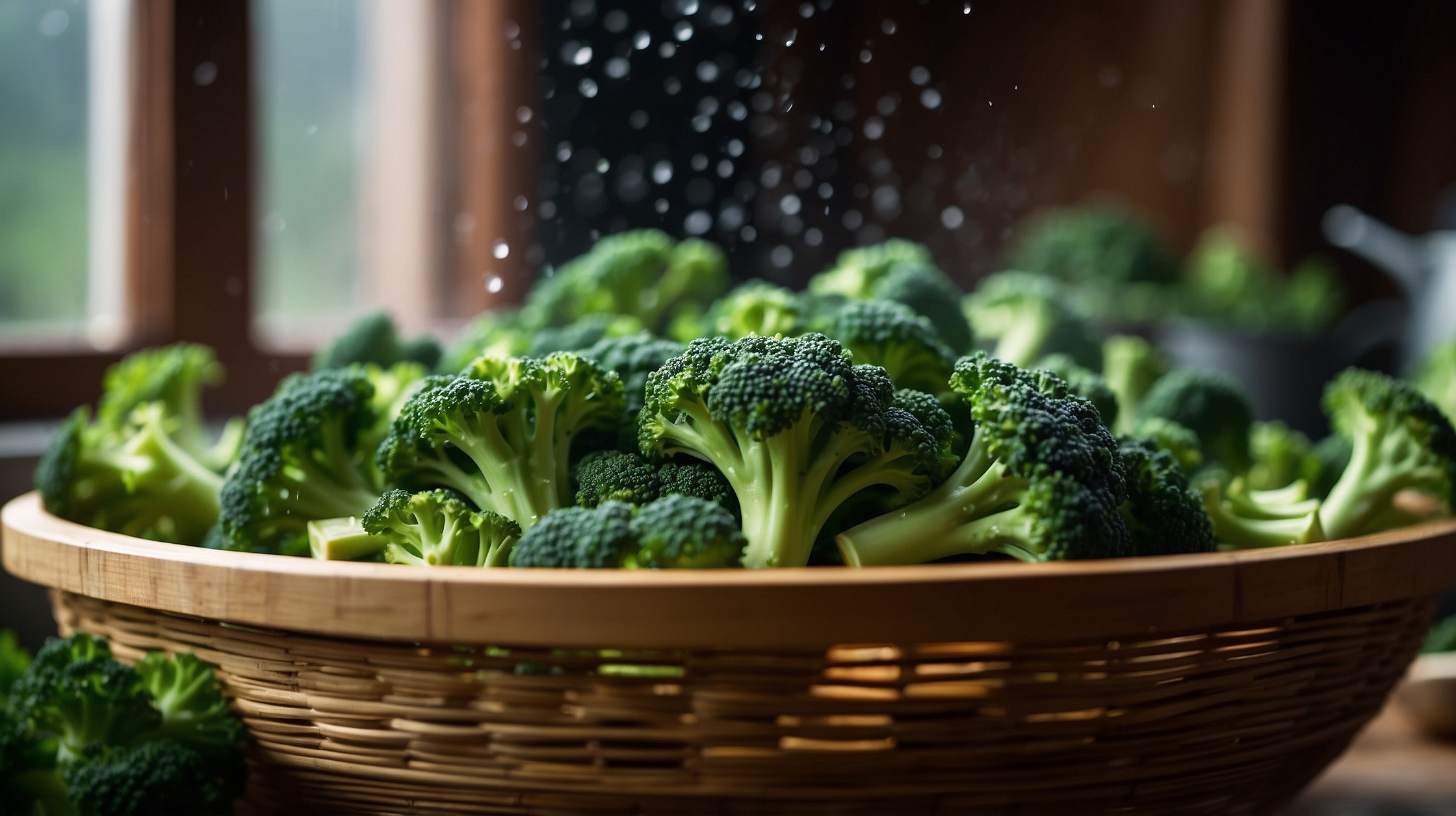

Broccoli has long been hailed as a superfood, packed with vitamins, minerals, and powerful antioxidants. But recent studies show that the way you cook this green cruciferous vegetable could dramatically affect its nutritional value. If you’re steaming, boiling, or even eating it raw, you might be missing out on some of broccoli’s most potent health benefits. The cooking method you choose can determine whether broccoli becomes a disease-fighting powerhouse—or a nutrient-deficient disappointment.

While the traditional wisdom has often favored raw vegetables for maximum nutrition, broccoli may be an exception to that rule. But don’t swing to the other extreme either; boiling, one of the most common ways people prepare broccoli, can strip away a substantial portion of its vital compounds. So, what’s the best cooking method for this nutritious vegetable? Scientists and dietitians are offering new answers—and the ideal method may surprise you.
Quick guide to the best cooking methods for broccoli
| Cooking Method | Nutrient Retention | Flavor & Texture | Time Needed |
|---|---|---|---|
| Steaming | High Retention (especially vitamin C and glucosinolates) | Soft but vibrant | 5–7 minutes |
| Microwaving | Very High Retention | Crisp & tender | 3–4 minutes |
| Sautéing | Medium Retention | Rich & slightly caramelized | 6–8 minutes |
| Boiling | Low Retention (loss of ~50% of some vitamins) | Soft & waterlogged | 4–5 minutes |
| Raw | Mixed Retention (better for fiber, less effective activation of compounds) | Crisp & bitter | N/A |
Why broccoli deserves attention in your diet
Broccoli is a rich source of fiber, vitamin C, vitamin K, iron, and potassium. But what truly sets this vegetable apart are its bioactive compounds, especially glucosinolates and myrosinase. When metabolized, these compounds produce sulforaphane, a potent antioxidant with anti-inflammatory and anti-cancer properties. The body’s ability to access these compounds depends significantly on how the vegetable is prepared and consumed.

According to nutrition researchers, if you want to maximize the disease-preventing compounds in broccoli, you must understand how heat interacts with the enzymes responsible for releasing these nutrients. As a result, the best cooking method carefully balances enough heat to soften the vegetable while preserving these fragile compounds.
The heat factor: Why boiling misses the mark
Boiling broccoli might be a quick fix for busy weeknights, but it’s the worst method when it comes to nutrition retention. Water-soluble vitamins like vitamin C and folate begin to leach into the water almost immediately, and the vegetable’s unique polyphenols suffer under high heat and direct water exposure.

“Boiling broccoli for more than just a few minutes destroys up to 50% of its key nutrients. You’re basically pouring those benefits down the drain.”
— Dr. Linda Rosenthal, Registered Dietitian and Food Chemist

Because glucosinolates and myrosinase are heat-sensitive and water-soluble, cooking methods involving direct contact with hot water—like boiling or blanching—pose a risk to broccoli’s most valuable nutrients. If you love the taste of boiled broccoli, consider cutting down the cooking time and avoiding the temptation to drain and discard the cooking water if possible.
Raw isn’t always better: The downside of skipping heat
Consuming raw broccoli still offers benefits—particularly fiber and low-calorie satiety—but raw broccoli doesn’t allow optimal activation of the enzyme sulforaphane. Without a small amount of cooking, the potential anti-cancer properties remain largely locked within plant cell walls.
Moreover, some people find raw broccoli difficult to digest due to its high insoluble fiber content and slightly bitter taste. If you’ve ever experienced bloating or discomfort after consuming raw cruciferous vegetables, you’re not alone.
“A light heat treatment activates protective enzymes in broccoli you just won’t get raw. That’s the sweet spot for nutrition and digestibility.”
— Dr. Mei Takashi, Nutritional Biochemist
Steaming: The gold standard for broccoli lovers
Steaming has emerged as the most effective way to cook broccoli while preserving its nutritional potency. A short steam—ideally no longer than seven minutes—preserves vitamin C, retains sulforaphane activity, and softens the vegetable just enough to make it palatable without destroying its texture or vibrant green color.
Microwaving with minimal water in a covered bowl has an almost identical nutrient profile to steaming and offers even faster results. The key with microwaving is to avoid overcooking, which can accelerate nutrient loss. Aim for high settings for 3–4 minutes, and let the steam inside do the work.
Sautéing and stir-frying: The flavorful middle ground
If you’re after a rich flavor profile and don’t mind a slight nutrient compromise, sautéing or stir-frying your broccoli can offer a great balance. Using healthy fats like olive or avocado oil can even promote the absorption of fat-soluble vitamins, such as vitamin K. However, the extended exposure to heat can still degrade sensitive compounds if cooking time isn’t carefully monitored.
Pro-tip: Sauté broccoli with garlic and a splash of lemon juice. Not only does this enhance flavor, but citric acid may help stabilize some antioxidants and improve absorption.
The ultimate broccoli cooking hack: mustard seeds
If you must cook your broccoli more thoroughly, all isn’t lost. A proven kitchen hack involves sprinkling a small amount of mustard powder or crushed mustard seeds onto cooked broccoli. These contain their own sources of myrosinase, which revives sulforaphane production—bringing back up to 80% of the bioactivity lost from cooking.
“Adding a tiny pinch of mustard seeds to steamed or sautéed broccoli can restore much of what boiling or overcooking destroys—nutritionally, it’s a game changer.”
— Dr. Carlos Emery, Food Science Professor
Best practices for buying, storing, and prepping broccoli
Keep these pro tips in mind to get the most out of your broccoli:
- Choose broccoli with firm, dark green florets and tight heads.
- Store unwashed broccoli in the crisper drawer in a loose plastic or paper bag to retain moisture.
- Wash only before use to avoid early spoilage.
- Cut broccoli into uniform pieces for even cooking and nutrient distribution.
- Let chopped raw broccoli rest for 40 minutes before cooking to allow sulforaphane activation.
FAQs about cooking broccoli for maximum nutrients
What is the healthiest way to cook broccoli?
Steaming or microwaving with minimal water are considered the healthiest methods, preserving the most nutrients.
Is eating raw broccoli better than cooked?
Not always. While raw broccoli offers fiber and low calories, light cooking like steaming activates sulforaphane for maximum benefits.
Does boiling broccoli kill nutrients?
Yes, boiling significantly reduces water-soluble vitamins and antioxidants by leaching them into the cooking water.
Does overcooking broccoli affect its benefits?
Yes, overcooking, especially with high heat or long durations, can destroy vital compounds like vitamin C and myrosinase.
Can I microwave broccoli for the same benefits as steaming?
Yes, microwaving with a bit of moisture in a covered dish preserves nutrients very well—just be sure not to overcook.
How do mustard seeds restore nutrients in cooked broccoli?
Mustard seeds contain myrosinase, which helps re-activate sulforaphane in cooked broccoli for restored antioxidant power.
Is sautéed broccoli still healthy?
Yes, especially if cooked quickly in healthy oils, though it retains slightly fewer nutrients than steaming or microwaving.
How long should I steam broccoli for the best results?
Steam broccoli for 5–7 minutes to maintain color, flavor, and the majority of its nutrients, especially sulforaphane compounds.
About the Author
