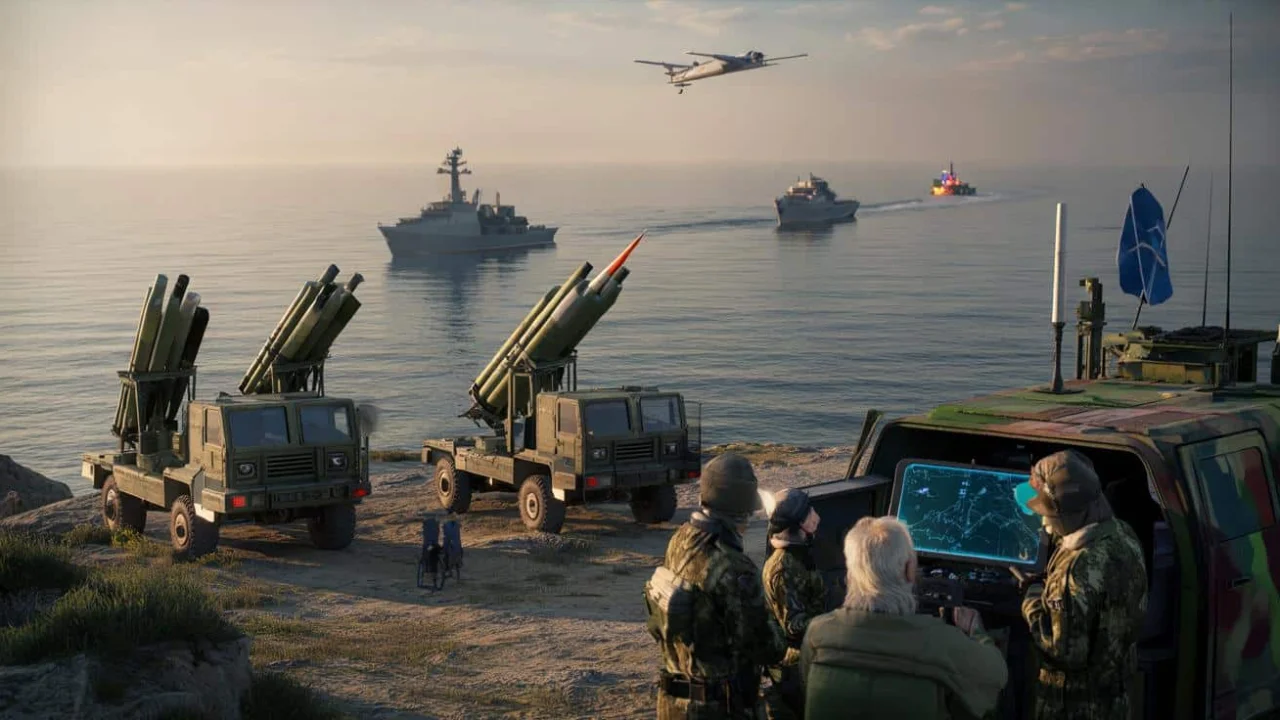
Captain Dimitar Petrov still remembers the morning his fishing boat spotted something unusual floating near Bulgaria’s coast last spring. What looked like debris from a distance turned out to be a sea mine, likely torn loose from Ukrainian waters by winter storms. “We called the coast guard immediately,” he recalls, his weathered hands gripping his coffee cup. “But it made me think – what if that had been something worse?”

That unsettling question now echoes through government offices in Sofia. The Black Sea, once a relatively quiet body of water for Bulgarian fishermen and cargo ships, has become a chess board where nations move warships and deploy weapons systems. For ordinary Bulgarians living along the coast, this shift feels both distant and uncomfortably close.
The government’s response arrived this week in the form of a major defense decision that will reshape Bulgaria’s ability to defend its waters.
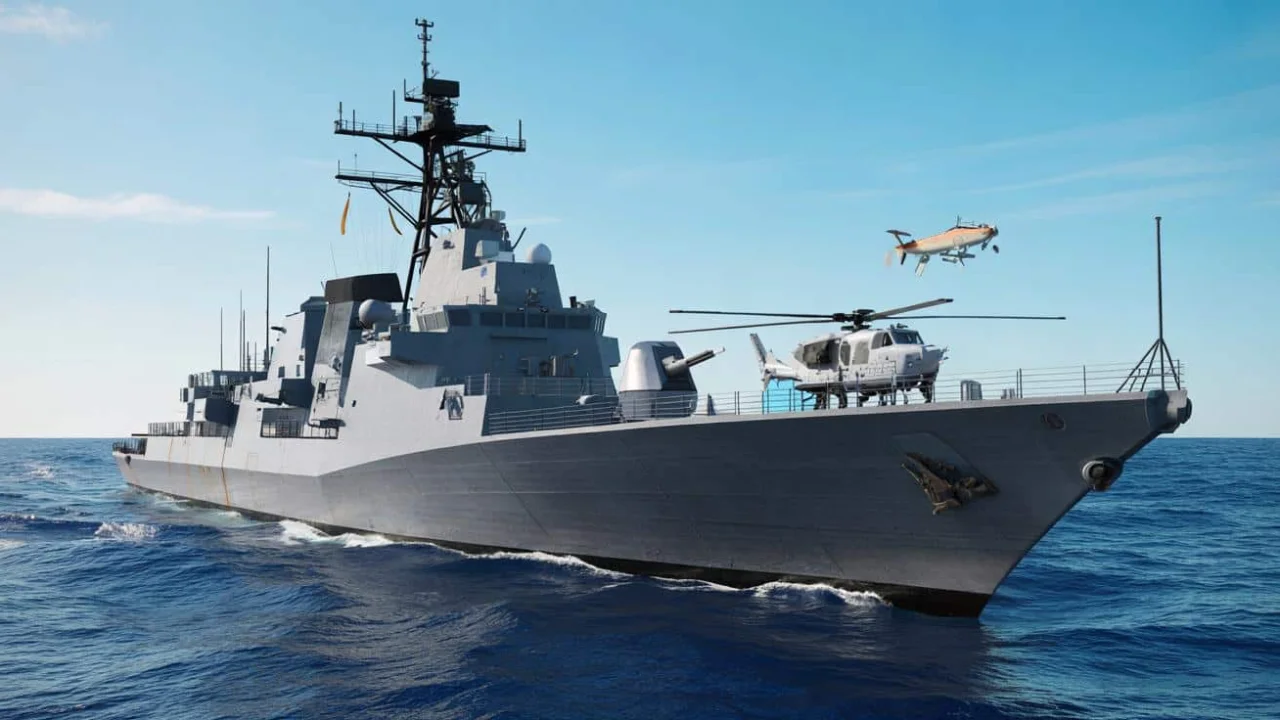
Bulgaria Doubles Down on Coastal Defense
The Bulgarian cabinet has officially approved the purchase of the Naval Strike Missile system, a sophisticated coastal defense weapon capable of engaging enemy ships well beyond the horizon. The $205 million deal represents one of the country’s largest military acquisitions in recent years.
Defense Minister Atanas Zaprianov announced the decision during a press conference, emphasizing that the naval strike missile purchase addresses a critical gap in Bulgaria’s defense capabilities. The system will be acquired through a government-to-government agreement with the United States, despite being manufactured by Norwegian defense contractor Kongsberg.

“This isn’t just about buying missiles,” explains former Bulgarian naval officer Commander Stefan Angelov. “It’s about sending a clear message that Bulgaria can defend its territorial waters and shipping lanes.”
The timing isn’t coincidental. Russian naval activity in the Black Sea has increased dramatically, while Ukraine’s ports remain under constant threat. Bulgaria finds itself positioned between these competing forces, with its own economic interests hanging in the balance.

What You Need to Know About This Defense Deal
The Naval Strike Missile system brings several key capabilities to Bulgaria’s coastal defense strategy:
- Range: Can engage targets over 185 kilometers away
- Stealth features: Flies low to avoid radar detection
- All-weather capability: Operates in harsh Black Sea conditions
- NATO compatibility: Integrates with existing alliance systems
- Mobile deployment: Can be repositioned along the coastline

The financial breakdown reveals the scope of Bulgaria’s commitment:
| Component | Estimated Cost | Source |
|---|---|---|
| Naval Strike Missile units | $150 million | US/Norway |
| Launch systems | $35 million | US/Norway |
| Training and support | $15 million | US Military |
| Integration costs | $5 million | Bulgarian contractors |
The deal still requires parliamentary approval, but political observers expect smooth sailing through the National Assembly. Both government and opposition parties have voiced support for strengthening coastal defenses.
“The math is simple,” notes defense analyst Maria Todorova. “Bulgaria’s current coastal defense systems are decades old. The naval strike missile represents a generational leap forward.”
How This Changes the Game for Everyone
For Bulgarian citizens, the naval strike missile acquisition means enhanced security for commercial shipping and fishing operations. Local ports like Burgas and Varna handle millions of tons of cargo annually, making them potential targets in any regional conflict.
The ripple effects extend far beyond Bulgaria’s borders. NATO allies view the purchase as strengthening the alliance’s overall Black Sea posture, while Russia will likely interpret it as another step in Western military encirclement.
Romanian and Turkish officials have reportedly expressed interest in similar coastal defense upgrades. If other Black Sea nations follow Bulgaria’s lead, the region could see a significant shift in naval balance of power.
“Every country is watching how this plays out,” observes international relations expert Dr. Aleksandar Todorov. “Bulgaria may be setting a template for how smaller NATO members respond to changing maritime threats.”
Commercial shipping companies are particularly interested in the outcome. Insurance rates for Black Sea routes have skyrocketed since 2022, and any improvement in regional security could translate to lower costs for consumers worldwide.
The naval strike missile system’s deployment timeline remains unclear, but Bulgarian officials suggest the first units could be operational within 18 months. Training programs for Bulgarian military personnel will begin immediately after parliamentary approval.
Environmental groups have raised concerns about increased military activity along Bulgaria’s coast, but defense officials emphasize that the missile system creates deterrence rather than inviting conflict.
For Captain Petrov and other fishermen working these waters, the new weapons represent a complex trade-off. Enhanced security comes with the reality that their peaceful corner of the Black Sea has become a strategic flashpoint.
“We just want to fish and come home safely,” Petrov says. “If these missiles help make that possible, then maybe it’s worth it.”
The final parliamentary vote is scheduled for next month, with implementation beginning shortly thereafter.
FAQs
What exactly is the Naval Strike Missile?
It’s a Norwegian-made anti-ship missile that can hit targets over 185 kilometers away while flying low to avoid radar detection.
Why is Bulgaria buying weapons through the US instead of directly from Norway?
The purchase uses America’s Foreign Military Sales system, which provides better financing terms and ensures NATO compatibility.
How long will it take to deploy these missiles?
Bulgarian officials estimate the first operational units could be ready within 18 months of parliamentary approval.
Will this escalate tensions with Russia?
While Russia may object diplomatically, the naval strike missile system is primarily defensive and designed to protect Bulgarian territorial waters.
How much will Bulgarian taxpayers pay for this system?
The total cost is approximately $205 million, spread over several years through the government-to-government agreement.
Can these missiles be used against land targets?
No, the Naval Strike Missile is specifically designed for anti-ship operations and cannot effectively engage land-based targets.
About the Author