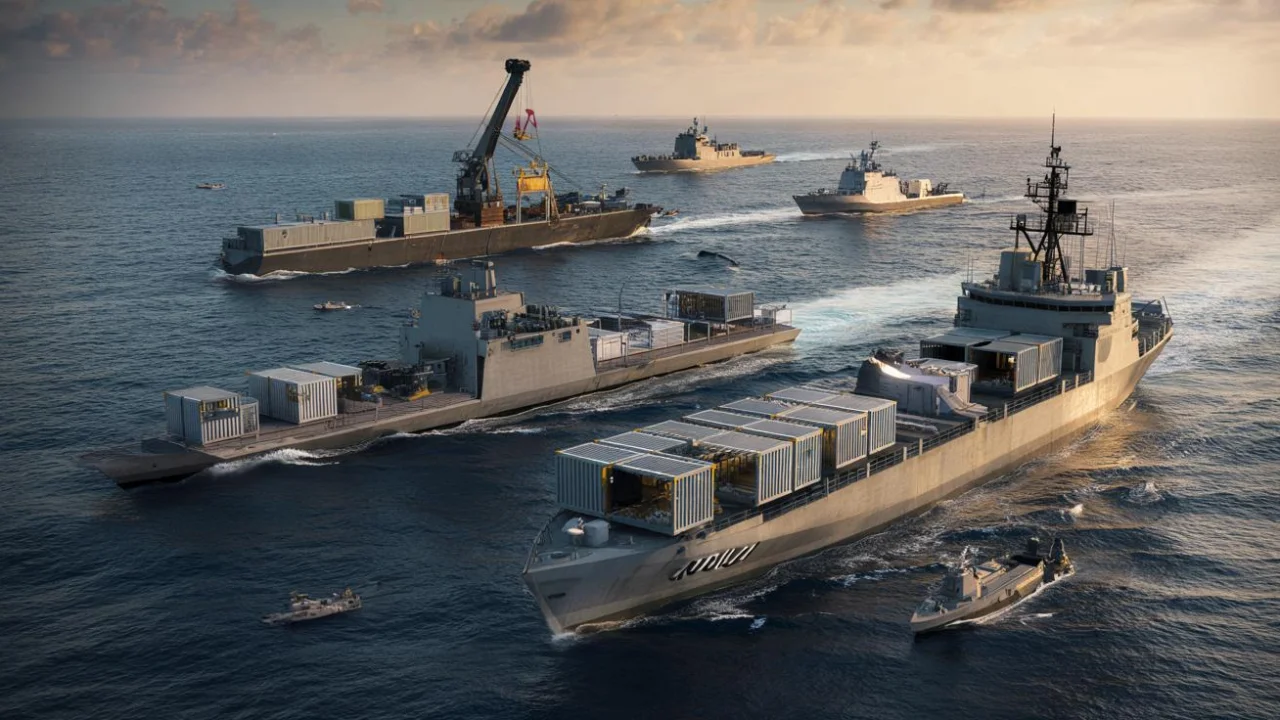
Captain Sarah Martinez still remembers the moment everything clicked. Standing on the deck of a Navy destroyer, she watched crew members effortlessly swap out a missile container for a drone launch system in just four hours. “It was like watching my kid build with Legos,” she told her commanding officer that day. “Except these Legos can change the course of a naval battle.”
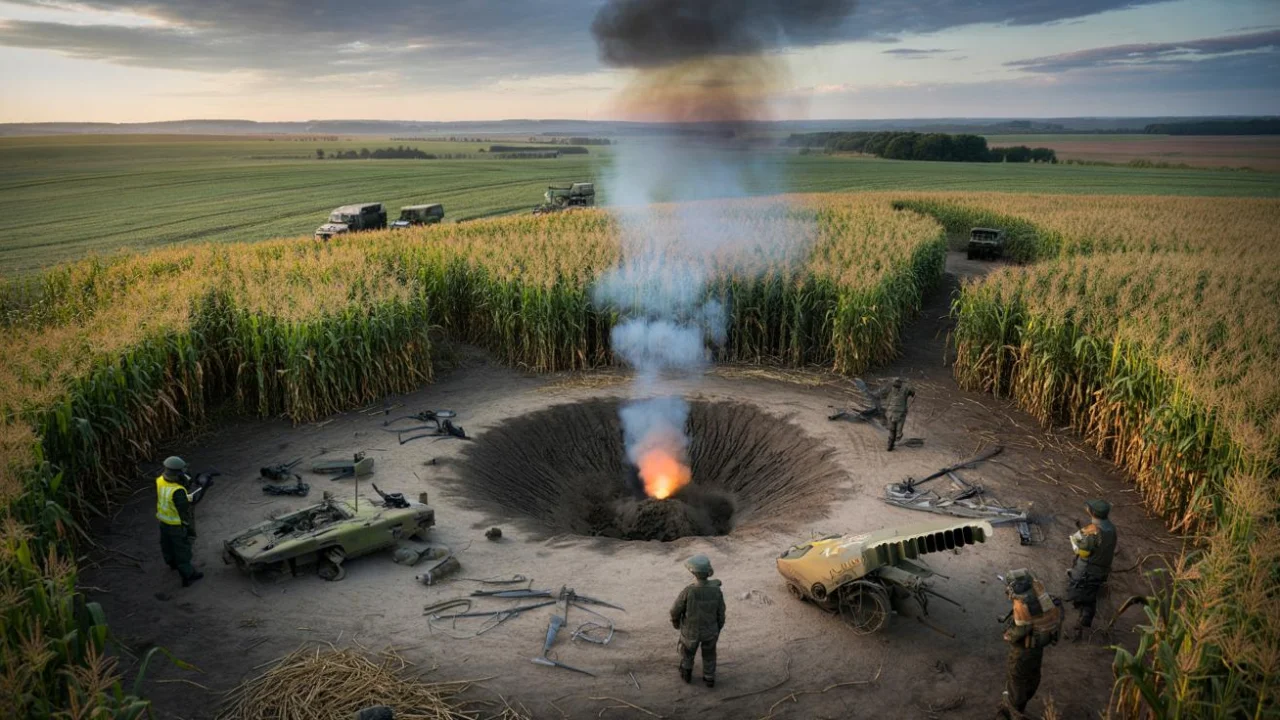
That conversation happened two years ago. Today, Martinez commands one of the Navy’s first fully modular warships, where weapons systems snap in and out like building blocks. What seemed impossible just a decade ago is now reshaping how the world’s most powerful navies think about combat.
The revolution isn’t just American. From the North Sea to the Mediterranean, naval commanders are embracing what experts call “naval modularity” – the ability to reconfigure a warship’s capabilities within hours instead of years. It’s a fundamental shift that could determine which nations control the seas in the coming decades.
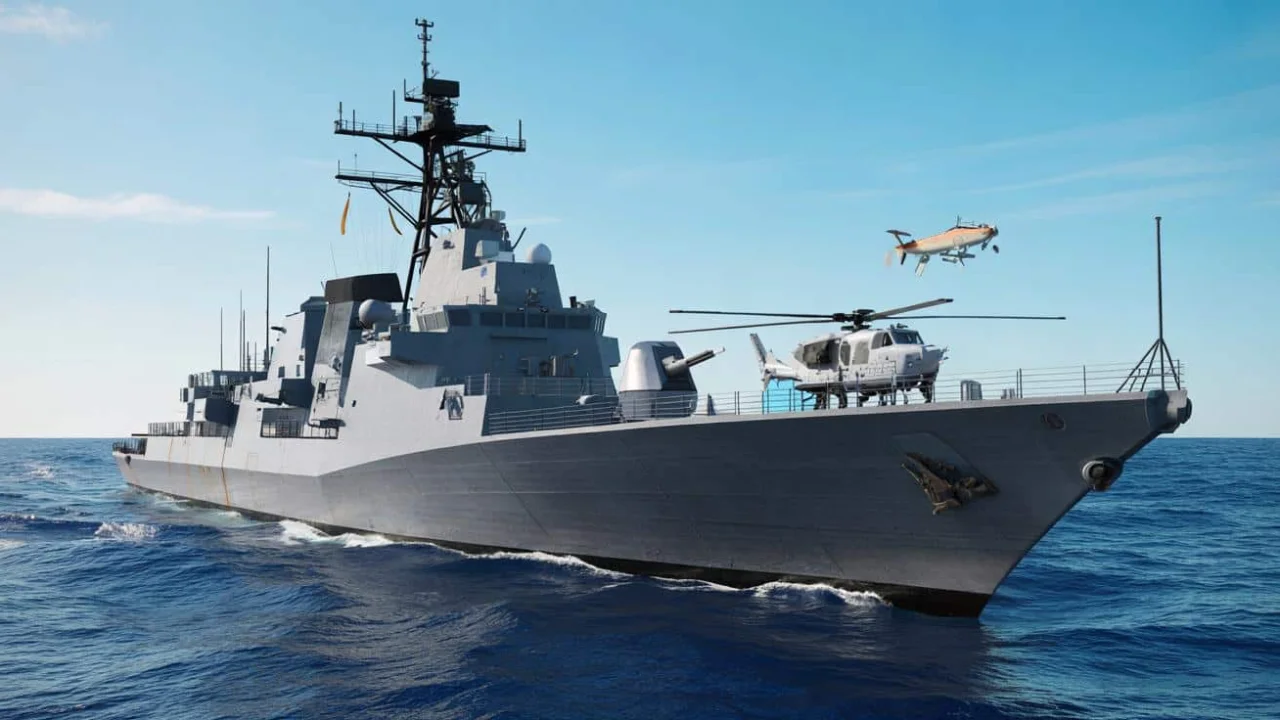
Why Navies Are Ditching the Old Playbook
For thirty years, building a warship followed a simple formula. Engineers designed the hull, installed permanent weapons systems, and called it finished. Those ships would sail with the same capabilities for their entire 25-year lifespan, whether they faced pirates or hypersonic missiles.
That approach just broke. Modern threats evolve faster than smartphone apps, while naval budgets shrink and construction times stretch longer. A destroyer that begins construction today won’t hit the water until 2030, carrying 2024 technology into battles against 2050 weapons.
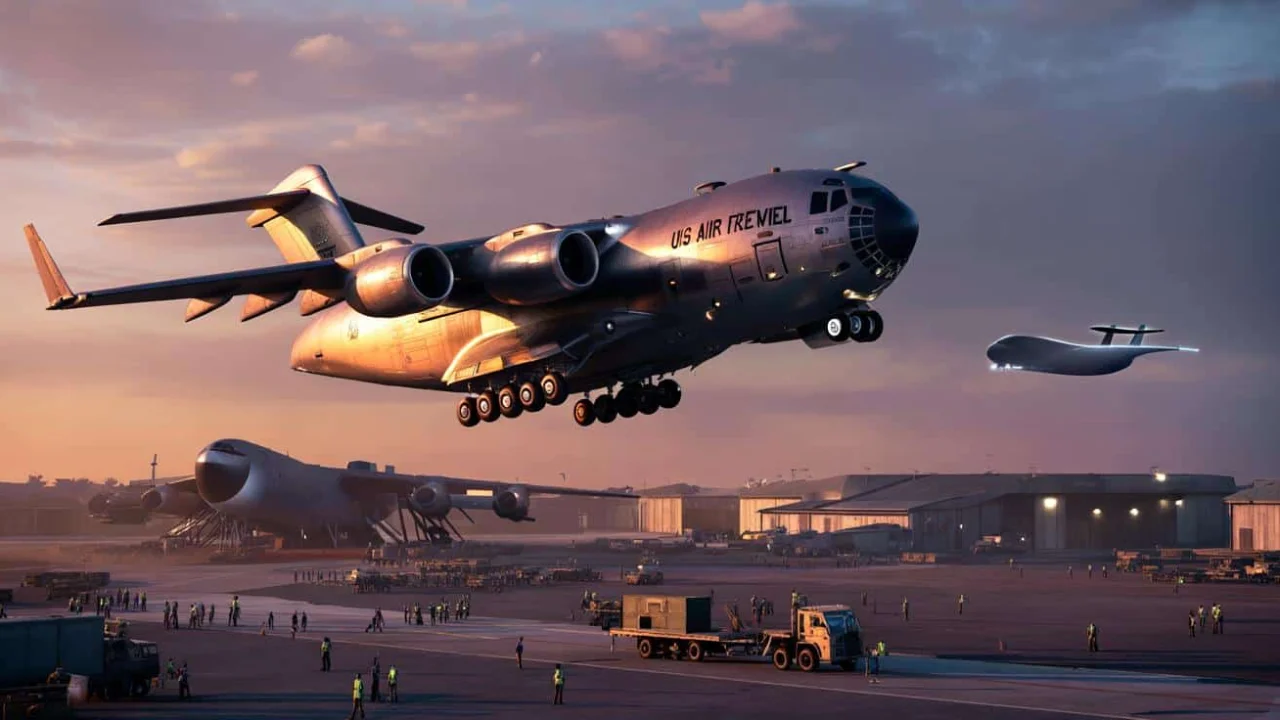
“We’re not building ships anymore – we’re building floating platforms that can adapt to any mission,” explains Admiral James Harrison, who oversees the Navy’s modular ship program. “Think of it as the difference between a landline phone and an iPhone. One does one thing forever. The other gets better with every update.”
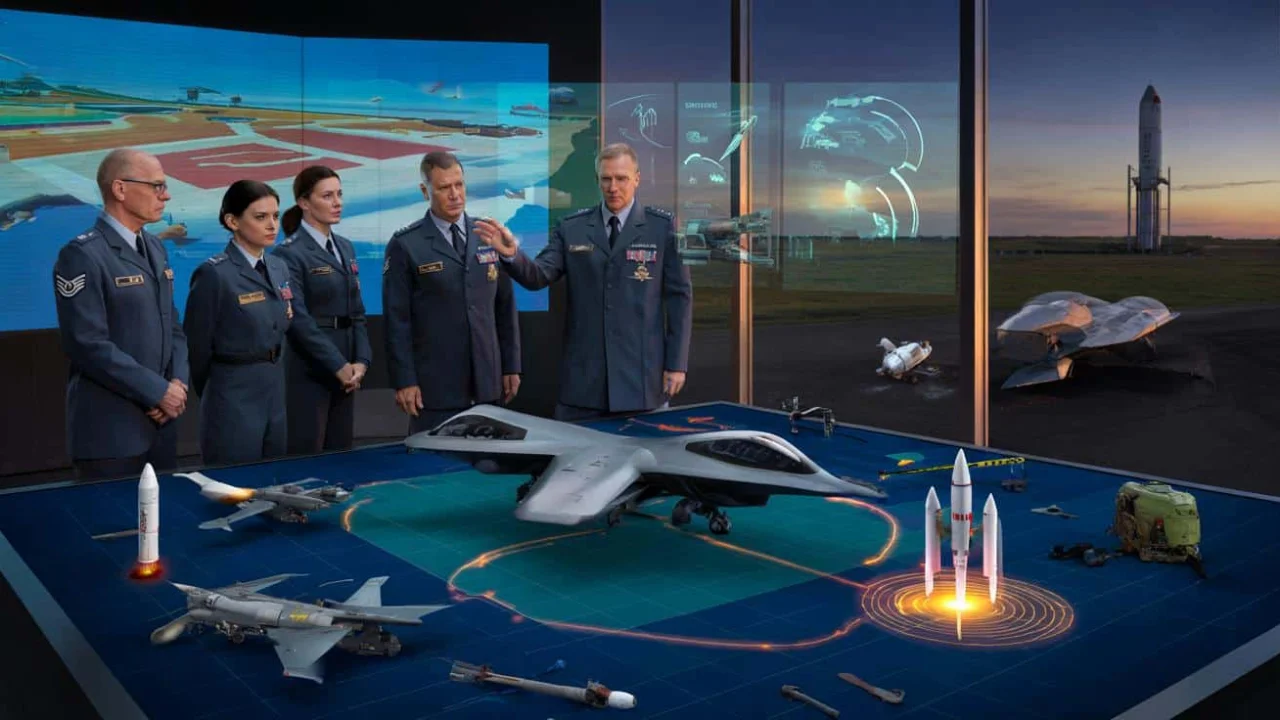
The concept works through standardized containers and universal connection points. Ships receive reinforced deck spaces, standardized power systems, and plug-and-play data networks. Different mission packages – from anti-submarine warfare to humanitarian aid – fit into identical container formats.
What Naval Modularity Looks Like in Action
The technical details might sound abstract, but the real-world applications are remarkable. Here’s how different navies are implementing modular systems:
| Navy | Modular System | Key Features | Timeline |
|---|---|---|---|
| US Navy | Mission Package System | 20-foot containers, 4-hour swap time | Active deployment |
| Royal Navy | FlexDeck Platform | Crane-loadable modules, 6-hour configuration | Testing phase |
| Italian Navy | FREMM Modularity | Multi-role containers, 8-hour turnaround | Operational |
| Dutch Navy | Smart Ship Initiative | AI-optimized loading, 3-hour swap | Development |
The possibilities extend far beyond swapping missiles. Modern modular containers can house:

- Advanced radar systems that track hypersonic weapons
- Drone swarms for reconnaissance or attack missions
- Cyber warfare equipment for digital battlefields
- Medical facilities that transform destroyers into floating hospitals
- Environmental monitoring gear for climate research
- Humanitarian aid supplies and water purification systems
“Last month, we reconfigured our ship from anti-piracy patrol to disaster relief in six hours,” notes Commander Elena Rossi of the Italian Navy. “We pulled out the boarding equipment, loaded humanitarian containers, and sailed to help earthquake victims. Try doing that with a traditional warship.”
The Challenges That Keep Admirals Awake at Night
Naval modularity sounds perfect in theory, but reality brings complications that would make any engineer nervous. Weight distribution becomes critical when you’re constantly changing what’s bolted to your deck. A ship balanced for anti-aircraft missiles might list dangerously with heavy sonar equipment.
Power management presents another headache. Different weapons systems demand different amounts of electricity, cooling, and computing power. Ships need oversized generators and cooling systems to handle worst-case scenarios, driving up construction costs.
Then there’s the human factor. Sailors need training on dozens of different systems instead of mastering one set of weapons. Maintenance becomes exponentially more complex when your ship can carry fifty different types of equipment.
“We’re asking our crews to become technical wizards,” admits Captain David Thompson, who runs modular training programs. “It’s like expecting a race car driver to also be a master mechanic, electronics expert, and tactical genius.”
Cost concerns also loom large. While modular systems promise long-term savings, the upfront investment is enormous. Ships need reinforced structures, universal power systems, and sophisticated software. The Navy estimates modular destroyers cost 15-20% more initially, though they save money over their lifetime.
How This Changes Everything About Naval Power
The implications extend far beyond military circles. Countries with advanced modular navies could dominate maritime trade routes, disaster response, and international diplomacy. A single ship might patrol for pirates in the morning, intercept smugglers at noon, and provide hurricane relief by evening.
Smaller nations gain the most. Instead of buying separate ships for different missions, they can operate one vessel that adapts to any threat. Denmark’s navy, for example, uses modular frigates that switch between Arctic patrol, refugee rescue, and anti-terrorism operations based on seasonal needs.
The technology also democratizes naval innovation. Software companies, drone manufacturers, and cybersecurity firms can now build naval weapons without understanding shipbuilding. As long as their product fits standard containers and connections, any ship can use it.
This creates a marketplace for naval capabilities that didn’t exist before. Countries can lease advanced weapons systems for specific missions instead of buying them permanently. A nation facing a temporary threat might rent anti-missile defenses for six months, then switch to patrol drones when the crisis passes.
Global shipping companies are watching closely too. Modular container ships could carry cargo one day and serve as floating airports for drone deliveries the next. The same vessel might haul grain to Africa and provide communication services to remote islands on the return trip.
“We’re not just changing how we fight,” explains naval analyst Dr. Rebecca Chen. “We’re changing what it means to own and operate ships. In ten years, buying a warship might be like subscribing to Netflix – you get the platform, then choose which capabilities you want to download.”
FAQs
How long does it take to swap modular systems on a warship?
Most modern systems can be swapped in 3-8 hours, depending on complexity and crew experience.
Are modular warships more expensive than traditional ones?
Initial construction costs are 15-20% higher, but lifetime costs are lower due to upgrade flexibility and extended service life.
Can modular ships handle the same missions as traditional warships?
Yes, and often better. Modular ships can be optimized for specific missions rather than carrying all capabilities all the time.
Which countries are leading in naval modularity?
The United States, Netherlands, Italy, and United Kingdom are the primary developers, with other NATO allies rapidly adopting the technology.
How does naval modularity affect ship crew requirements?
Crews need broader technical training but ships can operate with smaller specialized teams since not all systems are active simultaneously.
Will traditional warships become obsolete?
Existing ships will remain in service for decades, but new construction increasingly favors modular designs for their operational flexibility.
About the Author