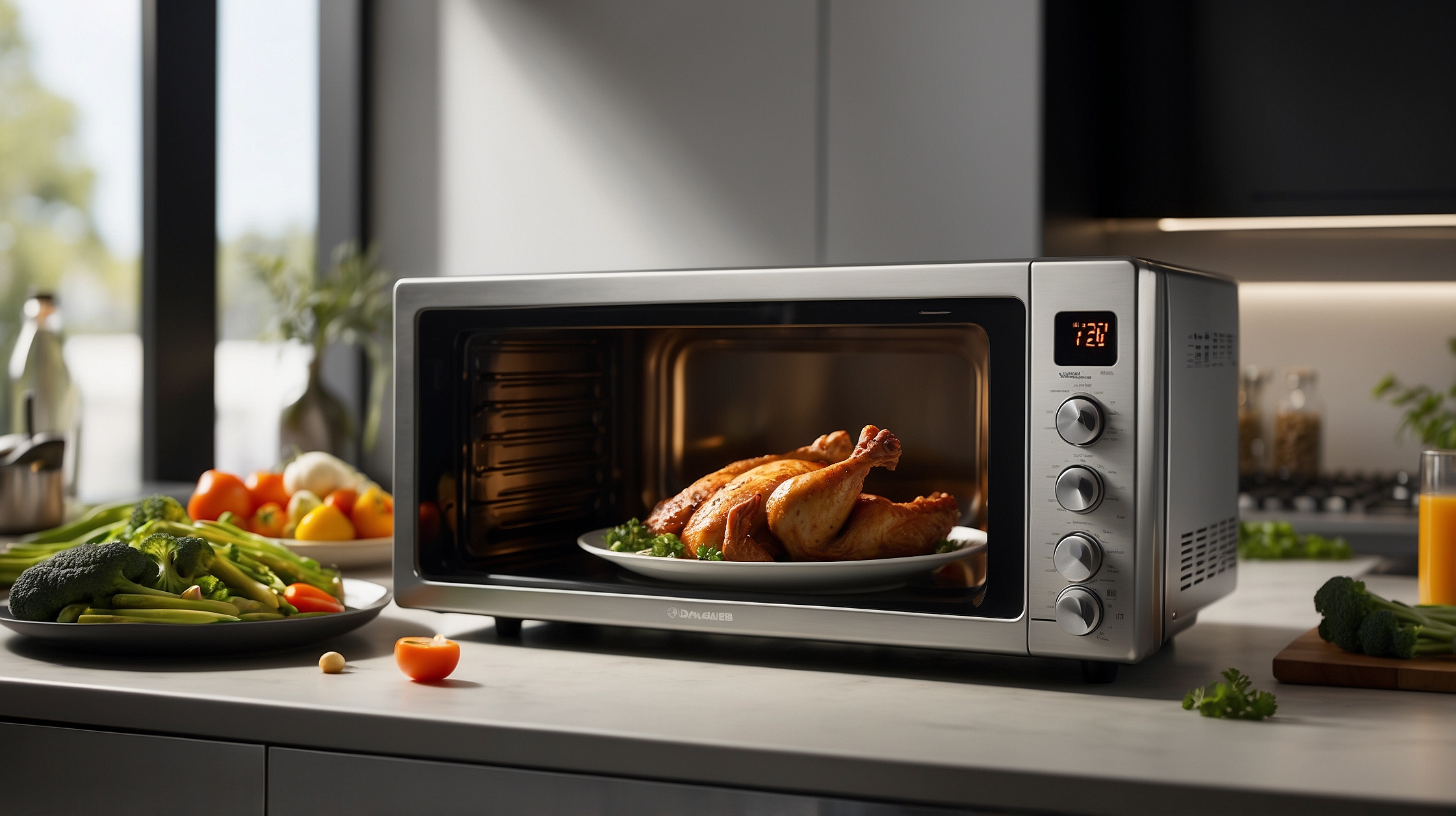
As modern kitchens evolve, homeowners and renters alike are increasingly exploring alternatives to the traditional microwave. Once considered a cornerstone of convenience, the microwave now faces scrutiny over its limitations — both in terms of functionality and in how well it aligns with today’s energy-aware, health-conscious lifestyle. In response, a wave of microwave replacement devices has emerged, claiming to better preserve food texture, flavor, and nutritional value, while matching or even surpassing the speed of microwave heating.

From smart ovens to air fryers and convection cookers, these devices promise faster, healthier, and more energy-efficient cooking. But are these alternatives truly ready to dethrone the microwave? While some impress with their performance and versatility, others fall short in convenience and cost-effectiveness. As consumers look to make informed choices about their appliances, it’s worth taking a closer look at both the strengths and weaknesses of this trend.
Microwave replacement devices at a glance
| Device Type | Main Benefit | Primary Limitation |
|---|---|---|
| Smart Oven | Multi-functionality and precise cooking | High price tag |
| Air Fryer | Healthier crisping and rapid reheating | Limited interior space |
| Convection Oven | Even heating and baking capabilities | Longer preheat and cook times |
| Steam Oven | Moisture retention and nutrition preservation | Higher cost and learning curve |
| Induction Cooktop | Fast, energy-efficient heating | Requires compatible cookware |
Why people are ditching their microwaves
The microwave, once hailed as the ultimate time-saver, is now seen by many as a kitchen compromise. Concerns include uneven reheating, texture loss in foods, and the potential for nutrient degradation. Additionally, as meal kits, plant-based diets, and home automation increasingly set the tone for kitchen culture, consumers expect more from their appliances. They want devices that are smarter, more sustainable, and able to replicate restaurant-quality results.

Consumer surveys show a notable shift toward appliances that provide more control over cooking. This includes real-time temperature tracking, built-in sensors, and app-based programming. In many households, reheating isn’t enough. The ability to roast, bake, crisp, and steam — often simultaneously — is rapidly becoming non-negotiable.
“We’re seeing a transformation in what people expect from countertop appliances. Precision, versatility, and design now drive purchasing decisions.”
— Jenna Michaels, Kitchen Tech AnalystAlso Read IRS offer in compromise could slash your tax debt by thousands if you meet these hidden criteria
Devices that deliver beyond expectations
Some microwave alternatives are undeniably impressive in how they balance convenience with culinary excellence. The smart oven, in particular, has gained popularity for its ability to scan barcodes, adjust cooking settings automatically, and shift between modes like roasting, baking, and broiling.

Air fryers, once a niche item, now dominate the small appliance market thanks to their fast crisping abilities and minimal oil usage. Convection ovens perform better than microwaves for anyone who values evenly heated leftovers or crispy bread. Meanwhile, steam ovens offer unmatched moisture retention — ideal for fish, vegetables, and bakery-quality bread.
Induction cooktops deserve a mention as well. While not designed for reheating, they provide a low-profile, energy-efficient platform for cooking and boiling at incredible speed. Combined with smart pans and integrated timers, they deliver more intelligent cooking than a simple microwave ever could.

Where they still fall short
Despite these advantages, microwave replacements are not without their drawbacks. Cost is a significant barrier. While microwaves can be acquired for under $100, many of their replacements range from $200 to over $1,000. That’s a steep investment for average users, especially if the primary goal is simply to reheat leftovers.
Speed is another issue. While smart ovens and convection ovens offer excellent results, few can match the ultra-fast heating time of a microwave. That 30-second popcorn or reheated coffee remains unmatched in efficiency, leading many to keep their microwaves for sheer immediacy.
Space is also a concern. Devices like air fryers and steam ovens are often larger and less stackable, challenging for apartment dwellers or households with limited counter real estate.
“The microwave earned its spot in the kitchen by combining convenience and speed better than anything else. No alternative fully replicates that balance — at least not yet.”
— Thomas Reid, Appliance Engineer
Winners and losers in the shift away from microwaves
| Winner | Reason |
|---|---|
| Air Fryer | Combines rapid cooking with healthier outcomes |
| Smart Oven | Delivers precision and versatility |
| Steam Oven | Superior retention of texture and nutrients |
| Loser | Reason |
| Traditional Microwave | Falling short on nutrition and food quality |
| Mini Convection Ovens | Too slow and bulky for daily reheat use |
What consumers should consider before replacing a microwave
Before ditching the microwave, consumers should reflect on their daily needs: Are you primarily reheating coffee and leftovers? Then a microwave might still be your best bet. But if you’re meal-prepping multiple dishes, seeking restaurant-level textures, or following specialized diets like paleo or keto, a multifunction smart oven or air fryer could significantly enhance your kitchen experience.
Budget is key — although higher upfront costs might pay off through energy savings and improved food quality. Space limitations may also call for devices that combine multiple functions rather than standalone units. Lastly, the learning curve matters. Smart devices offer more control but require some familiarity with tech interfaces and cooking times.
What’s next in cooking technology
The future of microwave replacements looks promising. Manufacturers are already testing hybrid devices combining air fry, steam, infrared, and microwave technologies into compact units. These innovations aim to strike a balance between speed, quality, and control, making the microwave’s one-dimensional heat pulse increasingly obsolete.
Moreover, integration with app ecosystems and voice assistants continues to reshape expectations. Recipes downloaded and prepared with near-certainty, food scanned and auto-tuned for time and temp — the intelligent kitchen is no longer a vision, it’s arriving fast.
“In five years, kitchens will feature minimal single-function devices. Efficiency and multi-utility are shaping every design decision.”
— Rachel Tao, Product Strategist, Kitchenware Co.
Short FAQs on microwave replacement devices
Are smart ovens better than microwaves for reheating?
Yes, smart ovens offer more even and precise heating compared to traditional microwaves, though they may take slightly longer to warm food.
Do air fryers completely replace microwaves?
No, air fryers excel at crisping and small-batch reheating, but they can’t match the speed of microwaves for all food types.
Are microwave alternatives more energy-efficient?
Generally yes, especially induction cooktops and air fryers, which use less energy for similar or better cooking outcomes.
Is there a single device that replaces all functions of a microwave?
Not currently. However, some hybrid smart ovens come close by combining convection, infrared, air fry, and steam technologies.
Why are steam ovens gaining popularity?
Steam ovens better retain nutrients and moisture in food, making them an attractive choice for health-conscious consumers.
Can I use an induction cooktop to reheat food like a microwave?
You can reheat food, but it requires pots and pans — and it’s not as quick or convenient as microwaving.
Are microwave health concerns valid?
Microwaves are generally safe, but uneven reheating and potential nutrient degradation are concerns for some users.
What is the most space-efficient microwave alternative?
A compact air fryer or a countertop smart oven offers space-conscious options that still provide broad functionality.
About the Author