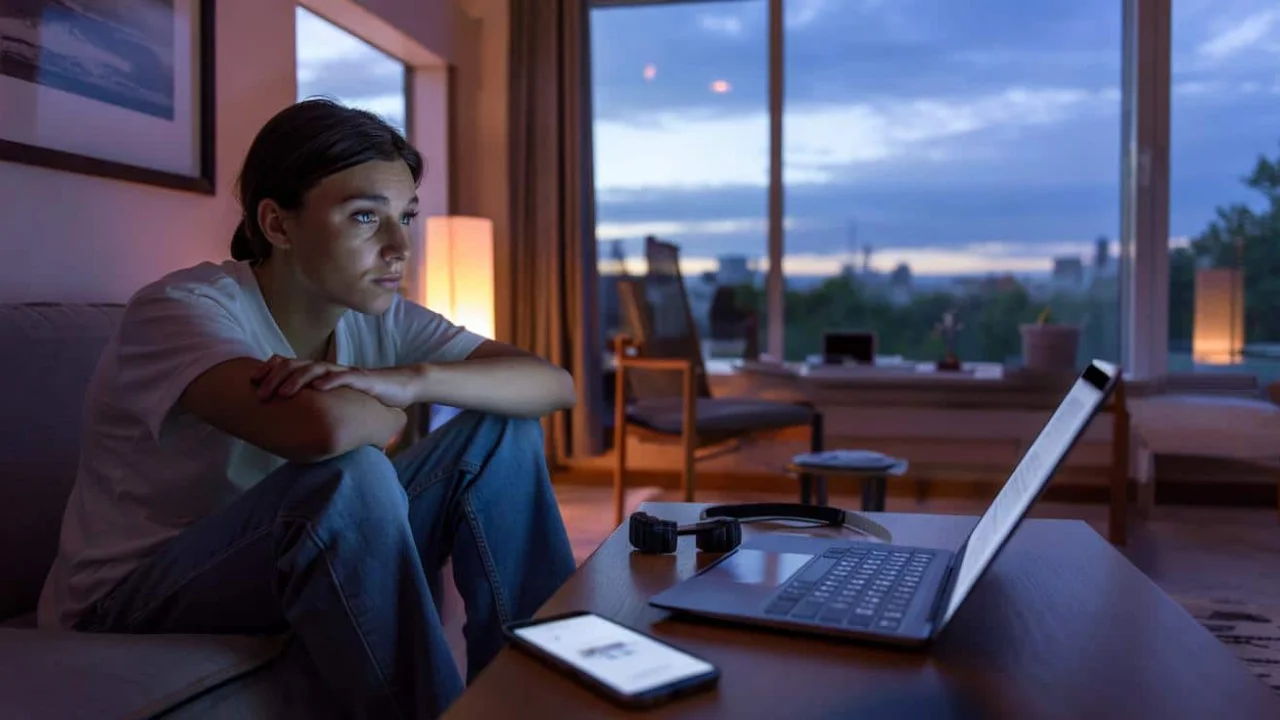
Sarah stared at her laptop screen, the cursor blinking mockingly in the middle of an unfinished email. She’d been sitting there for twenty minutes, but every time she tried to focus, her mind wandered to the three other tasks waiting, the text from her mom, and that nagging feeling she’d forgotten something important. Her brain felt like a overstuffed suitcase – everything crammed in, nothing fitting properly.

Sound familiar? You’re scrolling through your phone for the hundredth time today, telling yourself you’re taking a break. But instead of feeling refreshed, you feel more scattered. Your thoughts bounce around like ping pong balls, and simple decisions feel impossibly heavy. That mental fog isn’t laziness – it’s your brain waving a white flag.
Welcome to mental saturation, where your mind hits capacity and starts rejecting new information like a full hard drive. Psychology tells us that sometimes the cure isn’t more stimulation – it’s the complete opposite.
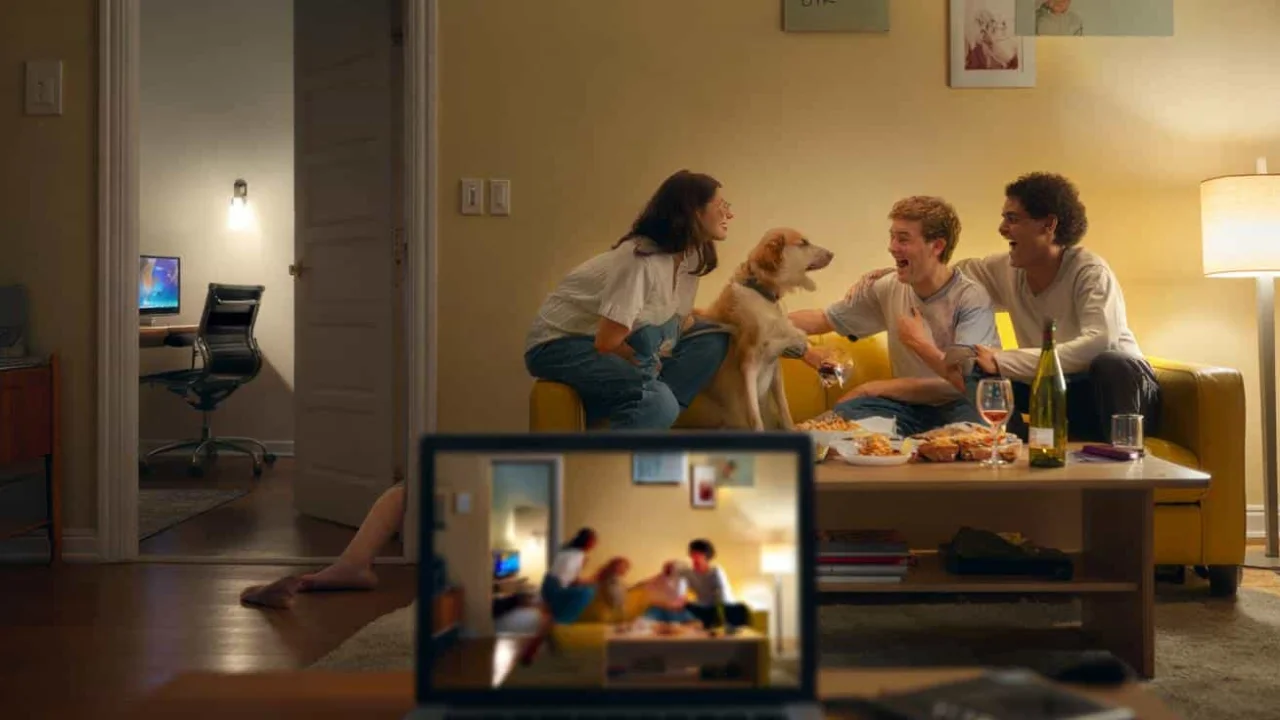
When Your Brain Hits the Mental Saturation Point
Mental saturation happens when your cognitive resources are completely maxed out. Think of your brain like a computer processor trying to run too many programs at once. Everything slows down, crashes, or simply refuses to work.
Dr. Adam Gazzaley, a neuroscientist at UC San Francisco, explains it perfectly: “Our brains evolved to focus on one thing at a time, but modern life demands we juggle dozens of inputs simultaneously. Eventually, the system overloads.”

The signs are unmistakable. You read the same paragraph three times without absorbing a word. You forget what you walked into a room to get. A simple “How was your day?” question makes you want to hide under a blanket. Your body might be still, but your mind is running a marathon.
This isn’t about being weak or unfocused. Your nervous system has been pinged, buzzed, and alerted so many times that it’s essentially short-circuiting. Even choosing what to eat for lunch feels like solving calculus.

The cruel irony? When we feel mentally full, we often reach for distractions that make everything worse. We scroll social media, binge Netflix, or dive into YouTube rabbit holes, thinking we’re giving our brains a break. But we’re actually feeding the fire.
The Science Behind Why Space Beats Distraction
Here’s what happens in your brain when you hit mental saturation versus when you give it actual space to breathe:

| Mental Saturation State | Mental Space State |
|---|---|
| Working memory overloaded | Working memory can process and file information |
| Stress hormones elevated | Stress hormones naturally decrease |
| Default mode network disrupted | Default mode network can restore and integrate |
| Attention fragmented | Attention can consolidate and reset |
Your brain’s “default mode network” is crucial here. This network activates when you’re not focused on specific tasks – it’s your mental housekeeping system. It processes emotions, consolidates memories, and makes sense of your day. But constant stimulation keeps this system from doing its job.
“Think of mental space like sleep for your conscious mind,” says Dr. Mary Alvord, a psychologist specializing in stress and anxiety. “Just as your body needs rest to repair itself, your brain needs unstimulated time to organize and reset.”
The key differences between distraction and space:
- Distraction adds more input while your brain is already overwhelmed
- Space allows your mind to process existing information
- Distraction provides temporary relief but increases long-term mental clutter
- Space might feel uncomfortable initially but leads to genuine clarity
- Distraction keeps you in a reactive state
- Space helps you return to a responsive state
How Mental Saturation Shows Up in Real Life
Mental saturation doesn’t just affect productivity – it seeps into every corner of your life. You snap at people you love over minor things. Decision fatigue makes choosing between two restaurants feel overwhelming. You start projects but can’t finish them because your attention splinters in twelve directions.
Consider Marcus, a marketing manager who came home after a day of back-to-back Zoom calls, Slack notifications, and email fires to put out. Instead of talking to his partner, he immediately opened Netflix. Three hours later, he’d watched half a season of a show he didn’t even enjoy, felt guilty about wasting time, and still had that jittery, unsettled feeling in his chest.
The problem wasn’t that Marcus needed entertainment – he needed his brain to stop processing for a while. But entertainment is still processing. It’s still input. It’s like trying to empty a bathtub while the faucet is running full blast.
Research from Microsoft found that the average human attention span has dropped from 12 seconds in 2000 to 8 seconds in 2021. We’re not getting worse at focusing – we’re drowning in stimulation. Our brains are constantly in “receiving mode” with no time to shift into “processing mode.”
“Mental space isn’t about doing nothing,” explains Dr. Daniel Siegel, psychiatrist and author. “It’s about giving your mind permission to organize itself without external demands. That’s when real restoration happens.”
This affects everyone differently. Some people become irritable and snappy. Others shut down completely, feeling numb or disconnected. Many experience that weird combination of exhaustion and restlessness – tired but unable to truly relax.
The solution isn’t a complete digital detox or moving to a cabin in the woods. It’s about creating intentional pockets of mental emptiness throughout your day. This might mean:
- Sitting in your car for five minutes before going into work or coming home
- Taking a shower without planning your day or rehearsing conversations
- Walking without podcasts, music, or phone calls
- Eating a meal without screens or reading material
- Lying in bed for a few minutes before reaching for your phone
The goal isn’t meditation or mindfulness – though those can help. The goal is simply reducing input so your brain can catch up with itself. Think of it as allowing your mental inbox to empty instead of constantly adding new messages.
Creating Space in an Overstimulated World
Here’s the counterintuitive truth: mental space often feels boring or uncomfortable at first. We’re so accustomed to constant stimulation that silence can feel wrong. Your mind might race initially, trying to fill the void with worry or planning. That’s normal. You’re not doing it wrong.
Dr. Jennifer Aaker from Stanford suggests starting small: “Even two minutes of true mental space can begin the reset process. Your brain needs permission to be unstimulated, and that permission starts with tiny moments.”
The difference between healthy mental space and just sitting with your problems is intention. Space isn’t about solving or analyzing anything. It’s about letting your mind exist without agenda. Problems might surface, but you’re not trying to fix them in the moment. You’re just allowing them to be there without immediately reaching for distraction.
Some people find this easier with gentle, repetitive activities that don’t require much thought – folding laundry, washing dishes, or gentle stretching. The key is activities that occupy your hands but leave your mind relatively free.
Remember: your brain isn’t broken when it feels full. It’s working exactly as designed – it just needs space to do what it does best. In a world that profits from your constant attention, choosing mental emptiness is actually a radical act of self-care.
FAQs
How do I know if I need mental space versus actual rest?
Physical tiredness improves with sleep, while mental saturation makes you feel scattered even after sleeping well. If you’re exhausted but your mind won’t stop racing, you likely need space more than sleep.
How long should I spend creating mental space each day?
Start with just 5-10 minutes of unstimulated time. Even brief moments throughout the day can help – like taking three deep breaths before checking your phone or sitting quietly for a minute after arriving somewhere.
What’s the difference between mental space and meditation?
Meditation often involves specific techniques or focus points. Mental space is simply allowing your mind to exist without input or agenda – no rules, no “right” way to do it.
Why does mental space feel uncomfortable at first?
We’re conditioned to constant stimulation. When that stops, suppressed thoughts or emotions might surface, which can feel unsettling. This is normal and usually improves with practice.
Can I create mental space while doing other activities?
Yes, as long as the activity doesn’t require much mental effort. Walking, gentle cleaning, or shower time can provide space if you’re not multitasking or problem-solving during them.
How is this different from just being bored?
Boredom often involves wanting stimulation but not having access to it. Mental space is consciously choosing to reduce input, even when stimulation is available. It’s intentional rather than circumstantial.
About the Author