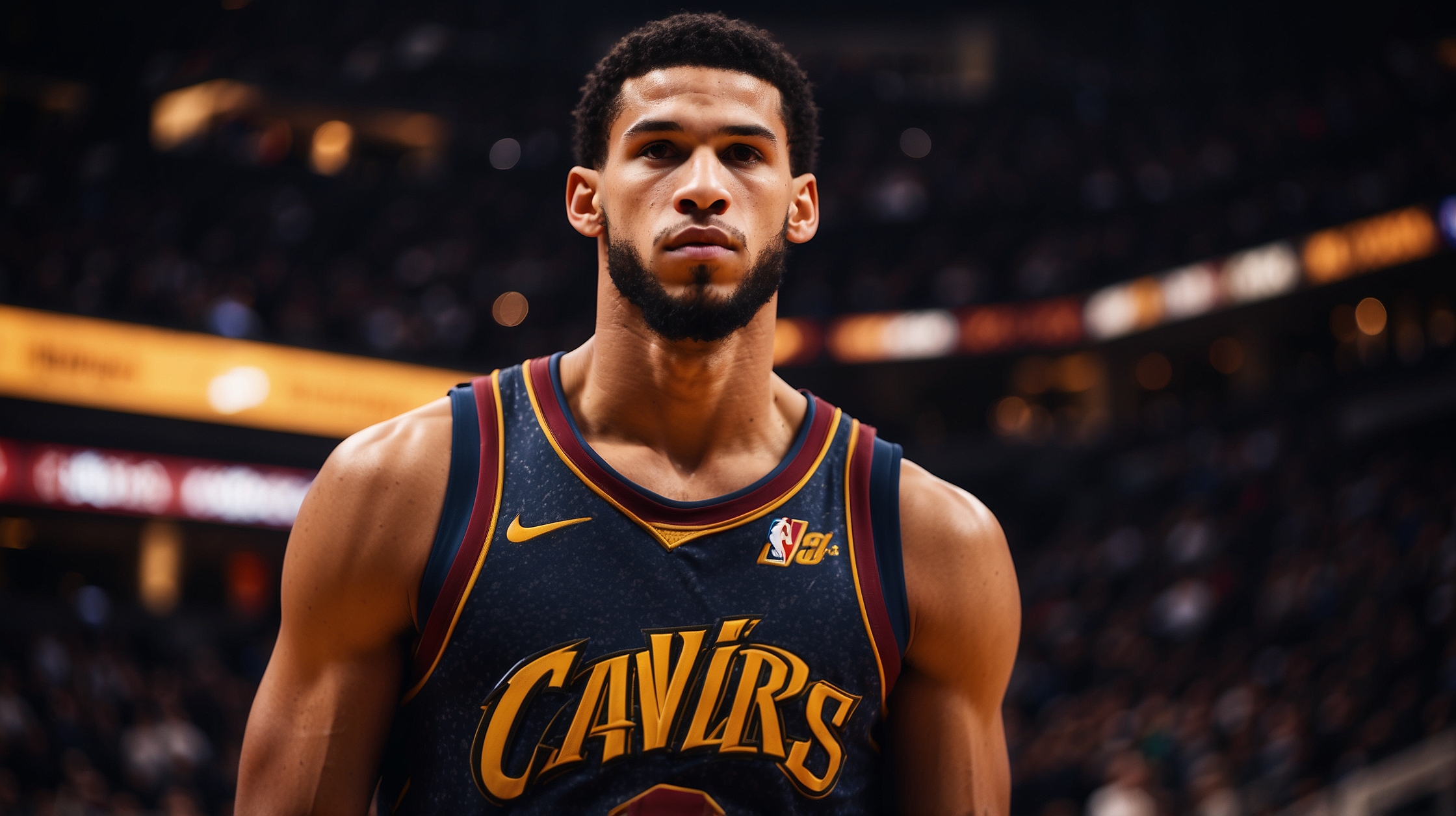

As the NBA offseason approaches, trade rumors are swirling once again, and one intriguing scenario involves former No. 2 overall pick **Lonzo Ball** possibly being on the move to the Cleveland Cavaliers. What makes this potential deal compelling isn’t just Ball’s status as a once highly-touted point guard, but how this proposed three-team trade involving the Utah Jazz could address multiple team needs simultaneously. With Cleveland looking to bolster their point guard rotation and the Jazz navigating a rebuild, the framework for a blockbuster deal is emerging that could reshape each team’s trajectory significantly.

While Ball has faced injury setbacks—most notably multiple surgeries on his knee—he remains a tantalizing talent when healthy. The Cavaliers, needing better perimeter facilitation and on-ball defense, could benefit immensely from Ball’s skill set. Meanwhile, the Jazz could leverage salary maneuvering and draft capital accumulation to continue refining their youthful core. As speculative trade talks ramp up, analyzing how a transaction featuring Ball could unfold, and why it benefits the involved franchises, becomes more important than ever.
Overview of the Potential Lonzo Ball Trade
| Player Involved | Primary Teams | Reason It’s Viable | Current Status |
|---|---|---|---|
| Lonzo Ball | Cavaliers, Jazz, Bulls (implicated) | Cavs need point guard; Bulls may look to offload injury risk; Jazz can facilitate | Injury recovery, no timetable for return |
| Draft Picks/Cash Considerations | Jazz, Bulls | Asset accumulation for rebuilding purposes | Presumed part of trade package |
| Cap Flexibility | All teams | All sides could balance salary obligations | Under review with NBA CBA mechanics |
Why the Cavaliers are targeting Lonzo Ball
The Cavaliers have enjoyed a period of growth since LeBron James’ departure, with a young roster anchored around Darius Garland, Evan Mobley, and Jarrett Allen. However, the glaring issue remains: **on-court leadership and perimeter defense**. While Garland is an excellent scorer and facilitator, Cleveland has lacked a true floor general capable of setting the pace and anchoring the backcourt defensively. That’s where Lonzo Ball presents a solution.

Ball’s ability to push tempo, make smart decisions, and defend multiple positions could pair well with Garland, especially if Ball’s health returns close to his pre-injury form. He’s not a volume scorer, but what he brings in terms of awareness and flow could unlock Cleveland’s dormant transition game and elevate their playoff ambitions in the Eastern Conference.
How the Utah Jazz enable this potential trade
The benefit for the Utah Jazz lies in leveraging their cap space and flexibility. With Danny Ainge at the helm, Utah has already shown a knack for resourceful asset management—moving Donovan Mitchell and Rudy Gobert for enormous returns while prioritizing youth development. Acting as the third team in a Lonzo Ball transaction would allow Utah to gain draft picks or minor veteran assets while absorbing expiring contracts or unwanted salary for long-term upside.

This isn’t a new tactic—teams in different phases of contention routinely insert themselves into deals where they can take on risk in exchange for rewards down the line. Utah, in this sense, could very well be the glue team that makes the Ball-to-Cavs idea more than just speculation.
What Chicago gains by moving on from Lonzo Ball
It’s a harsh reality for Chicago: despite the optimism when Ball first joined the Bulls, injury challenges have robbed him of meaningful court time. He hasn’t played since January 2022 due to chronic knee issues, and there’s a growing possibility he may never reclaim his prior form. Ball has a player option for 2024–25, and while he’s likely to exercise it, this could be the final chance for the Bulls to extract value from the situation.

Trading Ball now—even if it means attaching picks or negotiating lesser returns—could symbolize a move toward financial clarity and renewed focus on Zach LaVine and DeMar DeRozan’s windows. Shedding long-term injury-related uncertainty could be just what the Bulls need, especially with a pivotal off-season looming.
Why Ball’s injury status complicates and enables deals
No discussion about Ball is complete without acknowledging the medical risks. Multiple reports suggest his knee is not progressing at the desired pace. This complicates any trade framework—not just from a roster perspective but a financial liability standpoint. Teams need to weigh dead cap risk vs. long-term strategic upside.
That said, because Ball’s current value is diminished, trade partners might be able to acquire him in a discount package that includes financial incentives or draft sweeteners. For rebuilding squads or deep playoff contenders with depth at guard, taking the risk could be worthwhile. Ultimately, his contract has flipped from cornerstone-level to *high-risk, high-upside* asset—perfect for creative general managers looking to get ahead of the next breakout reclamation story.
Winners and losers if a trade goes through
| Winners | Reason |
|---|---|
| Cleveland Cavaliers | Fill void at PG, improve team IQ & defense |
| Jazz | Pick up assets for facilitating deal |
| Lonzo Ball | Gets a fresh start in a system that suits his game |
| Losers | Reason |
|---|---|
| Chicago Bulls | Lower return for former foundational player |
| Bulls Fans | Never saw Ball delivered on his initial promise for Chicago |
What an ideal trade package could look like
Constructing a viable three-team trade means navigating player salaries, matching expiring deals, and adding incentives. A possible version could involve the Cavaliers sending out margins pieces like Ricky Rubio and picks, Utah sending back a salary-like Kelly Olynyk or Talen Horton-Tucker, and Chicago relinquishing Ball along with a future second-round pick. The specifics will vary, but the underlying structure hinges on balancing need with value and long-term stability.
With CBA changes tightening team-building limits, such triangulated deals may soon become even more vital for building championship-level rosters while avoiding luxury tax death traps. In this sense, Ball’s uncertain but intriguing profile becomes the unlikely centerpiece of a money-savvy NBA chess game.
Expert insights on the trade dynamics
This kind of deal allows three teams to satisfy opposite goals: Cleveland upgrades talent, Utah gains future assets, and Chicago clears a medical red flag.
— NBA Front Office Analyst
Ball’s fit in Cleveland’s system would be fascinating—with his defensive IQ and fast-break vision, he could thrive next to Garland.
— Former NBA Scout
Utah’s flexibility allows them to be the connective tissue in these deals that contenders can’t make alone, especially under cap constraints.
— Western Conference GM (quoted anonymously)
Short FAQs on the Lonzo Ball to Cavs trade rumor
Is Lonzo Ball healthy enough to play?
Ball is still recovering from knee surgery, with no confirmed return date. His health remains the biggest variable in any trade.
Why would the Cavaliers take a chance on Ball?
They need a true two-way point guard and believe Ball’s upside—if healthy—is worth the risk, especially if the trade cost is low.
What would the Jazz gain from this trade?
The Jazz could acquire draft picks or low-cost players just for facilitating, helping them in the long-term rebuild process.
Why are the Bulls willing to move Ball?
Chicago may prefer financial clarity over continued uncertainty with Ball’s injury status and could shift focus to reshaping their core.
What kind of package would it take to get Ball?
Likely a combination of expiring contracts, second-round picks, and financial considerations, depending on the facilitating team.
Has Ball played since his injury in 2022?
No, Ball has not appeared in a game since January 2022 due to ongoing knee complications.
Would Ball start right away in Cleveland?
If healthy, he’d likely compete for a starting role or see significant minutes off the bench in a high-IQ guard rotation.
Could another team beat the Cavs to a trade?
It’s possible, especially rebuilding teams with cap space who can absorb the medical risk associated with Ball’s contract.
About the Author