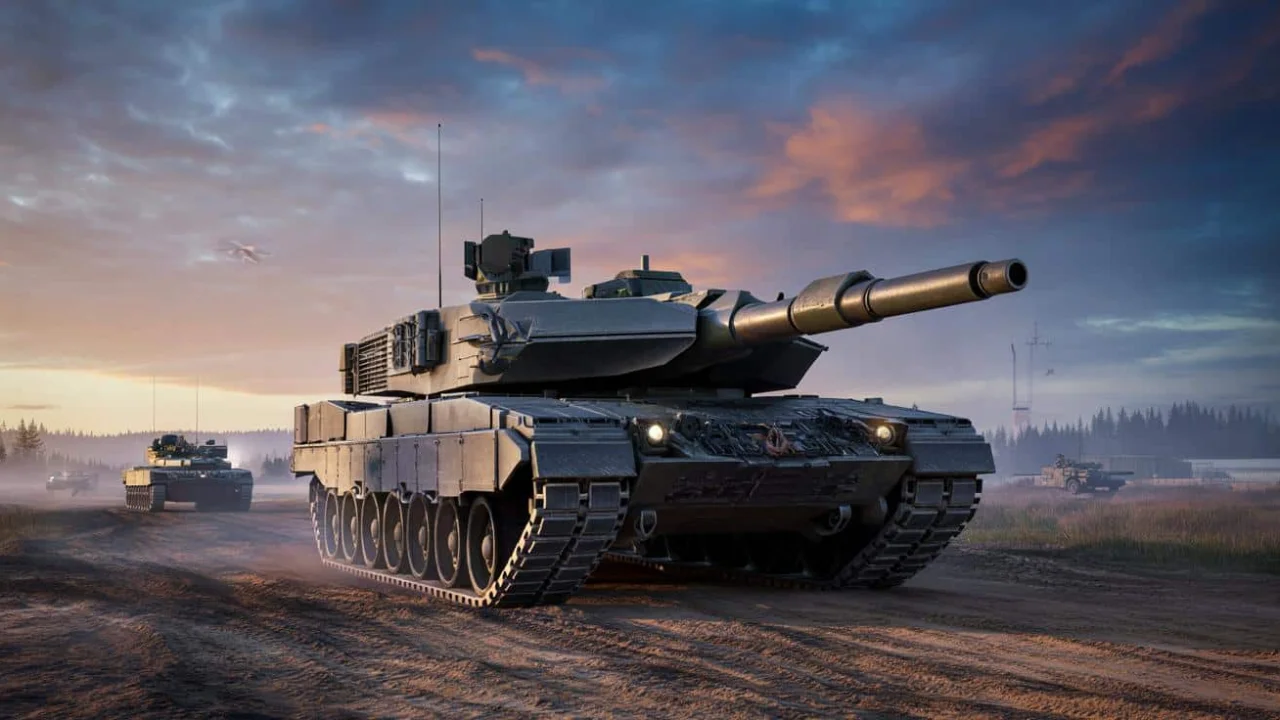
Picture this: You’re a tank mechanic working in a German factory, and your grandfather tells you stories about building Leopard tanks back when you were just a kid. Now, thirty-two years later, you’re holding blueprints for something he never got to see—a completely new Leopard rolling off production lines for the first time since 1992.
That’s exactly what’s happening right now at KNDS facilities across Germany. After three decades of upgrading old tanks, they’re finally building fresh ones again. And this isn’t just any tank—this is the Leopard 2A8, a machine that could reshape how Europe thinks about armored warfare.
The timing couldn’t be more significant. With Russia’s war in Ukraine showing the brutal reality of modern tank combat, European nations are scrambling to rebuild their armored forces. The Leopard 2A8 represents Germany’s answer to a simple but urgent question: what does a battle tank need to survive on tomorrow’s battlefield?
Why Building New Tanks Matters More Than Ever
For most people, the difference between upgrading an old tank and building a new one might seem trivial. But think of it like renovating your 1992 Honda versus buying a brand-new car with all the latest safety features built in from day one.
Germany’s KNDS group has revealed the Leopard 2A8 as their first completely new-build main battle tank since the early 1990s. Unlike previous Leopard variants that took existing vehicles and retrofitted them with new equipment, the 2A8 starts fresh—every bolt, every system, every piece of armor designed with modern warfare in mind.
“We’re not just slapping new gadgets onto an old chassis,” explains a senior KNDS engineer familiar with the project. “The 2A8 represents a fundamental shift in how we approach tank design for peer-level conflicts.”
The German Bundeswehr has committed to purchasing 123 Leopard 2A8 tanks, with deliveries scheduled to begin in 2027 and complete by 2030. This timeline gives Germany a clear roadmap for modernizing its armored forces while other NATO allies watch closely to see if they want to follow suit.
What Makes the Leopard 2A8 Different
The new tank packs several game-changing features that separate it from its predecessors. Here’s what makes this machine special:
- Active Protection System: Built-in defensive technology that can intercept incoming missiles and rockets before they hit the tank
- Enhanced Digital Systems: Advanced battlefield management and communication networks integrated from the ground up
- Improved Armor Package: New protective materials designed specifically for modern anti-tank weapons
- Upgraded Fire Control: Enhanced targeting systems that work better in urban and complex terrain
- Better Crew Survivability: Lessons learned from Ukraine incorporated into crew protection and escape systems
The active protection system deserves special attention. Think of it as an automated defense bubble around the tank that can detect, track, and destroy incoming threats in milliseconds. While some older Leopard tanks have been retrofitted with similar systems, the 2A8 builds this technology into its core design.
| Feature | Leopard 2A7 | Leopard 2A8 |
|---|---|---|
| Active Protection | Optional retrofit | Standard integration |
| Weight | ~62 tons | ~70 tons |
| Production Status | Upgrade program | New build |
| Digital Systems | Modernized legacy | Built-in from start |
| First Delivery | 2014 | 2027 (planned) |
“The difference between retrofitting old systems and building new ones is like the difference between renovating a house and constructing one with modern building codes,” notes a defense analyst who has studied European tank programs. “Everything works better when it’s designed together from the beginning.”
Real-World Impact: What This Means for Europe and Beyond
The Leopard 2A8 announcement sends ripples far beyond Germany’s borders. Several European nations operate Leopard tanks, and many are watching to see whether they should invest in new builds or continue with upgrade programs.
For Ukraine, this development brings both immediate and long-term implications. While the new tanks won’t arrive in time to affect the current conflict, they represent Europe’s commitment to maintaining a technological edge in armored warfare. Several Leopard 2 variants have already proven their worth in Ukrainian service, making the 2A8 a natural evolution.
NATO allies are paying close attention too. Countries like Poland, which operates hundreds of Leopard tanks, face decisions about whether to upgrade their existing fleets or invest in new-build vehicles. The 2A8’s performance and cost could influence armored vehicle procurement across the alliance.
“This isn’t just about one tank or one country,” explains a former NATO armor officer. “The Leopard 2A8 represents Europe’s vision for future ground combat, and that vision will influence military planning for the next two decades.”
The economic impact shouldn’t be overlooked either. Resuming full-scale tank production creates jobs, maintains industrial capabilities, and keeps European defense manufacturers competitive against rivals from other continents.
From a tactical perspective, the 2A8’s integrated systems approach could change how tank crews train and fight. Instead of learning separate systems that were added over time, crews will work with equipment designed to function as a unified whole.
The timing also reflects broader European defense spending trends. After years of reduced military budgets, the Ukraine war has prompted many European nations to increase defense investments. The Leopard 2A8 represents one of the most visible symbols of this renewed commitment to military preparedness.
Looking ahead, the success or failure of the 2A8 program could determine whether other European nations follow Germany’s lead in resuming new tank production, or whether they continue relying on upgrades to existing vehicles. For an industry that went decades without major new programs, the stakes couldn’t be higher.
FAQs
When will the first Leopard 2A8 tanks be delivered?
Deliveries are scheduled to begin in 2027, with all 123 tanks completed by 2030.
How is the Leopard 2A8 different from earlier Leopard tanks?
It’s the first completely new-build Leopard since 1992, featuring integrated active protection systems and modern digital architecture built in from the start.
Will other countries be able to buy the Leopard 2A8?
While Germany hasn’t announced export plans yet, previous Leopard variants have been widely exported to NATO allies and other partners.
How much does a Leopard 2A8 cost?
KNDS hasn’t released official pricing, but modern main battle tanks typically cost between $6-8 million per unit depending on configuration.
What makes the active protection system special?
Unlike retrofitted systems, the 2A8’s active protection is integrated into the tank’s core design, allowing better coordination with other defensive systems.
Could these tanks eventually go to Ukraine?
While nothing has been announced, previous Leopard variants have been provided to Ukraine, so future transfers remain possible depending on the conflict’s evolution.
About the Author