
The walls were a little scuffed where the sofa had rubbed. A picture hook still stuck out above the old TV corner, and the carpet by the balcony door had lost that brand-new fluff it once had. When Anna handed back her keys after three years in the same two-room flat, she honestly thought she’d done well: deep-cleaned the kitchen, scrubbed the bathroom, wiped every baseboard twice.

Her landlady did not agree.
There, in the living room with the curtains half open, the older woman unfolded a sheet of paper: charges for repainting all the walls, professional cleaning of the windows, and removal of “traces of wear”. The total almost swallowed Anna’s whole deposit. What started as a handover quickly turned into a landlord tenant dispute over what “normal living” looks like – and what a court would later call an impossible expectation.

When Reality Meets Unrealistic Expectations
The judge looked at the photos first: a slightly greyed hallway wall, a faint chair mark under a window, a small dent where a door handle had tapped the plaster one too many times. No graffiti, no holes from wild parties, no broken tiles. Just the slow, honest erosion of a place where someone had boiled pasta, worked late on the sofa, and fallen asleep with the light on.
That’s the quiet heart of this landlord tenant dispute. A landlady who wanted her flat back like a showroom, and a court that calmly replied: a home that’s been lived in will always show it.

“You can’t expect a tenant to return a property as if they were never there,” explained housing attorney Michael Roberts. “Normal wear and tear is part of renting. The law recognizes that people need to actually live in their homes.”
The court’s ruling sends a clear message to landlords across the country who might be tempted to use security deposits as renovation funds. Normal living leaves normal traces, and those traces don’t equal damage.
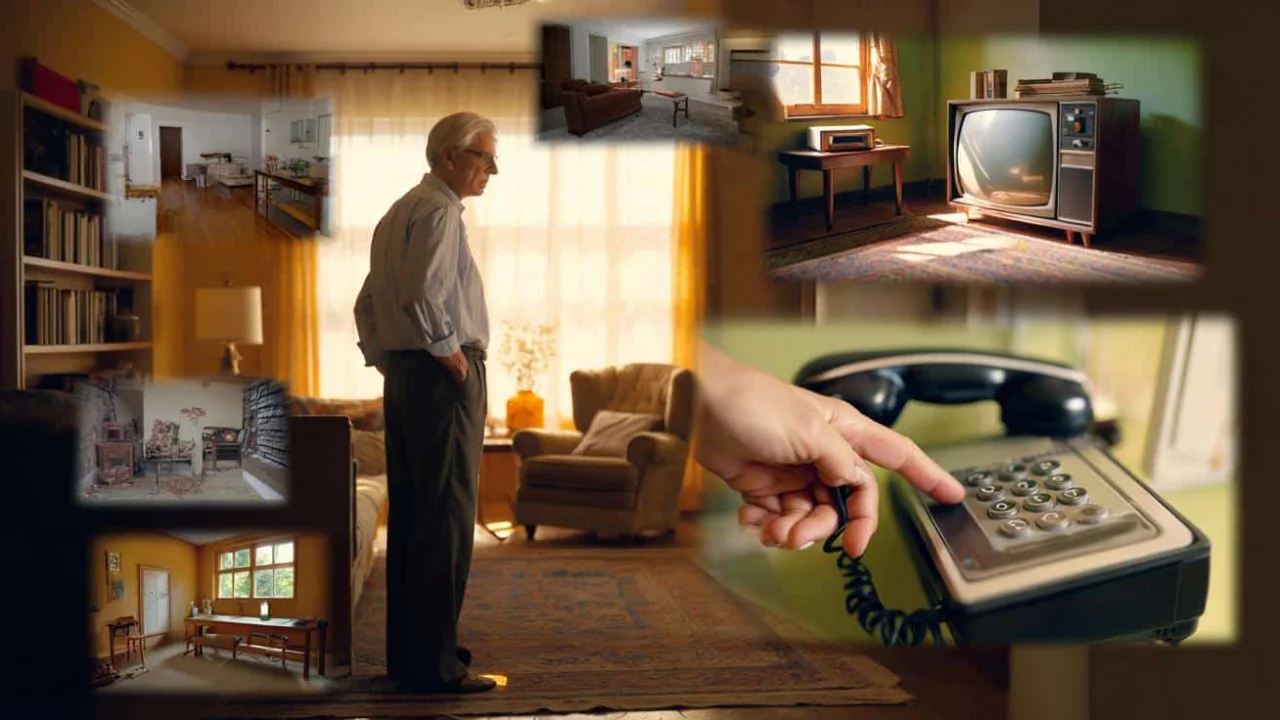
What Counts as Fair Wear vs. Actual Damage
This case highlights a fundamental misunderstanding many people have about rental properties. There’s a big difference between normal wear and tear and actual tenant damage. The court made this distinction crystal clear in their ruling.
Here’s what typically counts as normal wear and tear that tenants shouldn’t pay for:

- Faded paint after several years of occupancy
- Minor scuffs on walls from furniture placement
- Carpet wear in high-traffic areas
- Small nail holes from hanging pictures
- Natural settling cracks in walls
- Worn cabinet hardware from daily use
- Faucet mineral deposits from normal water use
Compare that to actual damage that tenants might be responsible for:
- Large holes punched in walls
- Crayon or marker drawings on surfaces
- Cigarette burns in carpet or counters
- Broken windows or appliances
- Excessive dirt requiring professional cleaning
- Pet damage beyond normal wear
“The key question is whether a reasonable person would expect this type of wear after normal use,” said tenant rights advocate Sarah Chen. “If the answer is yes, then the landlord can’t charge the tenant for it.”
| Issue | Normal Wear | Tenant Damage |
|---|---|---|
| Wall Paint | Fading, minor scuffs | Large stains, holes, crayon marks |
| Carpet | Traffic patterns, slight matting | Burns, pet stains, excessive soil |
| Hardware | Loose handles, minor scratches | Broken knobs, missing parts |
| Windows | Water spots, slight wear | Cracks, broken glass |
What This Means for Renters and Landlords
This ruling could reshape how landlord tenant disputes play out across the country. For renters, it’s validation that you shouldn’t have to pay to make an old apartment look brand new again. For landlords, it’s a reminder that rental properties are businesses with operating costs – including regular maintenance and updates.
The financial impact is real. Anna’s case involved nearly $2,000 in disputed charges, money that many tenants simply can’t afford to lose. When landlords demand payment for normal wear, they’re essentially asking tenants to subsidize property improvements that should come from rental income.
“This creates a terrible cycle where tenants are afraid to actually live in their homes,” notes property law expert James Miller. “They start avoiding using certain rooms or putting furniture against walls. That’s not sustainable or fair.”
The ripple effects extend beyond individual cases. When landlords consistently lose these disputes in court, it discourages frivolous claims and protects deposits for their intended purpose: covering actual damage, not routine maintenance.
For tenants facing similar situations, documentation becomes crucial. Take photos when you move in and when you move out. Keep records of your cleaning efforts and any maintenance issues reported to the landlord. This evidence can be invaluable if your landlord tenant dispute ends up in court.
Property managers are also taking notice. Smart landlords are already adjusting their expectations and focusing on legitimate damage rather than normal wear. This shift benefits everyone – tenants get fair treatment, and landlords avoid costly court battles they’re likely to lose.
The court’s language in Anna’s case was particularly pointed: expecting a home to look “as if no one had lived in it” after years of occupancy is fundamentally unreasonable. Homes are meant to be lived in, not preserved like museum exhibits.
“The ruling really comes down to common sense,” said housing counselor Maria Rodriguez. “If you rent out your property, you accept that people will use it normally. That means some wear over time, and that’s your cost of doing business, not your tenant’s responsibility.”
This case also highlights the importance of clear lease agreements. Landlords and tenants both benefit when expectations are spelled out upfront, including what constitutes normal wear versus damage that requires tenant payment.
FAQs
Can my landlord charge me for repainting after I move out?
Not if the paint is simply worn from normal use over time. Courts typically consider repainting after 2-3 years of tenancy to be normal maintenance.
What should I do if my landlord is demanding money for normal wear and tear?
Document the condition with photos, review your lease agreement, and consider disputing the charges through your local housing authority or small claims court.
How long should carpet last in a rental property?
Most courts consider carpet to have a useful life of 5-7 years with normal use. Landlords typically can’t charge tenants for carpet replacement within this timeframe unless there’s actual damage.
Are small nail holes considered damage?
No, small nail holes from hanging pictures are considered normal wear and tear. Landlords cannot charge tenants for these minor holes or the touch-up paint needed to cover them.
What’s the best way to avoid disputes when moving out?
Take detailed photos when moving in and out, clean thoroughly, document any pre-existing issues, and communicate with your landlord about the property’s condition before your lease ends.
Can a landlord keep my entire security deposit for cleaning?
Only if the property is excessively dirty beyond normal use. Standard cleaning like dust, soap scum, or food spills is considered normal wear that the landlord should handle.
About the Author
